In the aftermath of the Leave vote, the immediate issue is the weakening of sterling.
ADVERTISEMENT
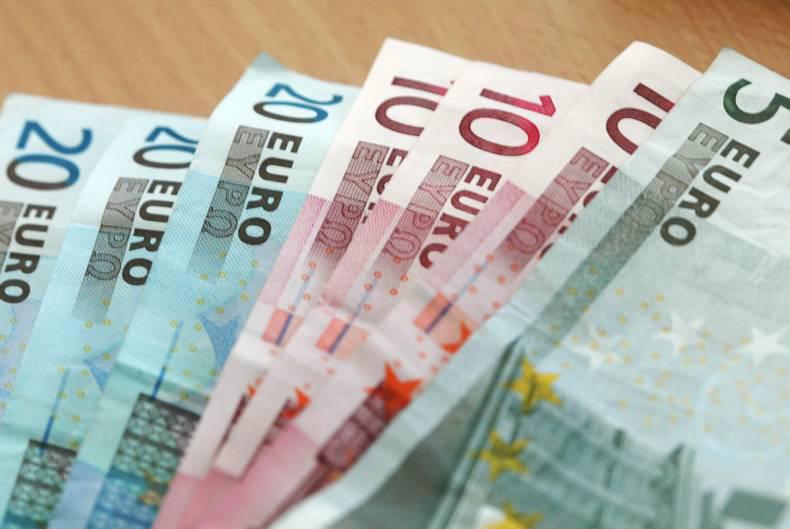
Sterling has weakened further against the euro this morning, now trading at a rate of 83p to €1. This puts further pressure on Irish sales to the UK, while the opposite applies in Northern Ireland with sales to the eurozone made easier as European buyers have more money to spend.
The implications of Brexit is the main topic of news discussion programmes today as the reality continues to sink in. For the Irish agri-food industry, there is also uncertainty, but it won’t be the end of the commercial world.
The immediate issue is the weakening of sterling. However, currency volatility is not new. In 2009, the rate of exchange reached 95p to €1 and, in the five years between 2009 and 2013, the euro traded at a rate of 85p to €1 for four of the five years. This period coincided with strengthening beef prices, though with general production costs increasing at the same time, not all of the gains went to farmer profitability.
ADVERTISEMENT
What this demonstrates is that while currency volatility is unwelcome for exporters, it is a business challenge that has been successfully managed in the past and, hopefully, can be managed again this summer.
This content is available to digital subscribers and loyalty code users only. Sign in to your account, use the code or subscribe to get unlimited access.
The reader loyalty code gives you full access to the site from when you enter it until the following Wednesday at 9pm. Find your unique code on the back page of Irish Country Living every week.
CODE ACCEPTED
You have full access to the site until next Wednesday at 9pm.
CODE NOT VALID
Please try again or contact support.
Sterling has weakened further against the euro this morning, now trading at a rate of 83p to €1. This puts further pressure on Irish sales to the UK, while the opposite applies in Northern Ireland with sales to the eurozone made easier as European buyers have more money to spend.
The implications of Brexit is the main topic of news discussion programmes today as the reality continues to sink in. For the Irish agri-food industry, there is also uncertainty, but it won’t be the end of the commercial world.
The immediate issue is the weakening of sterling. However, currency volatility is not new. In 2009, the rate of exchange reached 95p to €1 and, in the five years between 2009 and 2013, the euro traded at a rate of 85p to €1 for four of the five years. This period coincided with strengthening beef prices, though with general production costs increasing at the same time, not all of the gains went to farmer profitability.
What this demonstrates is that while currency volatility is unwelcome for exporters, it is a business challenge that has been successfully managed in the past and, hopefully, can be managed again this summer.
If you would like to speak to a member of our team, please call us on 01-4199525.
Link sent to your email address
We have sent an email to your address. Please click on the link in this email to reset your password. If you can't find it in your inbox, please check your spam folder. If you can't find the email, please call us on 01-4199525.
ENTER YOUR LOYALTY CODE:
The reader loyalty code gives you full access to the site from when you enter it until the following Wednesday at 9pm. Find your unique code on the back page of Irish Country Living every week.







SHARING OPTIONS