Half of farmers are planning to increase the number of suckler cows over the next two years. Findings from an Irish Farmers Journal survey conducted at BEEF 2016 concluded that 47.6% of farmers aim to increase suckler cow numbers, while 46.3% of farmers surveyed had no intentions of expanding and are planning to maintain current numbers of suckler cows.
Looking deeper into the findings of the 200-farmer survey, it is evident that young farmers are more ambitious for the future and are prepared to increase suckler cow numbers.
The survey showed that 60% of suckler farmers in the 20 to 40 age bracket have plans to increase cow numbers, whereas 48% of farmers in their 40s and 50s have intentions of increasing numbers.
Meanwhile, just 17% of farmers over the age of 60 confirmed that they plan to increase numbers in the future.
Even though farmers are planning to increase suckler cow numbers, the majority of farmers surveyed have expressed intentions to make cost savings on the farm this year.
Two-thirds of farmers (67.2%) are expecting to reduce costs and eliminate unnecessary expenditure on the farm this year. A further 8.2% will possibly make cost savings on the farm.
The ability of farmers to make cost savings is dependent upon the farm sector.
Some 71% of farmers managing suckler-to-beef systems are planning to reduce costs.
However, this figure can be compared with 69% of farmers selling weanlings, 64% of farmers involved in dairy-beef and 41% of farmers in weanling- or store-to-beef systems who all plan to make cost reductions.
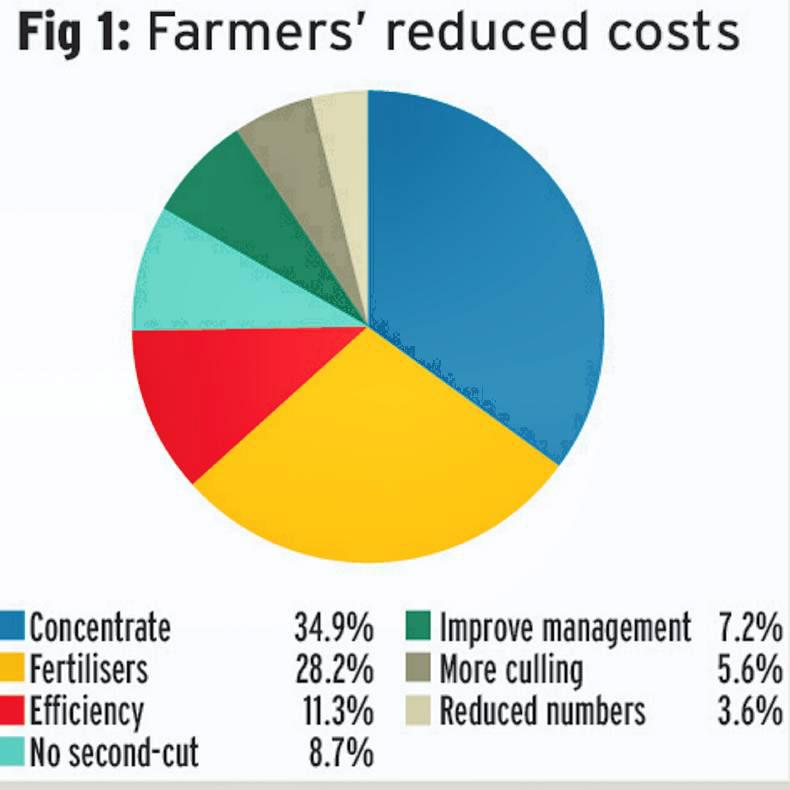
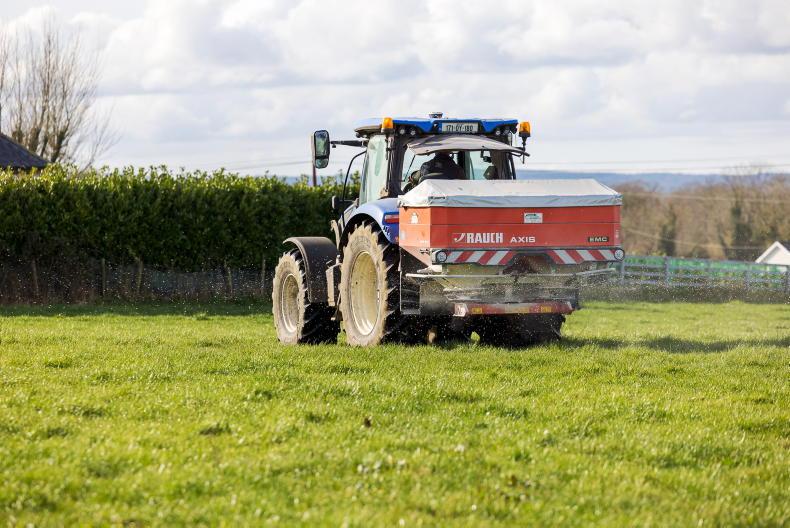
When asked about what areas of farm expenditure farmers are planning to reduce, a large proportion of farmers spoke about spreading less fertiliser and buying less concentrate feeding (Figure 1).
Half of farmers are planning to increase the number of suckler cows over the next two years. Findings from an Irish Farmers Journal survey conducted at BEEF 2016 concluded that 47.6% of farmers aim to increase suckler cow numbers, while 46.3% of farmers surveyed had no intentions of expanding and are planning to maintain current numbers of suckler cows.
Looking deeper into the findings of the 200-farmer survey, it is evident that young farmers are more ambitious for the future and are prepared to increase suckler cow numbers.
The survey showed that 60% of suckler farmers in the 20 to 40 age bracket have plans to increase cow numbers, whereas 48% of farmers in their 40s and 50s have intentions of increasing numbers.
Meanwhile, just 17% of farmers over the age of 60 confirmed that they plan to increase numbers in the future.
Even though farmers are planning to increase suckler cow numbers, the majority of farmers surveyed have expressed intentions to make cost savings on the farm this year.
Two-thirds of farmers (67.2%) are expecting to reduce costs and eliminate unnecessary expenditure on the farm this year. A further 8.2% will possibly make cost savings on the farm.
The ability of farmers to make cost savings is dependent upon the farm sector.
Some 71% of farmers managing suckler-to-beef systems are planning to reduce costs.
However, this figure can be compared with 69% of farmers selling weanlings, 64% of farmers involved in dairy-beef and 41% of farmers in weanling- or store-to-beef systems who all plan to make cost reductions.
When asked about what areas of farm expenditure farmers are planning to reduce, a large proportion of farmers spoke about spreading less fertiliser and buying less concentrate feeding (Figure 1).






SHARING OPTIONS