


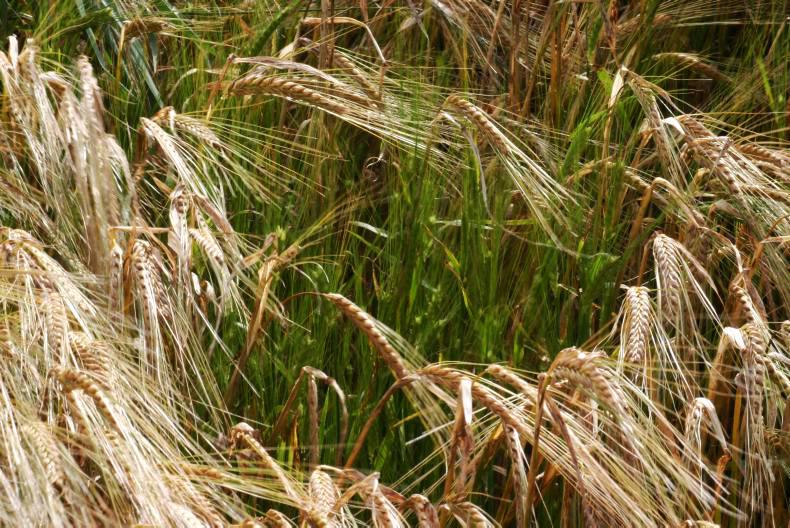
With the harvest now under way in most counties, early indications suggest that we do not have a bumper in store to compensate for the price pressure.
Many early winter barley crops have come up short in terms of yield, quality and straw volumes. Perhaps the situation will be better in areas where harvest will be a bit later – only time will tell.
Poor grain fill appears to be central to the evolving story. The heat in May may have added too much acceleration to the development of the crop, leaving it short on grain fill.
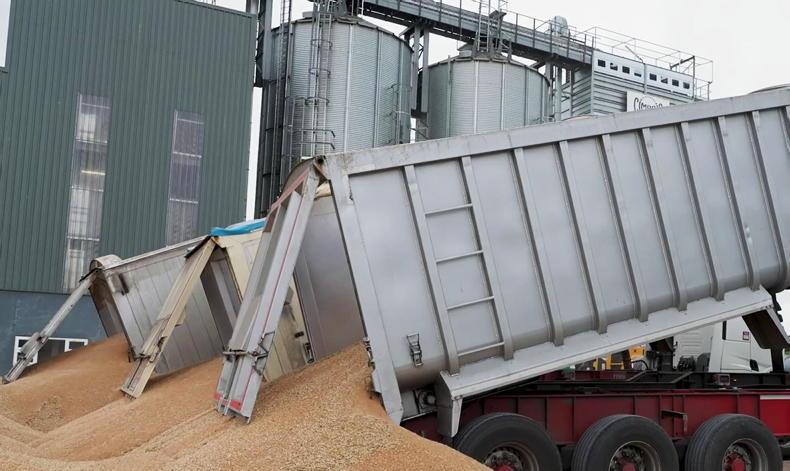
Specific weights that are mainly in the 60-64 KPH range indicate why 14t trailers are only weighing in above 11t. It seems that yield levels so far are more often than not closer to 3t than 4t/acre.
And while many growers were ‘happy’ with the general appearance of their crops three weeks ago, straw bulk would appear to be down also, by as much as 25% to 30% in some instances.
Reports may improve, but this story represents findings from growers who felt they were cutting good crops and disappointment is a common sentiment. Whether these comments are indications of the winter barley crop or the harvest as a whole remains to be seen.
That said, the overall potential of other cereal crops also looks to have been adversely affected by the weather of recent weeks.
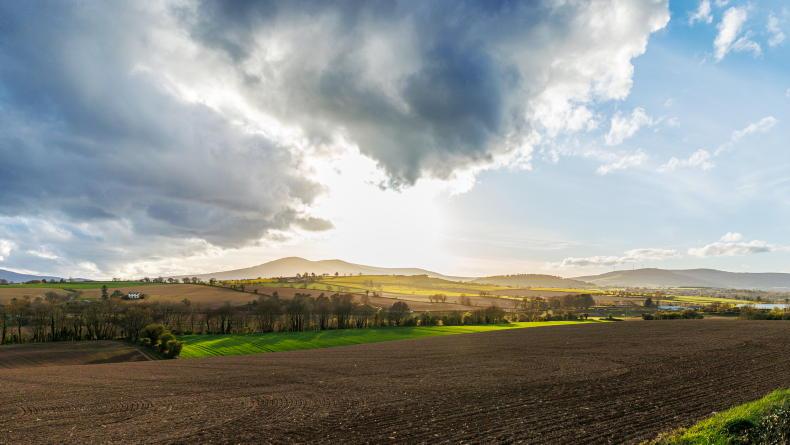
Driving down through the southeast last weekend, the consequences of the May heat and drought were all too clear to be seen.
Very many fields had bleached patches where a portion of the crop died off early on light patches of soil.
While there was probably not much more than 10% of the area of any field visibly affected, it seems likely that areas on the periphery of patches may also be affected, even if less visibly so.
But in some fields where plants were badly affected, it is now obvious that some of those plants are showing signs of secondary growth, with green tillers now present.
While these are very unlikely to contribute to yield, they could impact negatively on grain quality as green grains, especially for malting.
Crops are generally clean, but trial sites show how rhyncho, net blotch and brown rust can take hold where crops were not protected.
And in some of the crops I walked into, I wondered if a second fungicide had been applied, or perhaps been applied too late, as there was quite an amount of spotting now present on leaves and this will be ramularia. This is perhaps somewhat more obvious in some of the later-developing crops.
One of the most obvious characteristics about spring barley crops all through Wexford was the low number that showed problems with either weeds or grass weeds. There were a few, with poppy being the most obvious offender, and wild oats being the major grass.
And it would seem like some of the worst wild oat problems could well be surviving tillers following a previous herbicide application.
Most spring barley crops look good, with some definite exceptions. But they might also deceive to flatter and promise more than they actually deliver. But such opinions remain merely that until the crop goes over the weighbridge.
Winter barley
There is an amount of winter barley in Wexford, but a minuscule amount in comparison with the spring crop. I saw no barley cut at the end of last week, but I did see one combine pulling into a field north of Enniscorthy.
Many others have begun cutting since then, but the majority of crops may not be ready until later this week. This might be taken as a good omen, because elsewhere in the country crops appeared to have come in very quickly, indicating that they were easy to dry down and hinting at smaller grains.
There was a bit of lodging evident in crops, but most of it was overlaps, under trees, etc. But there was also quite a bit of brackling evident, even before crops were ready for harvesting.
It is interesting to note the influence of applied potash on the onset and predominance of brackling in the work that Mark Plunkett of Teagasc is doing currently.
Basically 0kg K/ha has bad brackling while 120kg K/ha had none yet. Interesting!
Beans
The other crop that has become obvious in recent years is spring beans. There were quite a few crops evident as I drove around and all looked quite good. Beans like frequent moisture and these crops had a big volume of foliage with lots of pods present.
There were weeds present in many crops, but these have been suppressed by the crop canopy thus far. There was a little chocolate spot present, but not bad so far. Downey mildew appeared to be much more prevalent in crops around the country.




SHARING OPTIONS