


You’ve just finished college. After four years of lectures, labs, late nights and too many cans of baked beans, you’ve somehow come out the other end with a degree in hand. Well done you! So what’s next?
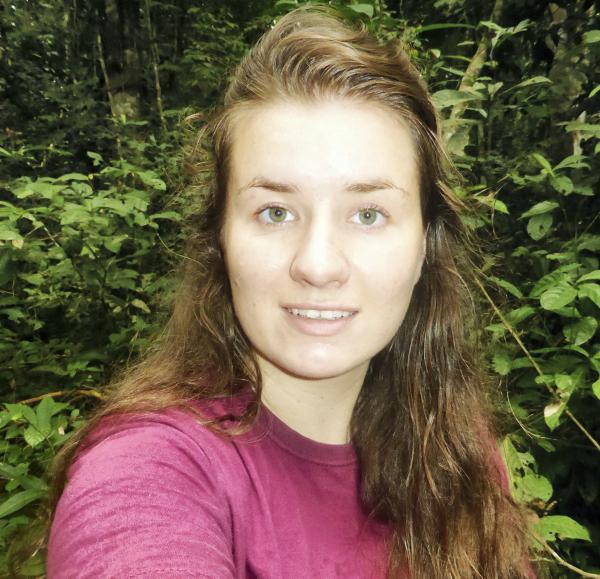
Like many graduates, I found myself facing this question when I completed my Zoology degree at Trinity College last May. I felt lost in limbo: no longer a student but not quite ready to get a ‘proper job’. Even if I had wanted a job, openings for recently graduated zoologists were thin on the ground. The alternative of returning home to live with my parents on their farm outside Mullingar did not appeal to me either, lovely and all as they are. I was a 22-year-old facing the inevitable Catch-22.
So when I saw an advertisement online for a year-long field assistant position in the central African rainforest with the chance to see some ‘really awesome animals in their natural habit’ I was instantly intrigued. Unfortunately, the successful applicant would not be paid but all expenses would be covered. I had nothing to lose so I applied and somehow got the (not-a-proper) job. Within two weeks of being offered the position I was saying goodbye to my family at Dublin Airport and heading to Gabon, a country nestled into the armpit of Africa. I didn’t have the faintest clue of what I was getting myself into, but I was excited to find out.
It didn’t take me long to realise that I had made a good decision coming here. When I peered out the plane window and saw a sea of green underneath, a tropical forest which stretched as far as the eye could see, I knew I was in for an adventure.
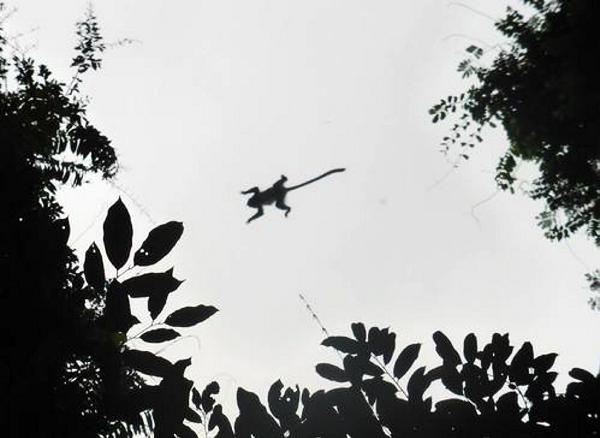
The project I’m working on asseses the impact of hunting and logging on the animal communities in the forest with the hope of working towards their conservation. This is done by comparing the density of animals in disturbed forest, where hunting and logging occur with that of pristine forest, within the protective boundaries of the Ivindo National Park. My role as part of the research team is basically to count the number of animals I see on routine hikes along pre-cut tracks called transects. It’s a zoologist’s dream!
A regular day for me goes something like this. I wake up at 5a.m., eat some porridge that has been warmed over the campfire and then pack-up my tent. I start walking the transect, which is 2.5km in length, at around 7a.m. and I record all the animals I see. I take two guides with me while doing this who are usually local village men who know the forest very well. When I’ve finished walking the transect I then hike to the next camp, set up my tent, cook my dinner over the campfire and settle in for the night.
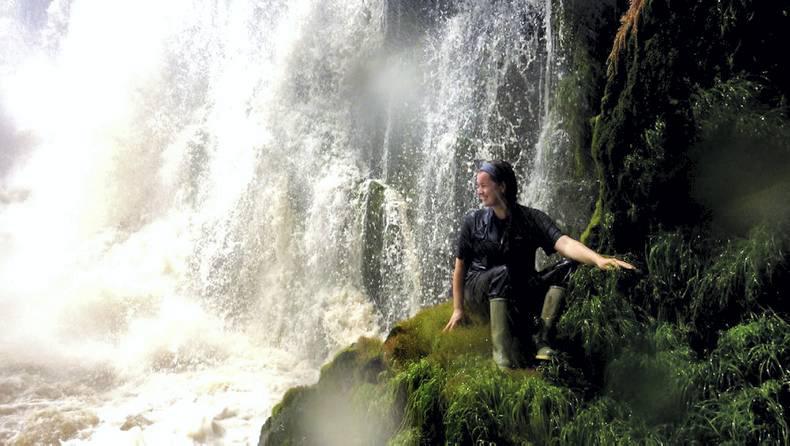
However, it’s no walk in the park. It literally is a jungle out here; complete with charging elephants, territorial gorillas, hungry leopards, venomous snakes, spiders the size of your fist and ants capable of drawing blood. I spend many nights sleeping under the forest canopy with nothing separating me from these beasts except the thin lining of my tent. That’s all part of the thrill of it though: the thrill of being completely and utterly immersed in nature, a wonderful combination of vulnerability and tranquility. Growing up on a farm instilled in me a great love of the outdoors and a sense of adventure. Here in Africa I get to take these values to new extremes.
A lot of my friends and family think I’m crazy coming here. Perhaps I am a bit! However, I’m a strong believer in the phrase ‘what’s for you won’t pass you’ and for some reason fate has brought me to this place. Sitting here on the forest floor beside the flickering flames of the fire, miles away from any sort of civilization with only the gentle hum of insects to interrupt the silence, I’m very glad it did.




SHARING OPTIONS