



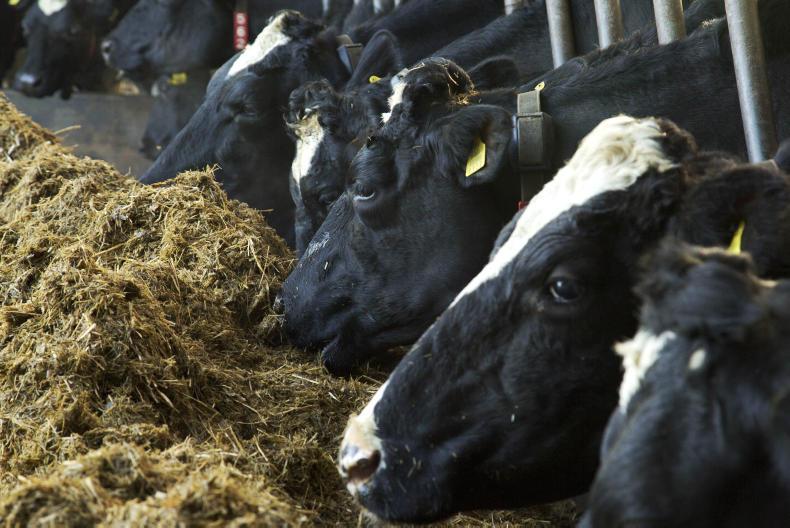
Dairy farmers should be aware that there is an elevated risk of mycotoxins in grass silage and in total mixed rations this winter, says Alltech. The company said that 100% of the grass silage samples from Ireland and the UK that it tested contained Penicillium mycotoxins and therefore is categorised as high risk. Lower percentages of the samples also contained other mycotoxins including type B tricothecenes, fusaric acid and aflatoxin B1. There was similarly high risk of mycotoxins in total mixed ration samples from Denmark, France, Italy, Germany and Spain.
“Penicillium mycotoxins are widely known as storage mycotoxins, as they grow after harvest,” said Dr. Alexandra Weaver, technical specialist for the Alltech Mycotoxin Management programme. “Recent mild weather conditions and increased rainfall in Europe have provided the perfect growing conditions for moulds in both field and storage conditions, which increases the risk for multiple mycotoxins.”
If left unchecked and uncontrolled, contamination even at low levels can result in the loss of production over time, said Weaver. He recommended that dairy farmers should observe their herd for poor feed intake, reproductive disorders, laminitis, mastitis and poor responses to vaccination programmes, which can all be attributed to ingesting mycotoxin-contaminated feed. Penicillium mycotoxins can have strong impacts on rumen functions. Producers may notice inconsistent manure, low milk production or altered milk quality.
The Alltech mycotoxin analysis programme can detect the presence of mycotoxins in feed, provide a risk assessment of the threat to animals as well as tailored recommendations.




SHARING OPTIONS