


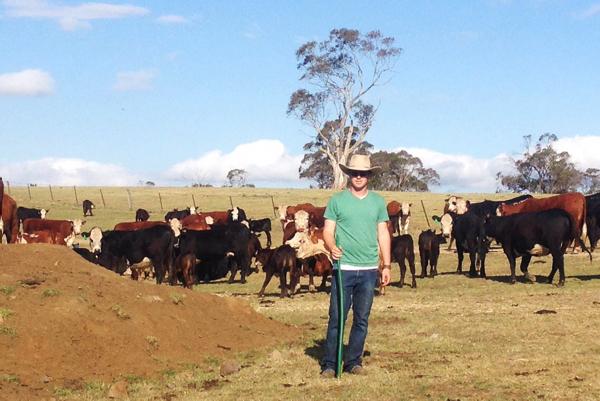
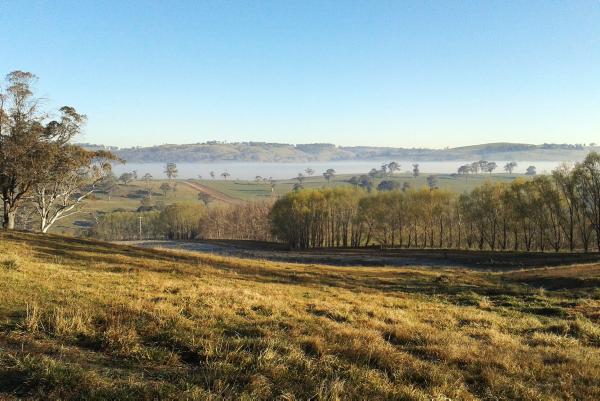
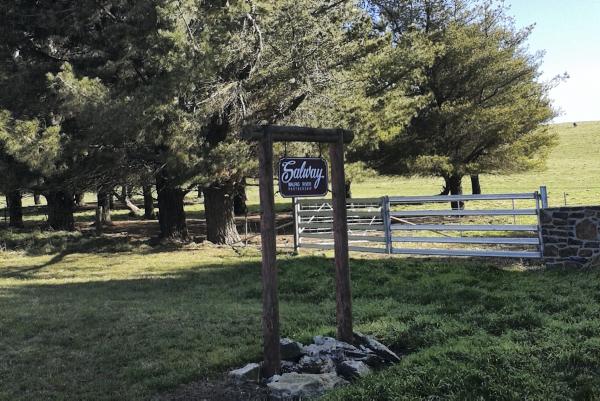
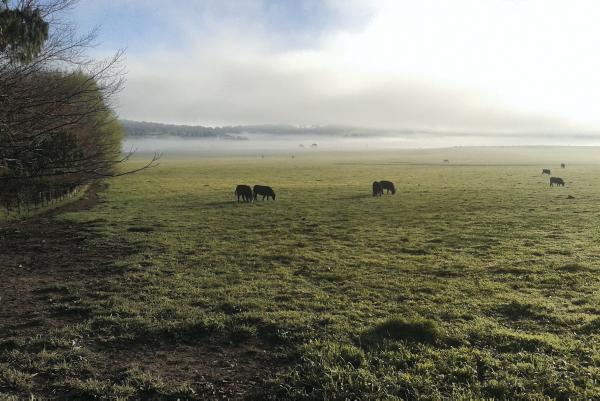
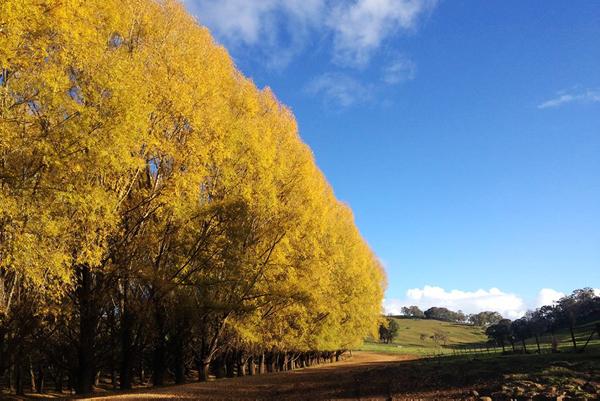
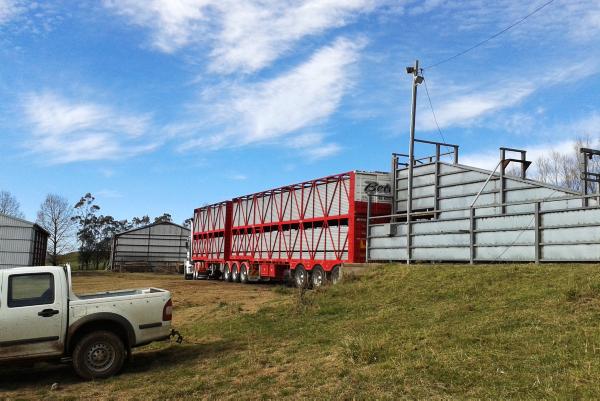
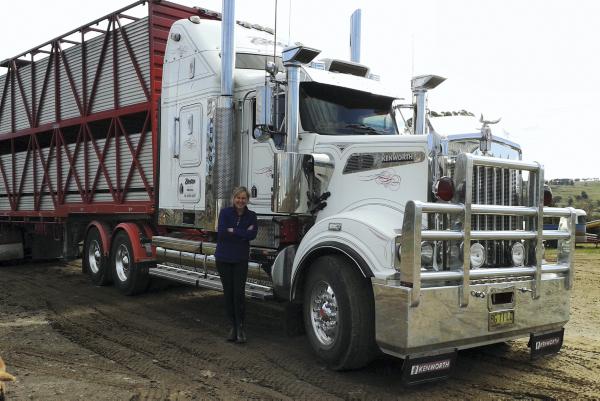



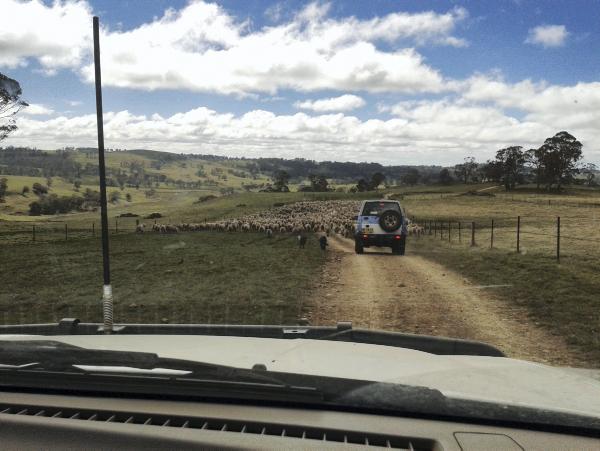
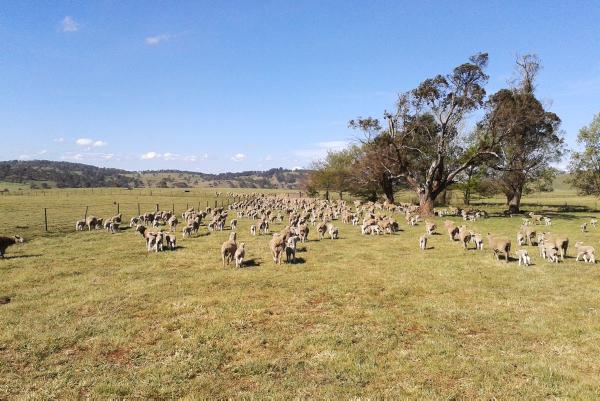
When we first arrived on the Salway farm just outside Walcha in New South Wales, Australia, I had minimal previous farm experience save for driving the odd tractor and pulling a calf out of a bog in West Cork. So a 5,000 acre dry stock cattle and sheep farm was really the deep end for me.
Robert (34), Anna (30), Olivia (2) and Sophie Mulligan (3 months) welcomed us onto their farm and into their lives with open arms and they have treated us so well since we arrived to do our three months regional work.
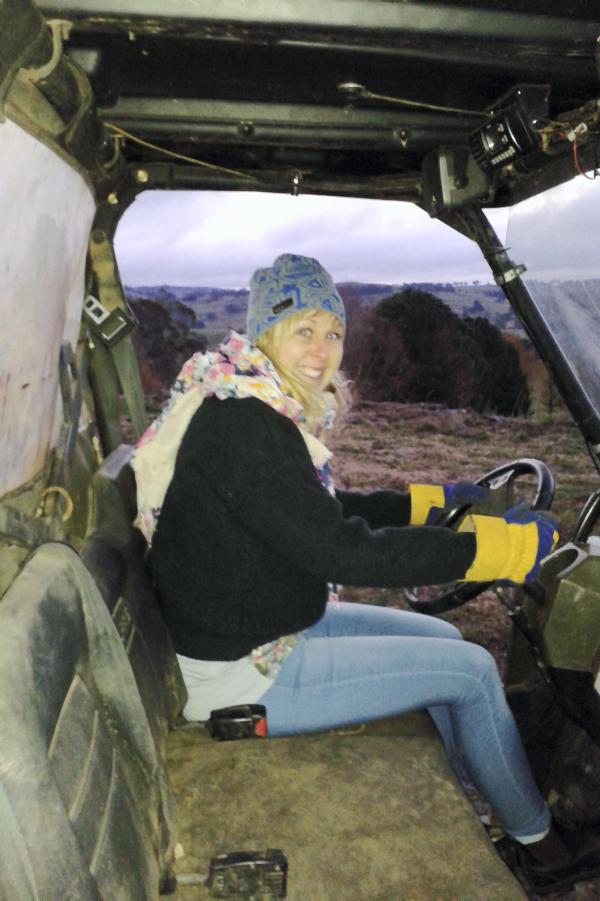
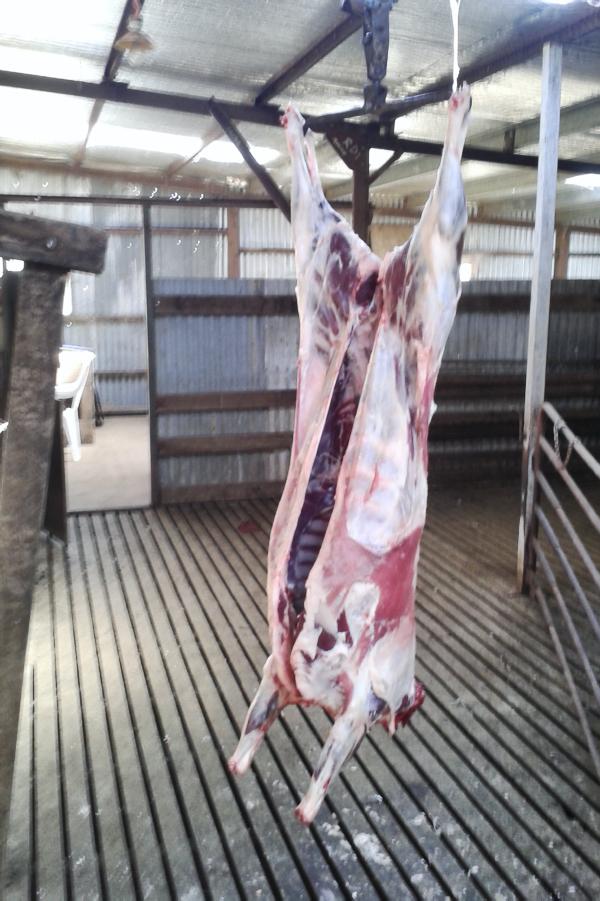
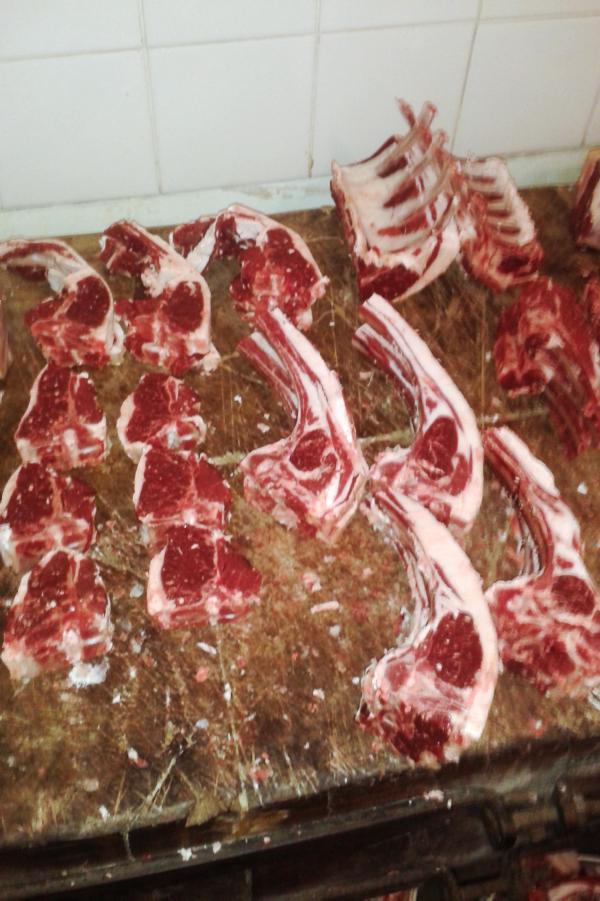
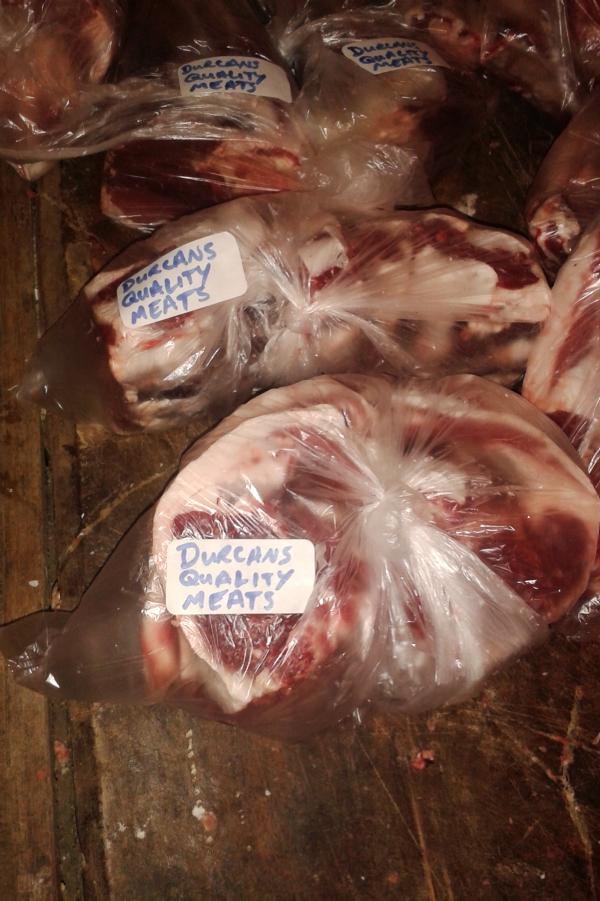
Myself and my girlfriend Breeda have been given our own cottage with free electricity and are on a small, but comfortable weekly wage. We are given a lamb every few months and some basic groceries every week or so.
Being 40km from the nearest village is pretty remote but it is a blessing that the family is so young and that they are both well travelled and have similar interests to us. Both Anna and Breeda are nurses and myself and Rob tend to agree that a couple of beers after a long hot day mustering cattle is a nice way to unwind.
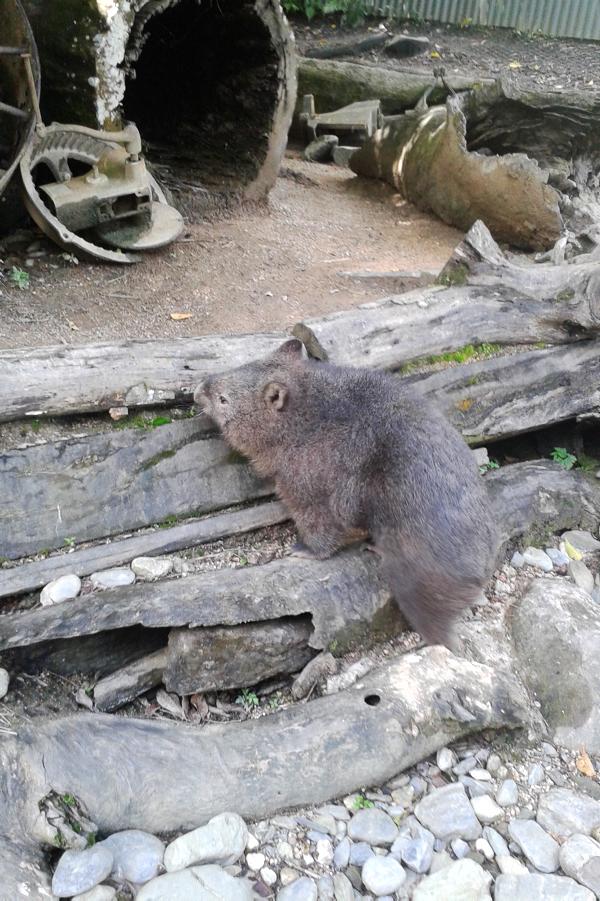
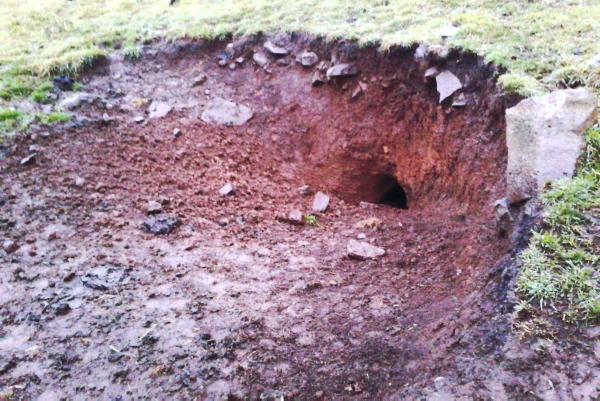
On our first day we were taken for a spin out to the back of the 5,000 acres to the more remote parts of the farm which borders a forest that runs around 200km to the coast where we saw wild wombats, wallabies and kangaroos!
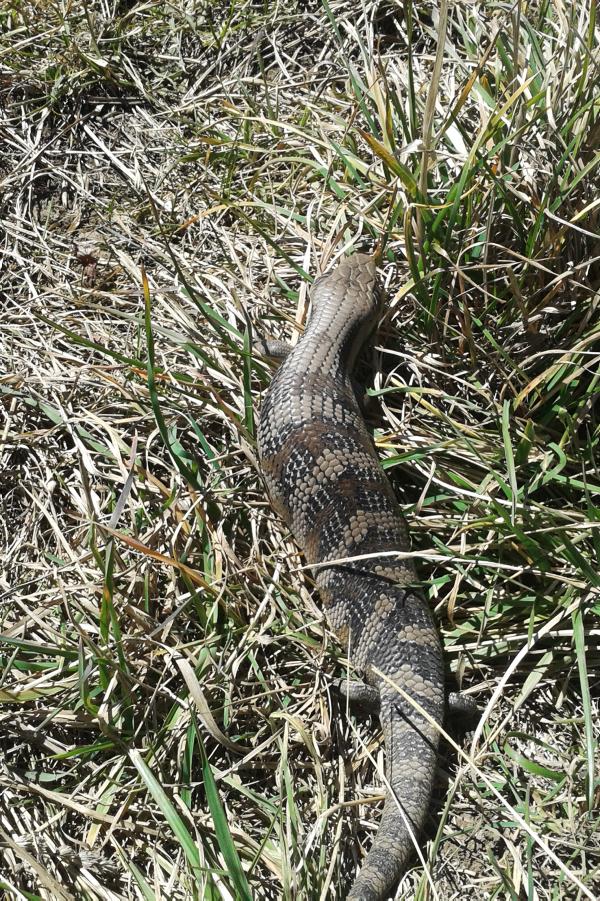
Since being here we have seen wild pig rippings, two gigantic wedge tailed eagles, an echidna, a tiger snake, three or four black snakes just around the houses, blue-tongued lizards and many different and colourful types of birds.
Cowboys Ted!
Alec (65) and Rosco (52) are the two other workers on the Mulligan farm, other than Robert's father Fred. Alec has a cattle whip on his vehicle while both Rosco and Rob have a rifle in their vehicles.
Rob is actually the owner of roughly 14 different rifles and shotguns (the majority of which are safely locked away), enough to defend the Alamo! They need the guns for when the rabbits or kangaroos overrun some paddocks in massive numbers which I have seen first hand or when wild pigs and dogs chase after calves.
Work
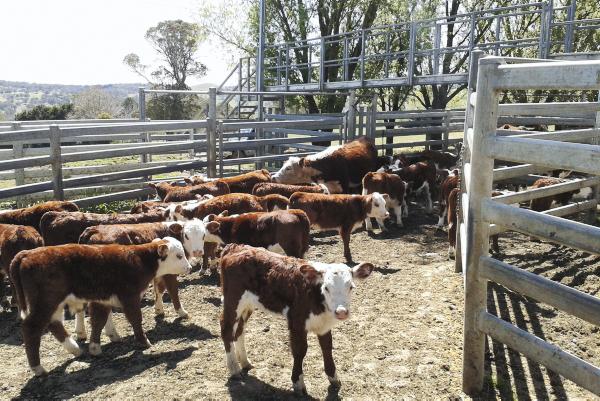
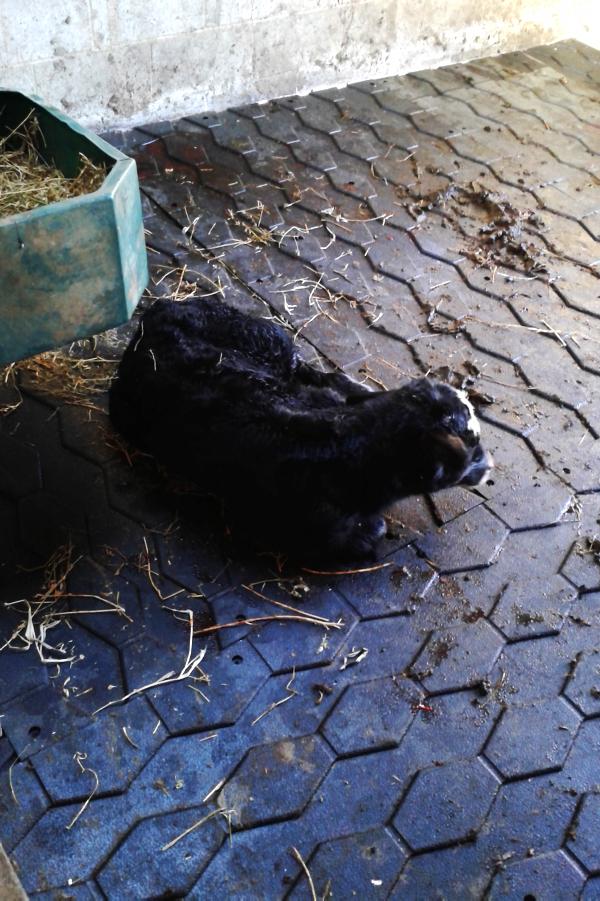
My first main job since arriving on the farm was watching over and delivering the heifer calves if they were having any trouble. With roughly 10% needing to be pulled, that was about 34 calves that I would have to pull.
There had been Angus bulls put over this lot of hereford heifers. After being shown how to do one, I was away checking three times a day for water bags, hooves and generally heifers raising their tails or blatantly seeking solitude.
I have to say that when i graduated with a degree in structural engineering I never imagined myself getting elbow deep in a heifer delivering a calf. However, I have gotten used to it and I have gotten good at it.
After pulling 43 calves, the heifers were all done with their troubles and calving was finished.
Sheep
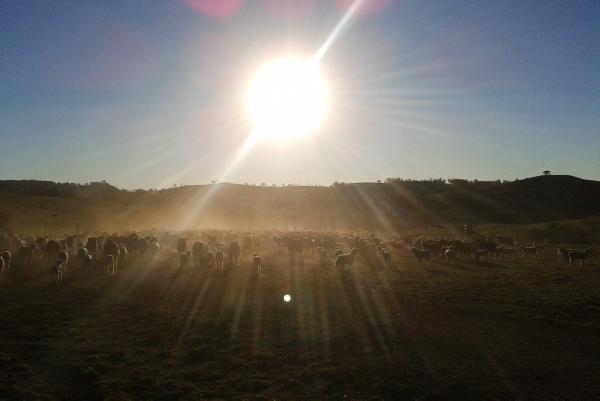
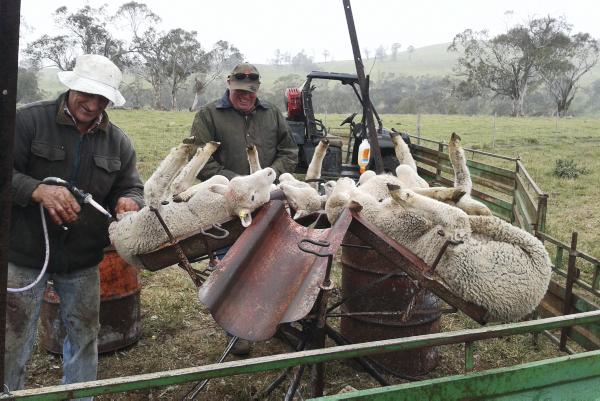
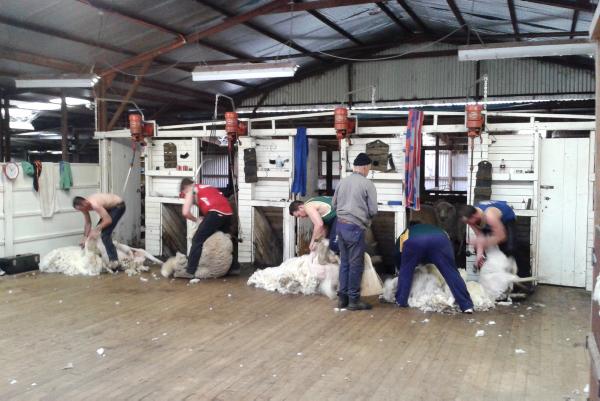
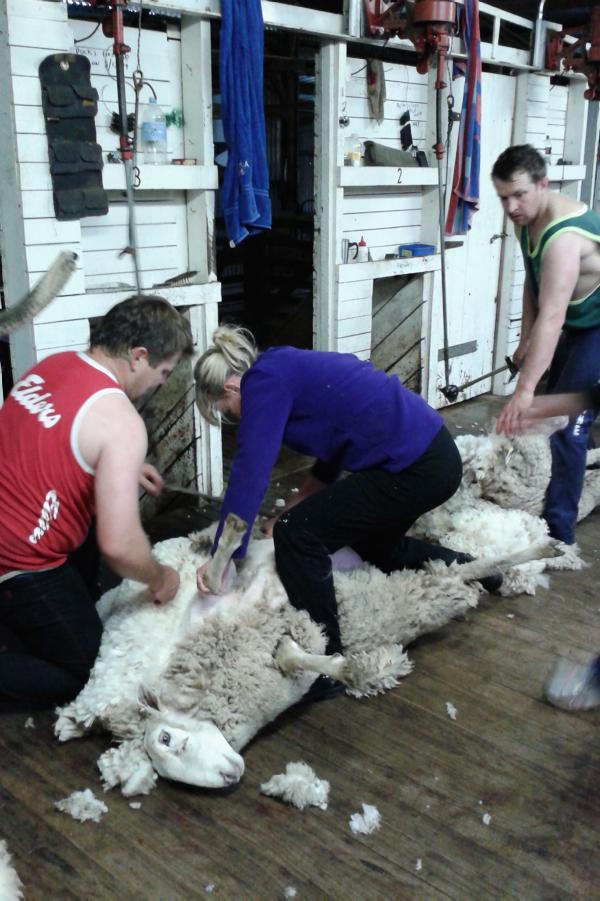
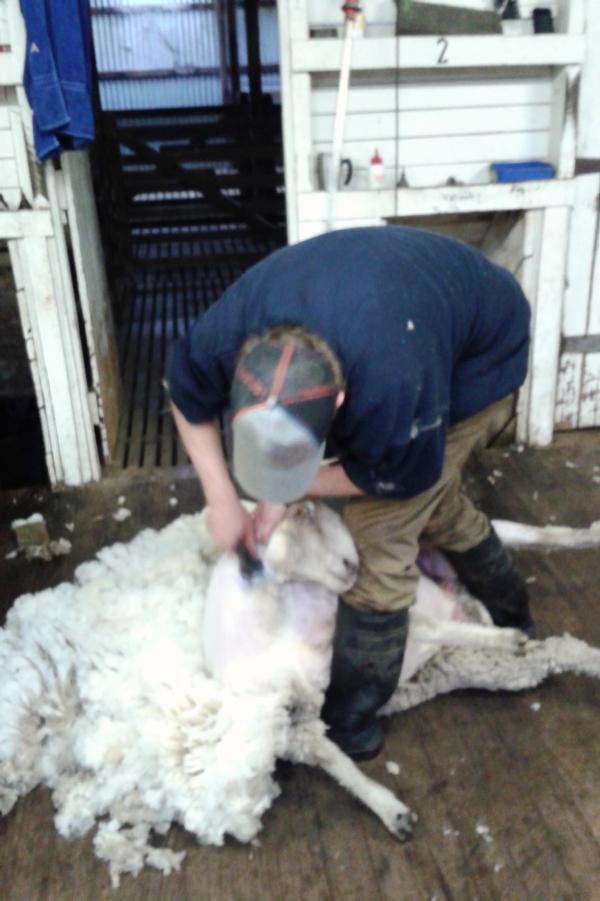
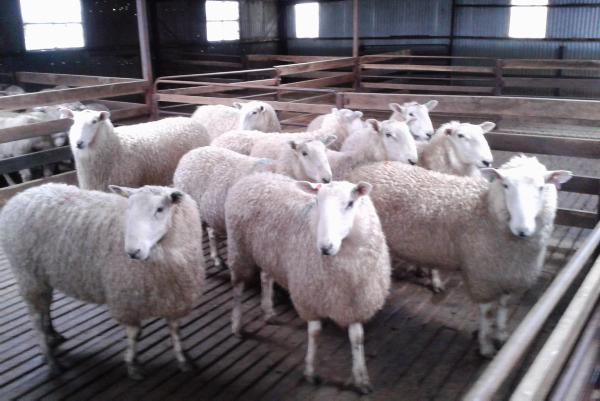
Last week was lamb marking and my only previous experience of sheep to date had been bottle feeding a lamb once a year as a child from my granddad’s flock of 85 sheep. Every year he told us that the lamb was just sent back to the farm after a short stay at his house, although seeing as his four children all received a quarter of a lamb for Christmas every year, I can't help but being a little sceptical.
So when i was told that we had over 2,000 lambs to mark I was a little daunted but having just finished marking them this week, it was really a mind blowing experience for me how it all works.
Lifting the lambs into a cradle, ear marking, vaccinating, antiseptic marking rings on their tails and testicles, tag in the opposite ear, then off with the tail and finally a spray of an anaesthetic fly repellent...and repeat 1,999 times.
Experience
With almost five months done and I'm still loving it. The Mulligan family would love us to stay for the next ten years as we have become part of their farm, but I need to get back to being an engineer sometime soon. I would strongly recommend this to anyone looking for a bit of exciting outdoor work and a great farming experience.
*Grahame Durcan is originally from Passage West in Cork and his partner Breeda Lane is from Carrigrohane, Cork. Grahame qualified in structural engineer in CIT in 2010 and Breeda qualified in nursing in the same year in UCC. The requirement to attain a second year visa is three months regional work, but Grahame and Breeda liked it so much, they are doing six months. They found their host family on Gurmtree.
The farmer that the are working with is now on McDonalds TV ad being shown across Australia. You can watch the video here: here.


SHARING OPTIONS