


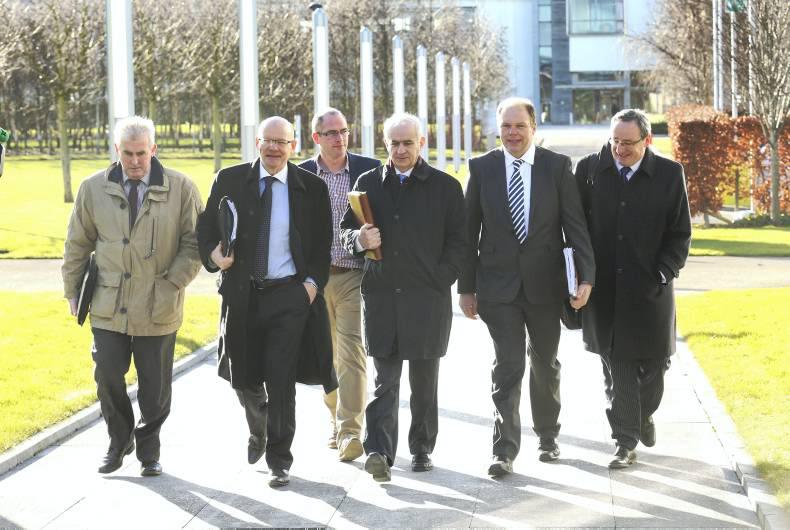
Over the past three weeks we have spoken with representatives of the farmers, factories and Bord Bia. Of these parties, Bord Bia is in the middle, moving on with the tasks allocated to it which in time it will complete and deliver to the parties.
It is clear that so far there hasn’t been a meeting of minds, with IFA robustly acting as an advocate for its members and the factories focusing on what they see as wrong with the beef presented to them.
Ryanair
When prices are stable or on an upward curve this isn’t particularly a problem, both parties just get on with what they do. It is obvious that, short of sustained price rises, processors will struggle to earn the confidence of farmer suppliers and there is a general feeling that they have the old Ryanair approach to business – do what they do and the relationship is simply a take it or leave it one.
In fact, our meat processors have much more in common with Ryanair – building hugely efficient and successful businesses contributing greatly to the economy but still being widely disliked.
Perhaps the answer can be found in continuing with the Ryanair comparison. After many years of showing little regard for its customers, the company has in recent times adopted a much more consumer-friendly approach.
If Michael O’Leary, the most successful and ruthless of businessmen, can change without compromising the company, so too can our meat plant operators.
One of the great problems in the relationship between suppliers and factories is the lack of knowledge and understanding about what happens to the product after the animal goes through the factory gate. With many of the factories being privately owned, there is no obligation to publish financial information, nor divulge their marketing strategies.
This contrasts with the milk sector, where many of the dairies are co-ops with farmers as shareholders. Consequently, farmers feel a better sense of ownership and involvement. Thus, at a time of price falls as milk has experienced in recent times, a farmer’s understanding of the reasons why is much better.
Having representatives on the board gives a sense of belonging while the amount of information about milk and dairy products in the public domain greatly exceeds that available for beef.
Factories are seen by many farmers to be in collaboration with equally big anonymous supermarkets, all contriving to conspire against their farmer suppliers. However, while many ridicule the large company, they often have a high regard for the local factory agent or buyer they deal with on a personal basis.
This dynamic gives factories the perception that they are managing the relationship with farmers well. The comment will often be made by factories around farmers killing cattle that they understand the issues well – often people who agitate the most are those least likely to bring cattle to the factory.
Knowledge
Returning to the experience of the dairy industry, if Bord Bia can succeed in developing a comprehensive picture of beef markets, it will contribute to an improvement of knowledge and understanding. It may never achieve the insights of the global milk and dairy products markets, but any understanding and knowledge is better than none. Good and prompt information is available on an EU-wide basis for farmgate cattle prices but there is an absence of information on beef cuts.
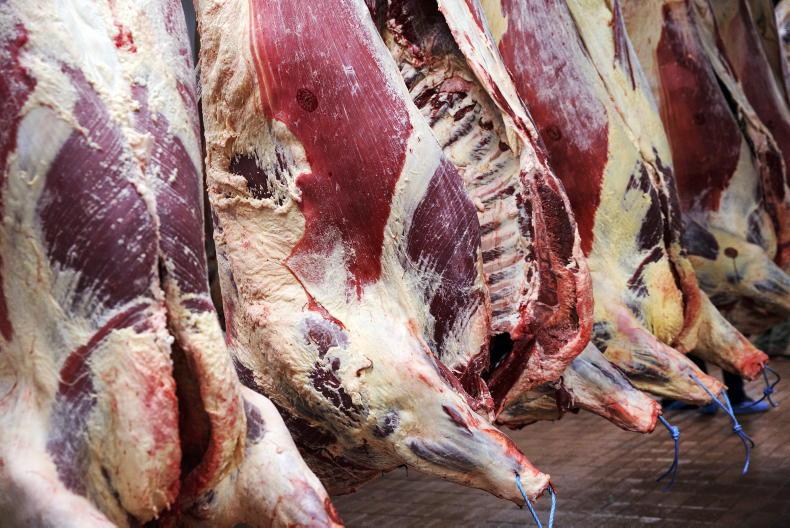
Given where farmers in particular are coming from, building confidence in meat factories won’t be a simple overnight solution. If progress can be achieved it will be by small, incremental steps. One area that lends itself to immediate attention is the scrutiny of grading and trim in the factory.
This was an area identified in the November Forum discussions. The Minister has recently announced additions to the monitoring staff dedicated to scrutinising trim and machine performance in factories.
In Northern Ireland, in addition to a scrutiny programme that far exceeds the statutory requirement, frequency of inspection is determined by level of compliance found at the last visit. The risk-based approach prioritises inspections where they are most needed and those that consistently don’t have issues are less visited. Results of performance of the VIA machine against the expert graders and standard of carcase dressing are published on the internet every two months, though the factories aren’t individually identified.
Specifications
Specifications are another area where farmer and factory representatives are on a different page, with factories saying specification compliance is a must to get into top-paying markets, while there is widespread farmer belief they are a reason to cut prices.
Again, this is where independent scrutiny can help and would require a new level of openness and transparency by factories. Factories guard jealously all information relating to prices achieved in their sales and commercial relationships with customers. If they were prepared to allow an independent view, say by Bord Bia, then the requirement of some customers for tighter specification on issues like weight, age, number of residencies, etc, could be established. And, importantly, it could be determined how much extra is paid by such customers for the beef.
If this were to happen, we would then be in a position to make an informed decision on the importance of specification compliance.
The Irish Farmers Journal will attempt to give some indications on the value of specification in the coming weeks, but to achieve a definitive answer, a comprehensive industry-wide study is required.
We could also combine our efforts to challenge the more outrageous issues around specification. One such example is how the supermarkets in the UK have used beef labelling legislation to effectively exclude beef from cattle bought by Northern Ireland buyers and taken from here into their jurisdiction for finishing. These cattle cannot be described as either British or Irish under beef labelling legislation and supermarkets have been unwilling to carry a third range to accommodate what has come to be described as “Nomad” beef. This is an example of where EU legislation contrives to prevent trade; the complete opposite of everything the union is supposed to be about.
Building relationships
The role of the Forum itself will be central in shaping the future relationship between farmer suppliers and factories. It allows a sharing of knowledge and building of relationships that can hopefully prevent frustration building to the level it did last year. It can enable all the players in the industry to develop an understanding of what best-paying markets need and how we deliver that in the way that minimises difficulties for farmers.
The IFA view of the importance of live exports is recognised as an essential option, yet the more cattle we can process in Ireland, the greater contribution we make to the rural Irish economy. Confidence must be built, and there is no better vehicle for doing this than the Forum. Knowledge, information and understanding will be the elements that build confidence, but delivering these will require factories to go far beyond their legal requirement in providing information and farmers to go beyond their comfort zone in embracing change.



SHARING OPTIONS