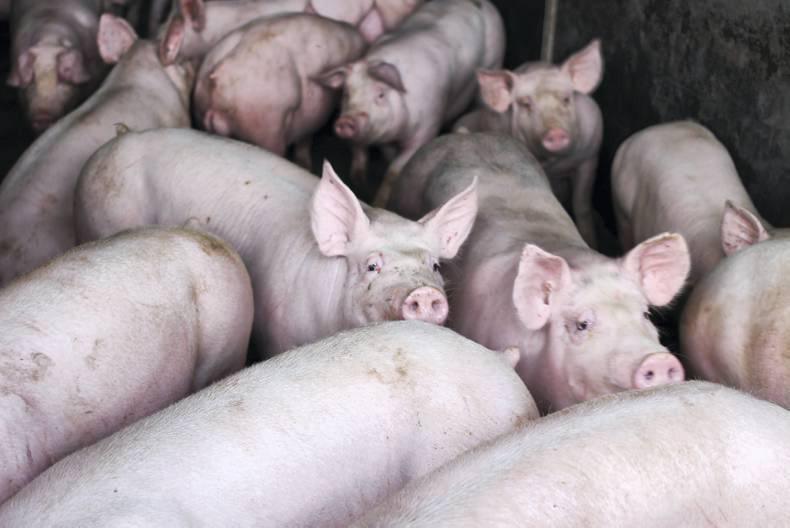
This time last year our pig industry was in meltdown, with prices averaging €1.33/kg in March 2016.
With just around 300 commercial pig farms operating here, there were simply no further efficiencies that would make the industry viable at this price.
Prices recovered just in time in the second half of 2016, and the most recent Bord Bia data shows prices at a healthy €1.63/kg at the beginning of March 2017. Farmers were receiving as much as €1.72/kg this week.
There is an acceptance that the industry is in a healthy and profitable state, despite the sustained period of loss-making last year.
Questions remain
The big question for pig farmers and the almost 8,000 people who are employed in the Irish pig processing industry is will current prices last or even improve further?
At first glance, the fundamentals appear good. While the Irish pig industry is, like all areas of agriculture, under threat from Brexit in terms of access to the UK market, it is less exposed than some other sectors.
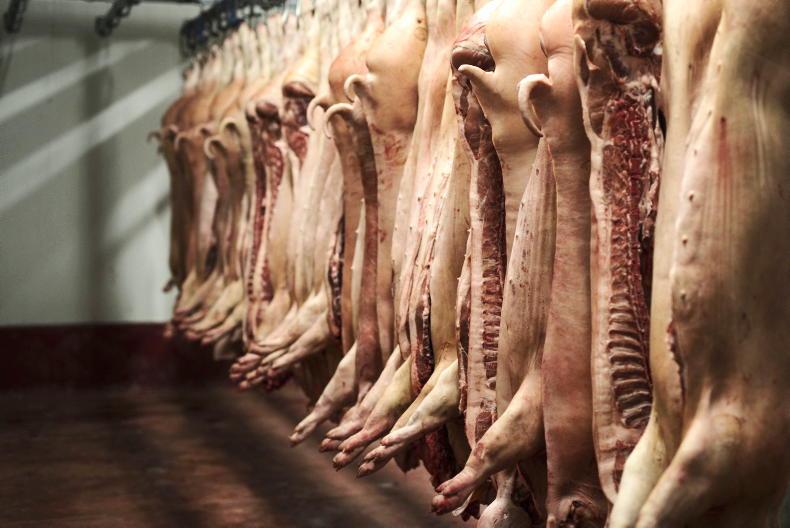
The UK took 88,000t of Irish pigmeat in 2016, with China being the next most important customer at 65,000t.
However, in terms of value, the UK sales were worth half of all exports because the UK takes higher-value cuts while Asian markets buy the lower-value cuts.
While Ireland has a good spread of markets for pigmeat, Brexit has the potential to do serious damage to the sales of higher-value cuts.
The Chinese pig herd has been in decline over several years
The other great variable for future pig prices is supply of pigmeat on the world market.
Because pigs have a relatively short production cycle, volumes can increase quickly. The Chinese pig herd has been in decline over several years but that is now levelling off and will regrow. This is reflected in the value of pig prices off farm in China, which are the equivalent of €1/kg more than Irish prices.
The US influence
The major player in volume exports of pigmeat is the US. It too had experienced reduction in its pig population but this grew last year and this trend will continue throughout 2017.
The USDA data for exports in January this year shows an increase in sales to all its major markets.
US exports in January were 202,667t, a 21% increase on January 2016.
Exports to its markets also showed an increase, with Mexico taking 72,000t, Japan 31,600t and China and Hong Kong taking 38,000t, which is more than half Ireland’s total exports to China for a year.
No doubt China will continue to be a buoyant market throughout 2017.
However, while the Irish pig industry enjoys a period of good prices, the shadow of Brexit and its implications two years from now and a growing US supply means that there is no guarantee that Irish pigmeat prices won’t come under pressure again in the future.
Read more
Pig slurry database to be formed
This time last year our pig industry was in meltdown, with prices averaging €1.33/kg in March 2016.
With just around 300 commercial pig farms operating here, there were simply no further efficiencies that would make the industry viable at this price.
Prices recovered just in time in the second half of 2016, and the most recent Bord Bia data shows prices at a healthy €1.63/kg at the beginning of March 2017. Farmers were receiving as much as €1.72/kg this week.
There is an acceptance that the industry is in a healthy and profitable state, despite the sustained period of loss-making last year.
Questions remain
The big question for pig farmers and the almost 8,000 people who are employed in the Irish pig processing industry is will current prices last or even improve further?
At first glance, the fundamentals appear good. While the Irish pig industry is, like all areas of agriculture, under threat from Brexit in terms of access to the UK market, it is less exposed than some other sectors.
The UK took 88,000t of Irish pigmeat in 2016, with China being the next most important customer at 65,000t.
However, in terms of value, the UK sales were worth half of all exports because the UK takes higher-value cuts while Asian markets buy the lower-value cuts.
While Ireland has a good spread of markets for pigmeat, Brexit has the potential to do serious damage to the sales of higher-value cuts.
The Chinese pig herd has been in decline over several years
The other great variable for future pig prices is supply of pigmeat on the world market.
Because pigs have a relatively short production cycle, volumes can increase quickly. The Chinese pig herd has been in decline over several years but that is now levelling off and will regrow. This is reflected in the value of pig prices off farm in China, which are the equivalent of €1/kg more than Irish prices.
The US influence
The major player in volume exports of pigmeat is the US. It too had experienced reduction in its pig population but this grew last year and this trend will continue throughout 2017.
The USDA data for exports in January this year shows an increase in sales to all its major markets.
US exports in January were 202,667t, a 21% increase on January 2016.
Exports to its markets also showed an increase, with Mexico taking 72,000t, Japan 31,600t and China and Hong Kong taking 38,000t, which is more than half Ireland’s total exports to China for a year.
No doubt China will continue to be a buoyant market throughout 2017.
However, while the Irish pig industry enjoys a period of good prices, the shadow of Brexit and its implications two years from now and a growing US supply means that there is no guarantee that Irish pigmeat prices won’t come under pressure again in the future.
Read more
Pig slurry database to be formed







SHARING OPTIONS