


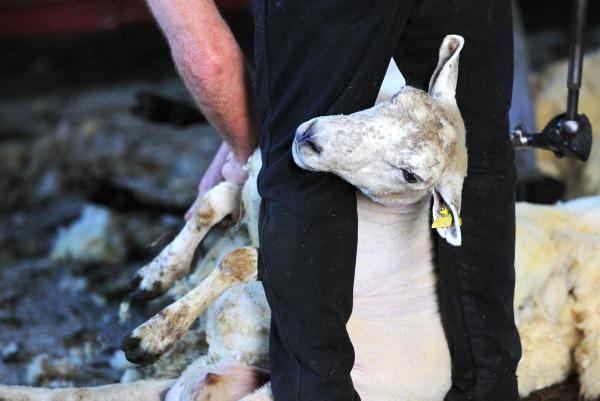
While meeting with George Graham, well-known shearer and co-ordinator of the programme of events for the CLiK All Ireland and International Sheep Shearing and Wool Handling Championships, I asked him what tips he could give flock owners to make shearing life easier. George pointed out that the responsibility not only lies with the flock owner, the shearer should also be organised.
George’s thinking on quality is clear. Flock owners should strive to deliver the best quality wool within their control but, in doing so, should be rewarded sufficiently by their merchant.
Preparation is the first step and is key in setting a basis for delivering quality wool. Ideally, sheep should be housed the night before. This serves two purposes. Sheep will be empty the following morning, resulting in less stress on both the sheep and the shearer.
Full sheep can be in the region of 10kg to 15kg heavier at shearing and increase the workload significantly. Secondly, it ensures that where sheep are housed dry, wool will not be damp the following morning.
Shearing damp wool can have long-term negative health effects on the operator, increases the risk of a safety hazard when working with electricity and seriously devalues wool.
Where housing is not possible, sheep should be tightened into a bare paddock. The mistake is often made when bringing sheep close to a handling unit or housing the night before of releasing into fresh pasture which aggravates the problem of shearing full sheep.
Where housed, conditions should be suitable. Never house on only a concrete floor. The best situation is to house on slats or if bedding has accumulated over the winter period as opposed to bedding with fresh straw as it will get stuck in the fleece.
A bonus in facilitating easier movement of ewes and lambs is to draft the lambs from the ewes. Ewes will be anxious to return to lambs and it will also reduce the occurrence of fleeces becoming soiled.
Where lambs are left with ewes, they run the risk of jumping on top of each other, fleeces becoming soiled and attracting flystrike once released back outdoors. George said that in an ideal world all ewes will have been previously dagged before shearing.
Black wool and scotch wool should also be kept separate from white lowland wool as even a small portion of black wool is enough to devalue the entire clip packed in an individual wool sack. Black wool should be packed in an individual sack and, in most cases, will be capable of attracting the same price from merchants, depending on the quantity included.
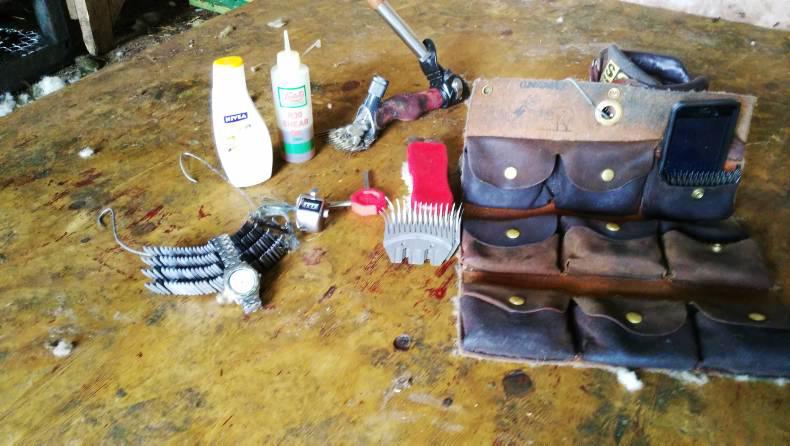
The shearer should have equipment in good working order with blades, combs, etc,
all sharpened and up to standard. A circuit breaker should also be included and the source of electricity known.
*This article was first published on 7 May 2011.





SHARING OPTIONS