


Fly control: Dry cows remain at risk of developing mastitis, as there is still a high level of fly activity at present. The risk is greatest where cows are grazing sheltered fields with plenty of hedgerows or in paddocks bordering watercourses. Dry cows and in-calf heifers are often used to graze off areas of rougher land or clean out swards that have reached maturity and headed out. Such swards tend to harbour flies and present a risk to cows. Topping grass will help to reduce this risk. There are numerous products for controlling flies, each with their own merits and persistency. Products like Stockholm Tar have to be re-applied every few days, which is less convenient where cows are grazing outfarms with no handling facilities. Pour-ons can be easily applied to cows once they are securely penned in a handling unit. You may need to treat cows every two to three weeks, depending on the product’s persistency and where the risk period remains high.
Finishing cattle at grass: Now is the time to assess your cattle and select which animals are likely to finish off grass this autumn. Traditional beef-bred cattle are best suited to killing off grass, especially heifers. Heifers should currently weigh at least 450kg liveweight if they are to kill off grass. Steers should be at least 500kg at present. Assuming 100kg of weight gain between now and mid-October, at 55% kill-out, this would bring carcase weight to around 300kg for heifers and 330kg for steers. Where possible, make these animals a priority group and put on to good-quality grass. Grass protein levels will generally range from 15% to 20%, which will keep animals growing. Therefore, you will only require a high-energy ration or a simple mix of rolled barley, maize meal and soya hulls to finish cattle.
Weather: There has been some heavy rainfall this week and more rain is forecast from Friday and into the weekend. Ground conditions have been reasonably good in recent weeks, but can turn quickly on heavier land. Be careful to avoid damaging swards after heavy rain. Cattle, especially yearling bulls, can become unsettled during rain and quickly damage paddocks. If ground conditions become tender, move cattle on to the next paddock. Don’t be tempted to hold them until the sward is cleaned out. Cattle can clean out the sward later when ground dries out.
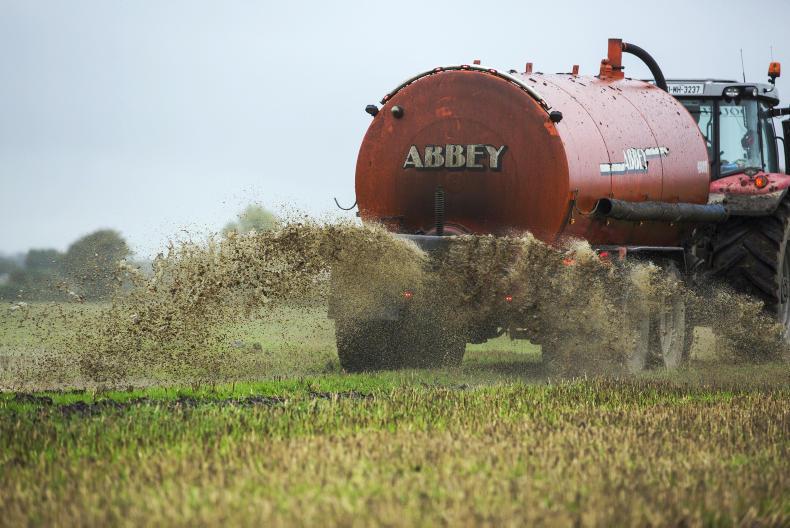
Grazing: Grass growth is still relatively good across the country, although it has eased back from peak growth rates in mid-June. For many farmers, grass growth is still ahead of cattle demand, especially for reseeded paddocks or swards with a high level of ryegrass present. Despite this, you should still be applying small and frequent dressings of fertiliser after every grazing. Around 12 to 15 units of nitrogen per acre (half a bag of CAN) will suffice at present. If land is fragmented, you can combine this into a regular monthly blanket dressing of nitrogen if it is more practical. Regularly applying fertiliser will help to keep regrowth from turning back to stem and reducing feed value.



SHARING OPTIONS