


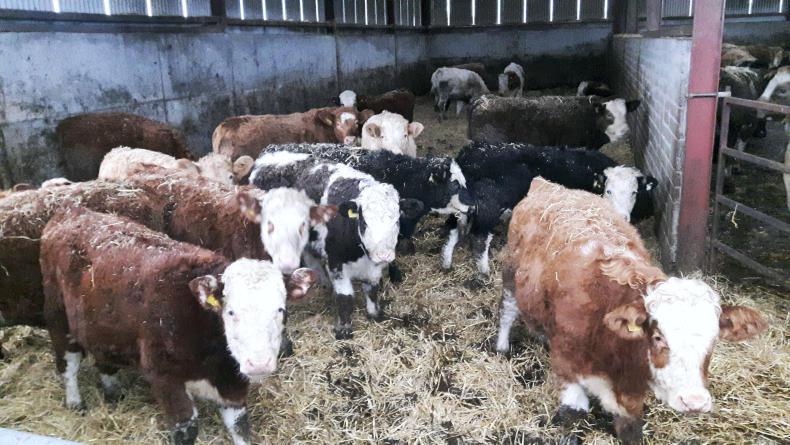
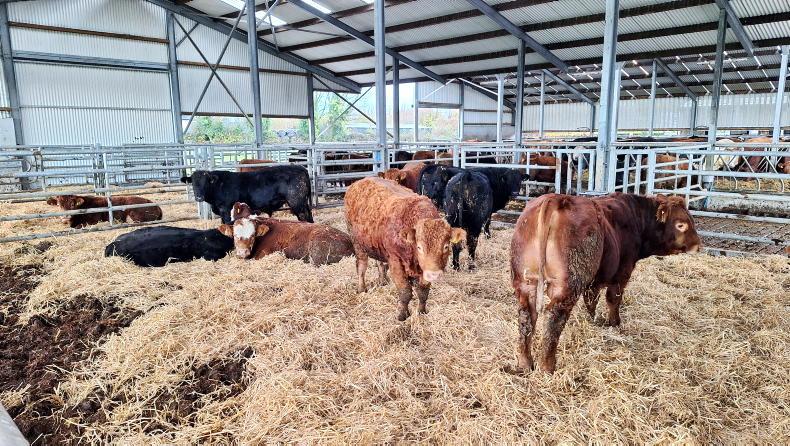
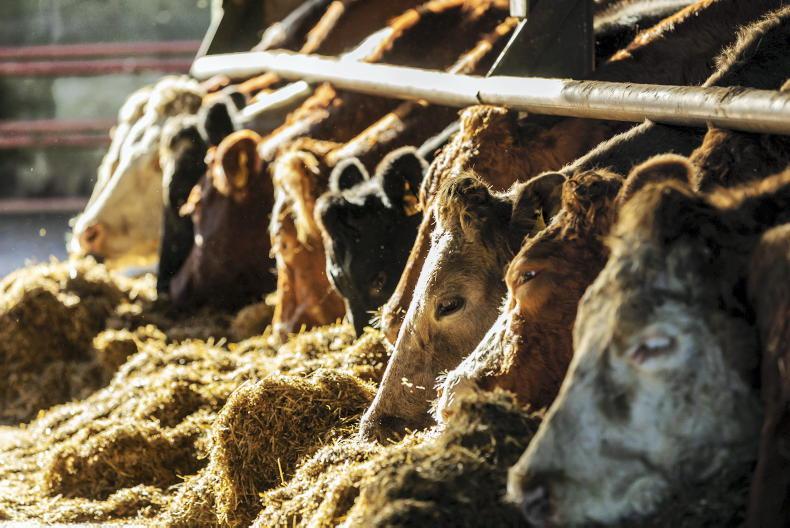
Indoor management: Last weekend’s rain has seen many farms housing cattle for winter earlier than planned. This will put pressure on resources. On farms where calves are normally sold as weanlings and just dry cows are housed over winter, providing creep areas for calves may be an issue. For others, having to house so many cattle at the same time has increased the risk of a pneumonia outbreak.
While conditions are wet, temperatures are still quite mild, which compounds the problem of keeping cattle free of respiratory issues. While you do not want to be disturbing cattle that have just been housed, once they have settled, they will benefit from clipping their heads and back. Clipping will prevent cattle sweating. Increasing air-flow or reducing stocking density will also help to cut down respiratory problems.
Providing a clean, dry lying area for calves suckling their dam is important. Creep areas should have plenty of straw and be free from draughts. Calves should have access to silage and meal in their creep area. Locking calves away from cows will ease the demand placed on the cow, making it easier to manage body condition and cutting down feed intake. Allowing calves to only suckle their dam in the morning and evening will also ease weaning. It will also help to bring autumn-calving cows back into heat quicker.
Separate priority cattle for additional feeding. This includes weanlings to be sold in the coming weeks and finishing cattle. Thin cows, first-calved heifers and heifers that will be served next year to calve at 24 months should be penned separately from the main herd for extra feeding. Doing this now will give you more time to get these animals back on track in terms of body condition and weight gain.
Silage quality: Where cows are housed, it is important you complete a fodder budget to determine how much silage you have and how much you will need this winter. You can access a simple fodder calculator on www.farmersjournal.ie/toolbox/fodder. This gives you time to buy silage if needed. As you open the pit, get the silage analysed to determine feed quality. This way you will be able to tailor winter diets to suit cattle requirements. With plenty of first-cut silage harvested later than planned, feed quality will be variable. It is important you know what you are feeding to finishing cattle and cows. If silage has a low feed value, you will need to increase meal levels to autumn-calving cows to help fertility and milk production and to spring weanlings to maintain liveweight gain.
Scanning cows: With cows housed, they should be pregnancy scanned. If you are tight for housing and silage, empty cows should be sold. Options for cull cows are outlined on page 44. Cows should be grouped based on calving date and body condition. Doing this now will allow a hierarchy to be established and make sure cows are fed to requirement. Regrouping next spring when heavily pregnant is not a good idea. It increases the risk of a cow aborting if she gets a knock as cows try to re-establish a hierarchy.



SHARING OPTIONS