


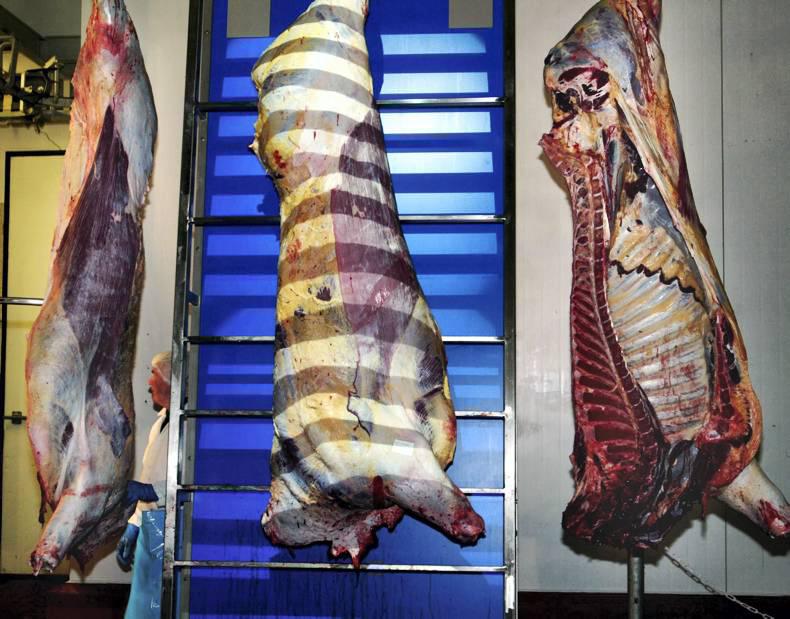
It is clear from the outset that the MII view of the Beef Forum is that it is a strategic body whose focus should be on the long-term betterment of the Irish beef industry. There should be particular emphasis on driving efficiency on farm and in the factory. What it shouldn’t be is a disputes resolution body, a role that it assumed at the height of the protests last autumn.
MII is keen to focus on the trading environment for beef, highlighting the decline in EU beef consumption since the onset of recession. In the period from 2010 to 2014, the equivalent of a year and a half’s Irish beef kill was lost to other proteins.
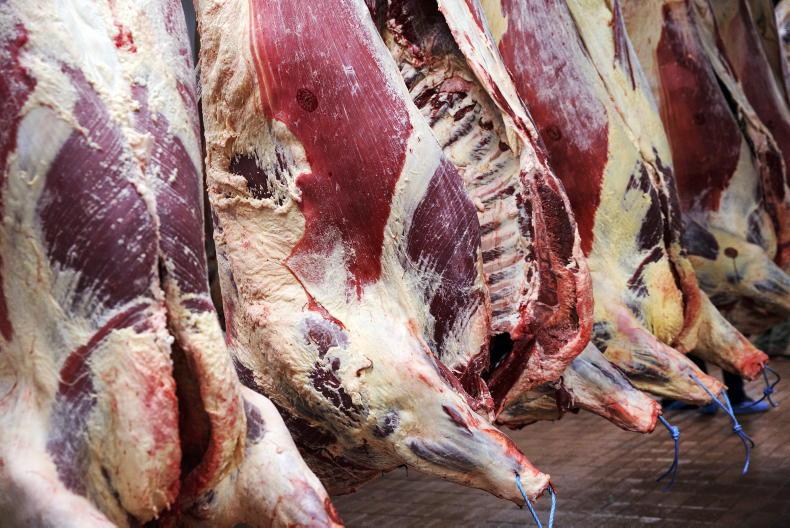
The organisation also emphasises that while factories buy cattle, they sell beef. Therefore, while the farmer supplies the factory with an animal at 750kg, the factory will typically be presenting the product from that animal in packs for the consumer of half a kilo. Similarly, while availability will be a driver of cattle price, beef price will more likely be determined by the availability of other suppliers.
MII is also critical of the power of large supermarkets and legislators’ approach to them. Ireland had fair trade legislation until 2008, when it was ended in the expectation that it would give consumers a better deal. In Britain, it never existed though the appointment of an adjudicator is a step in this direction. The adjudicator’s investigation of Tesco is being watched with interest.
MII is clear in its assertion that it is the big retailers that set the price and its suppliers and, in turn, the supplier’s suppliers (farmers) pay for everything. A very strong statement about some of the top customers for Irish beef!
When pressed about farm-gate prices, MII is adamant that it wants as much as possible returned to farmers. Farmers have choices about how they use their land and if the industry doesn’t offer an attractive option, then farmers won’t produce. It is also clear that developing export opportunities outside the EU is exciting as this is the first time in history that Ireland is supplying third countries with product on a commercial basis. In the past, exports beyond the EU were strongly supported by export refunds.
Getting back to supermarkets again, another benefit in exports is that they will keep EU retailers honest. As for present prices, they are close to being as good as they can be without jeopardising consumption.
Efficiency
The next win for beef won’t necessarily be through higher prices. MII is convinced efficiency is the key and that is where the forum fits in.
MII is also keen to reflect on how Ireland has moved from being a global supplier of commodity beef to supplying the top customers in Europe and beyond on a commercial basis.
Customers have been developed for fresh product, many in countries with access to a cheaper cattle supply than Ireland. MII is broadly supportive of international trade agreements but concerned that European negotiators may not give agriculture and beef, in particular, the priority it deserves. The USA position on hormones cannot be accepted, as irrespective of the science, the EU industry cannot return to using growth promoting hormones.
Another issue is fair access. If the EU allows unrestricted access for some cuts like steaks, then that has the potential to distort the entire trade in Europe. There is a worry that the EU, in its enthusiasm for trade deals, could be weak on agriculture.
In our obsession with foreign direct investment, we overlooked that the industry contributes as much to the Irish economy and what’s more not inside the M50 but across rural Ireland.
Turning to the disputes of last autumn, MII believes that it has a good working relationship with its farmer suppliers. In the main, they understood the difficult trading conditions experienced by factories last year, which meant depressed farm-gate prices.
While holding the view that farmer suppliers to factories are fairly well informed, MII is open to improving communication and working with Bord Bia on this. An area of contention is the use of the R3 steer carcase as the benchmark for determining Ireland’s place in the world price league.
MII claims the farm-gate price is not a reflector of beef markets and, in any case, if we are trying to relate beef prices back to a carcase value, it is a composite animal (ie a mix of all grades and categories including cows) that should be used.
On the issue of factory profitability, MII refers to CSO figures on the gross value added category in manufacturing as consistently showing meat processing among the lowest margin business.
The subject of young bull production is one that MII refutes and challenges the agriculture committee and various farmer spokespersons on their interpretation of the MII position of bull beef production.
Market signals
The MII highlights its position as promoter of heifer beef – that is Ireland’s unique selling point. As for Teagasc research, it conceded that it contributed to development of a bull beef specification but this was never to prioritise it over steers and heifers.
MII is of the view that specification requirements from the market are too easily dismissed by farmer representatives though well understood by top factory suppliers. If we have ambitions to get the top market price for our product, then we have to be prepared to give the top paying customers what they want.
For several years, the trend is towards lighter carcases and uniformity of appearance of the product in retail packs. This combines with an MII concern about the carbon footprint of our suckler production, with 1m cows producing 750 000 calves, the first of which isn’t born until the cow is three years old. This has to be improved and the benefit will be that best farming practice delivers a reduced carbon footprint alongside greater efficiency.
Overall, MII’s perspective on the Beef Forum is that it should be a coming together of all the stakeholders in Irish beef to chart a course that maximises the value of the sector in the long term.
Crises of their nature are caused usually by market events not turning out as expected and last year was unfortunate in that respect. However, the Forum best delivers when it keeps its eye on the big picture of what is best in the long term for the Irish beef industry.
For MII, the Beef Forum will work best when it is attending to the boring non-newsworthy issues of driving efficiency, not when it is grabbing headlines.



SHARING OPTIONS