With more humid weather conditions, farmers with cattle grazing on rougher, older pastures should be on the lookout for the signs of redwater in cattle.
Redwater is commonly transmitted by ticks, which can thrive in areas where there are heavy covers of old grass or dead grass building up.
The disease is spread once the tick bites the animal. The tell-tale characteristic sign that cattle are infected is a red colour in the animal’s urine, which is often frothy.
ADVERTISEMENT
The darker the colour, the more severe the infection.
Eating soil
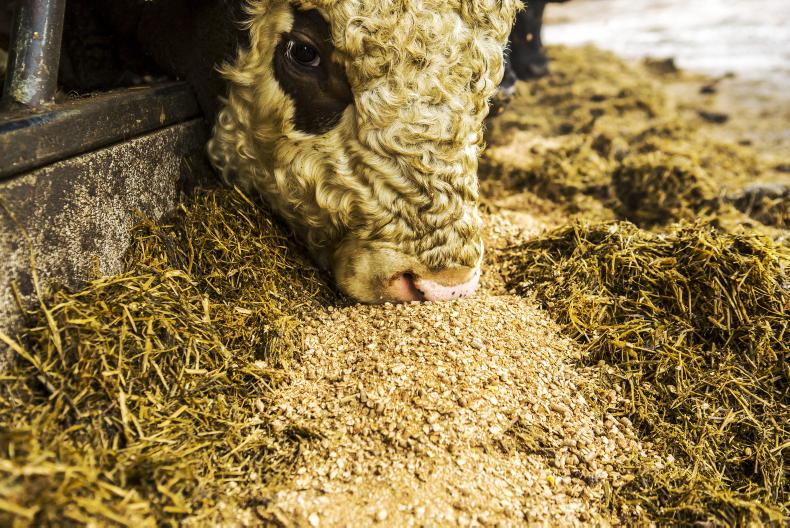
Cattle tend to go off their feed with severe cases, or try to eat soil as they will be low in iron.
Mature cattle reared on land where ticks are present generally develop immunity, but youngstock or bought-in cattle will be at risk.
Treatment will require veterinary assistance and in some cases a blood transfusion.
Herd cattle daily and make sure you put them up and see them eating normally.
This content is available to digital subscribers and loyalty code users only. Sign in to your account, use the code or subscribe to get unlimited access.
The reader loyalty code gives you full access to the site from when you enter it until the following Wednesday at 9pm. Find your unique code on the back page of Irish Country Living every week.
CODE ACCEPTED
You have full access to the site until next Wednesday at 9pm.
CODE NOT VALID
Please try again or contact support.
With more humid weather conditions, farmers with cattle grazing on rougher, older pastures should be on the lookout for the signs of redwater in cattle.
Redwater is commonly transmitted by ticks, which can thrive in areas where there are heavy covers of old grass or dead grass building up.
The disease is spread once the tick bites the animal. The tell-tale characteristic sign that cattle are infected is a red colour in the animal’s urine, which is often frothy.
The darker the colour, the more severe the infection.
Eating soil
Cattle tend to go off their feed with severe cases, or try to eat soil as they will be low in iron.
Mature cattle reared on land where ticks are present generally develop immunity, but youngstock or bought-in cattle will be at risk.
Treatment will require veterinary assistance and in some cases a blood transfusion.
Herd cattle daily and make sure you put them up and see them eating normally.
If you would like to speak to a member of our team, please call us on 01-4199525.
Link sent to your email address
We have sent an email to your address. Please click on the link in this email to reset your password. If you can't find it in your inbox, please check your spam folder. If you can't find the email, please call us on 01-4199525.
ENTER YOUR LOYALTY CODE:
The reader loyalty code gives you full access to the site from when you enter it until the following Wednesday at 9pm. Find your unique code on the back page of Irish Country Living every week.
SHARING OPTIONS