


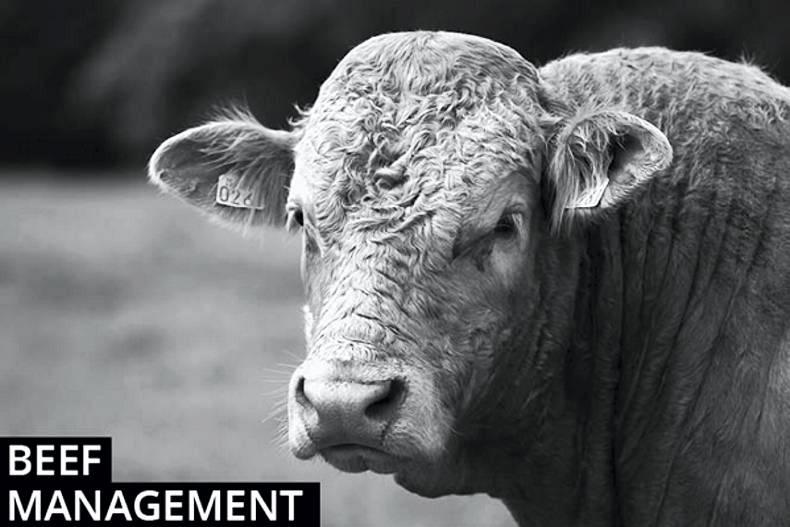
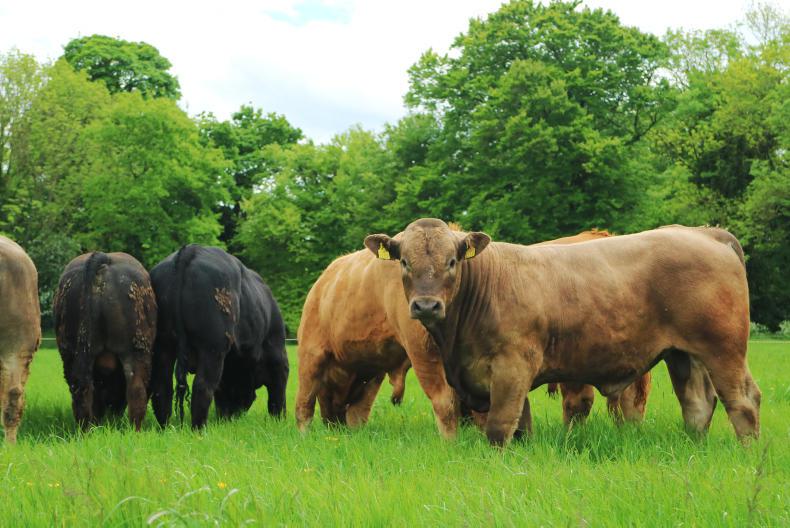
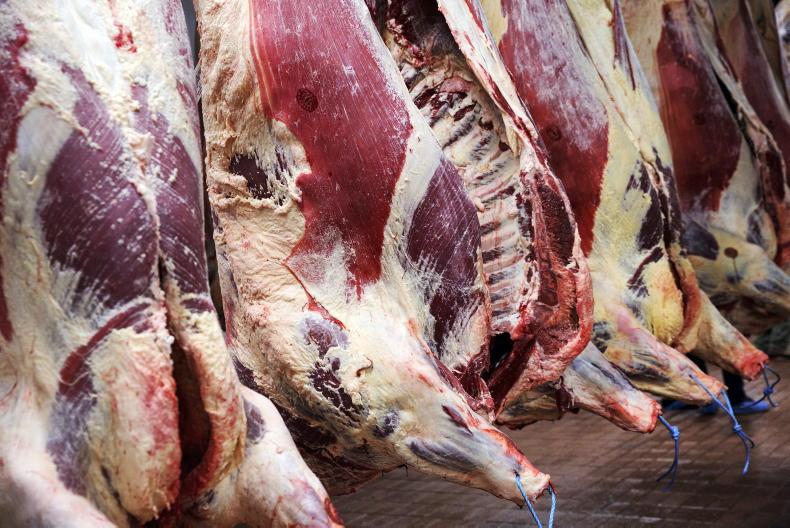
Bull finishing: If you plan to finish bulls over 16 months or over 400kg, now is the time to talk to your processor. Age and weight are the key issues. Although various plants are more active for aged, heavy bulls than others, bear in mind that the majority require a carcase of under 420kg for bulls under 20 months, and under 400kg for bulls under 16 months. A bull should gain about 150kg-180kg liveweight in the 90 to 100-day intensive finishing period. With an estimated kill-out of 56%, bulls should weigh no more than 550kg-600kg at housing for the final finishing period to have a carcase under 420kg. Supplementing at grass with 4-5kg concentrates/day will help in the transition of the diet to a full ad-lib one, while avoiding the risk of a check in daily liveweight gain. If feeding over 5kg ration/head/day, it should be done in a split feed, morning and evening. Managing or supplementing heavy bulls outdoors is a dangerous business. Avoid entering the paddock where bulls are grazing for safety reasons, some farmers feed under electric fences, while others will place troughs in the paddocks using a loader. Once housed, bulls can be increased to ad-lib feeding levels gradually over a two-week period.
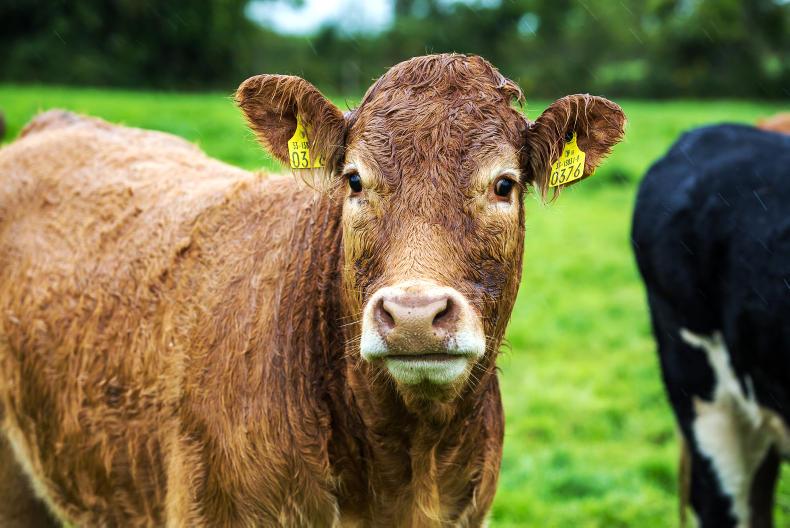
Weighing weanlings: One of the most important jobs you can do during the year is to monitor weight gains. A dairy farmer can assess performance through milk yield or at each collection through the volume in the tank and the constituents on the printout. Suckler and beef farmers haven’t got the luxury of having such regular means of assessment. Waiting until the date of sale to see the weight of a weanling at the mart is a flawed policy. No changes can be made at that stage to improve the sale weight of the animal. Any suckler farmer should be monitoring the weight gain of their calves between 150 and 250 days of age to accurately assess the effect of maternal milk – the key driver of weaning weight. With good grassland management, bull calves should have an average weight gain of about 1.2kg/day from birth, while a good target for heifers is 1kg/day.
Dock control: Docks are now growing quickly in silage aftergrass. Where they are still in the rosette stage, they are ideal for spraying. There is a wide range of sprays on the market to treat dock weeds in grass. Spot spraying using a knapsack or lance is time-consuming, but can save on costly spray. Ensure suitable protective clothing is worn and chemicals are handled and diluted as prescribed on the container. Farmers that use sprayers to apply pesticides and herbicides need to complete training and register with the Department of Agriculture prior to 26 November 2015.
National BETTER Farm walk: On Tuesday next, the last National BETTER Farm walk of the year takes place on Donie and Paudie Ahern’s farm near Pallas Green, Co Limerick. They operate a suckler-to-beef enterprise, finishing bulls under 16 and 20 months of age. Full preview on p38.



SHARING OPTIONS