We are now eight to 10 weeks into the winter on a lot of farms, and further west and in the northwest cattle have been indoors longer. Now is a good time to take stock of what fodder supplies are in the yard. Make a note of how many bales or how much pit silage is being used each week and calculate how much will be needed until turnout. It might be easier to take action now by restricting some animals, supplementing with straw, or buying some extra silage. Take a look at meal feeding as it could represent the best value when it comes to purchasing energy. Can you supplement some animals with more meal and reduce silage usage? Take action now rather than running out and panic buying in March or April.
Calving Intervention:
ADVERTISEMENT
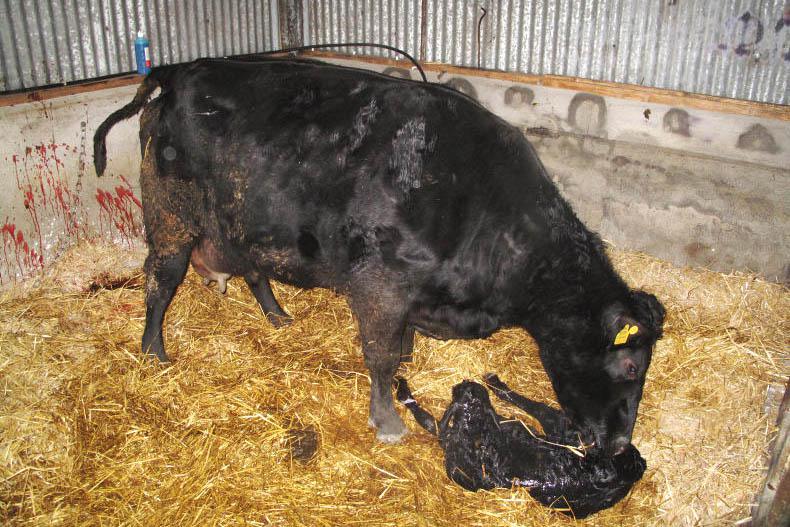
How quickly should you take action when cows are calving is a common query. On some farms there is a tendency to panic and intervene too early when a cow is calving. Early intervention can sometimes also occur late at night as it may ease management to have the cow calved and the calf sucked before bedtime. However, starting to pull the calf before the cervix has fully opened can create calving problems. Also, the calf may not be in the correct position and pulling too early can place stress on the cow and calf. Excessive pulling of the calf can lead to further problems with suckling once the calf is born with some calves unable to stand for days. Generally speaking, once the water bag has burst, you should observe at 30-minute intervals to check progress but do not disturb the cow. If calving is progressing well, you should not intervene. If the calf has not been born within two hours of the water bag bursting, you should then intervene to check for malpresentation or if veterinary assistance is required. Always be extremely careful when entering a pen with a cow calving. With a heifer, allow one hour to calve after the water bag bursts before intervening. If she is making progress, leave her be. When progress stops or the calf becomes distressed, step in then and assist. With cows in good body condition, restricting silage intake or moving on to a hay diet for two to three weeks pre-calving may reduce calving difficulty. Good minerals are essential when feeding low-protein forages such as hay. Feeding 0.5kg soya bean meal daily two to three weeks before calving can help boost colostrum production.
Break/Family time:
Don’t forget to take a break over the Christmas period. On many beef farms workload can be kept to a minimum over the next seven to 10 days with daily herding tasks and feeding animals just carried out. Spend some time with family and take time away from the farm. This can sometimes help solve problems or issues when you come back taking a fresh look at things.
Happy Christmas: Can I wish all readers a Happy Christmas and the health and good luck to make 2017 a prosperous year on your farm.
Register for free to read this story and our free stories.
This content is available to digital subscribers and loyalty code users only. Sign in to your account, use the code or subscribe to get unlimited access.
The reader loyalty code gives you full access to the site from when you enter it until the following Wednesday at 9pm. Find your unique code on the back page of Irish Country Living every week.
CODE ACCEPTED
You have full access to the site until next Wednesday at 9pm.
CODE NOT VALID
Please try again or contact support.
Fodder Budget:
We are now eight to 10 weeks into the winter on a lot of farms, and further west and in the northwest cattle have been indoors longer. Now is a good time to take stock of what fodder supplies are in the yard. Make a note of how many bales or how much pit silage is being used each week and calculate how much will be needed until turnout. It might be easier to take action now by restricting some animals, supplementing with straw, or buying some extra silage. Take a look at meal feeding as it could represent the best value when it comes to purchasing energy. Can you supplement some animals with more meal and reduce silage usage? Take action now rather than running out and panic buying in March or April.
Calving Intervention:
How quickly should you take action when cows are calving is a common query. On some farms there is a tendency to panic and intervene too early when a cow is calving. Early intervention can sometimes also occur late at night as it may ease management to have the cow calved and the calf sucked before bedtime. However, starting to pull the calf before the cervix has fully opened can create calving problems. Also, the calf may not be in the correct position and pulling too early can place stress on the cow and calf. Excessive pulling of the calf can lead to further problems with suckling once the calf is born with some calves unable to stand for days. Generally speaking, once the water bag has burst, you should observe at 30-minute intervals to check progress but do not disturb the cow. If calving is progressing well, you should not intervene. If the calf has not been born within two hours of the water bag bursting, you should then intervene to check for malpresentation or if veterinary assistance is required. Always be extremely careful when entering a pen with a cow calving. With a heifer, allow one hour to calve after the water bag bursts before intervening. If she is making progress, leave her be. When progress stops or the calf becomes distressed, step in then and assist. With cows in good body condition, restricting silage intake or moving on to a hay diet for two to three weeks pre-calving may reduce calving difficulty. Good minerals are essential when feeding low-protein forages such as hay. Feeding 0.5kg soya bean meal daily two to three weeks before calving can help boost colostrum production.
Break/Family time:
Don’t forget to take a break over the Christmas period. On many beef farms workload can be kept to a minimum over the next seven to 10 days with daily herding tasks and feeding animals just carried out. Spend some time with family and take time away from the farm. This can sometimes help solve problems or issues when you come back taking a fresh look at things.
Happy Christmas: Can I wish all readers a Happy Christmas and the health and good luck to make 2017 a prosperous year on your farm.
If you would like to speak to a member of our team, please call us on 01-4199525.
Link sent to your email address
We have sent an email to your address. Please click on the link in this email to reset your password. If you can't find it in your inbox, please check your spam folder. If you can't find the email, please call us on 01-4199525.
ENTER YOUR LOYALTY CODE:
The reader loyalty code gives you full access to the site from when you enter it until the following Wednesday at 9pm. Find your unique code on the back page of Irish Country Living every week.







SHARING OPTIONS