


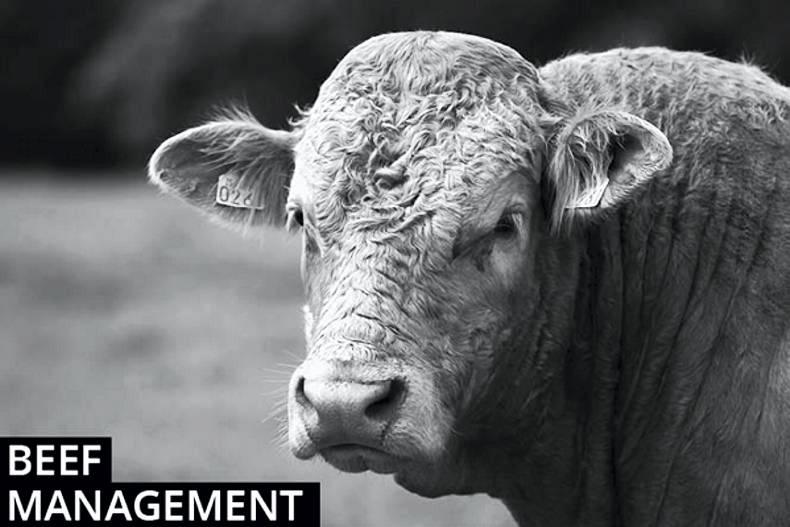
Pneumonia raising its head: I have been talking to a few farmers in the past week who have noticed some pneumonia and virus issues in sheds with calves and bulls. While prevention is always better than cure, where issues exist there is little that can be done bar isolate and treat. Early detection is crucial. In calves the poor weather conditions have compounded the issues. In the very odd case that spring-born calves and cows are out at grass, it is important to keep a close eye on calves for any signs of chills or sickness. In sheds it is essential to maximise ventilation and avoid draughts, particularly in calf creep areas. On calm days it is advisable to leave shed doors open to keep ventilation rates as high as possible. Calf creeps need to be bedded every day or two to keep calves as clean as possible and reduce the risk of scour. Having a good level of bedding in the creep will also help to keep calves warm when lying and reduce the draught risk. Where viral pneumonia is an issue in sheds, swift treatment and isolation is essential. If there is a history of respiratory illness on the farm, it may be worthwhile discussing a vaccination strategy with your vet to try and avoid an outbreak in the future. Intranasal vaccinations are the quickest acting and may be useful at the early signs of an outbreak.
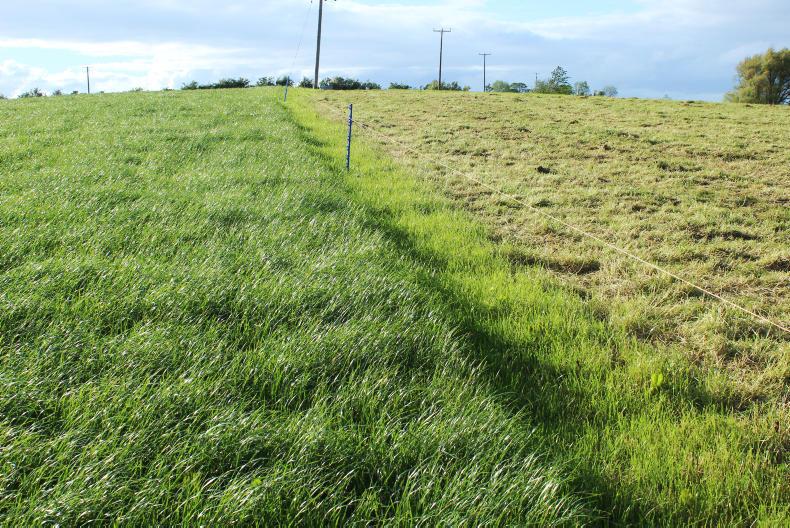
Grazing woes: Heavy rain and broken weather, which is forecast again for the coming days, has put a dampener on farmers’ moods and has halted plans for grazing in many areas. Teagasc research has shown that where fields are poached twice in the spring, grass production can be hit by up to 20% for the year. While those on drier land may be able to cope with some sward damage in the first rotation, as the ground will dry out by the second rotation, it is essential that those on heavy land or in higher rainfall areas do not poach to any great extent in the first rotation, as it could have a significant impact on subsequent rotations.
Waiting for ground conditions to improve may be more beneficial. However, the main problem arising in some areas is deteriorating sward quality, as a result of colder conditions. The focus here will be on trying to graze swards tight in the first rotation while at the same time limiting damage. Where sheds are beside grazing blocks, on-off grazing or using light cattle and weanlings to strip graze fields with heavy covers may be a good option in the coming weeks.
Pre-breeding vaccinations: Now is a good opportunity to get maiden heifers vaccinated in advance of the breeding season. While cows only require a booster shot against BVD or Lepto, heifers need a primary vaccination and a booster shot, so planning is required. Both home-reared, bought-in heifers and newly bought-in stock bulls require both courses. The primary should be administered about six weeks prior to breeding, with the booster administered two weeks prior to the targeted breeding date.




SHARING OPTIONS