Slurry should be applied first, with about a week left between slurry and fertiliser application to avoid nitrogen losses. As grass growth and yields are generally lower than first-cut the advice is to go with 70 units/acre (2.5 bags of 27.5 CAN/acre) on old pasture and no more than 80 units/acre on perennial ryegrass swards. Take account of nitrogen in any slurry that has been spread. However, nitrogen recovery will be lower in summer. One thousand gallons of slurry should contain about three units of nitrogen (N), five units of phosphorus (P) and 30 units of potassium (K).
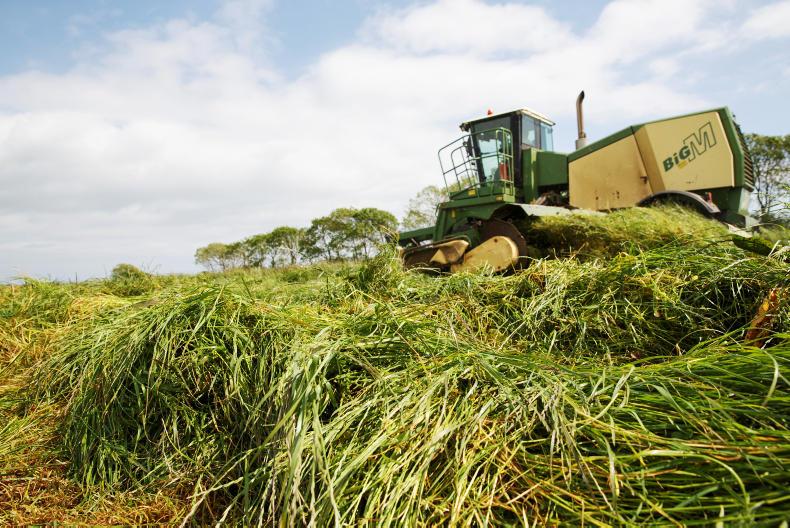
Take extreme caution when agitating tanks and try to keep this job for a windy day. Silage and slurry work means the yard is extra busy. Keep children away from the yard during this time, and if they are with you don’t let them out of sight. Weather windows can be tight, but it pays to take your time during these operations.
This content is available to digital subscribers and loyalty code users only. Sign in to your account, use the code or subscribe to get unlimited access.
The reader loyalty code gives you full access to the site from when you enter it until the following Wednesday at 9pm. Find your unique code on the back page of Irish Country Living every week.
CODE ACCEPTED
You have full access to the site until next Wednesday at 9pm.
CODE NOT VALID
Please try again or contact support.
Slurry should be applied first, with about a week left between slurry and fertiliser application to avoid nitrogen losses. As grass growth and yields are generally lower than first-cut the advice is to go with 70 units/acre (2.5 bags of 27.5 CAN/acre) on old pasture and no more than 80 units/acre on perennial ryegrass swards. Take account of nitrogen in any slurry that has been spread. However, nitrogen recovery will be lower in summer. One thousand gallons of slurry should contain about three units of nitrogen (N), five units of phosphorus (P) and 30 units of potassium (K).
Take extreme caution when agitating tanks and try to keep this job for a windy day. Silage and slurry work means the yard is extra busy. Keep children away from the yard during this time, and if they are with you don’t let them out of sight. Weather windows can be tight, but it pays to take your time during these operations.
If you would like to speak to a member of our team, please call us on 01-4199525.
Link sent to your email address
We have sent an email to your address. Please click on the link in this email to reset your password. If you can't find it in your inbox, please check your spam folder. If you can't find the email, please call us on 01-4199525.
ENTER YOUR LOYALTY CODE:
The reader loyalty code gives you full access to the site from when you enter it until the following Wednesday at 9pm. Find your unique code on the back page of Irish Country Living every week.






SHARING OPTIONS