



Soil Testing:
Only 10% of soil samples submitted to Irish soil analysis labs have optimum fertility, which means 90% are sub-optimum. To maximise the productivity of your soils it is essential that optimum soil fertility is maintained and correct levels of lime, P and K are applied based on soil results.
Correct pH is essential in ensuring all nutrients are taken up and used efficiently. Soil samples should be taken on every 5ha to 10ha, depending on field management. FYM or fertiliser should not have been applied to the soil sample area three months before soil sampling. Samples should contain a representative sample of the field, so walk in a zig-zag motion across the field, avoiding poached areas or cow-dung areas.
There are many companies providing this service, and some discussion groups have secured deals for a high number of samples. The cost ranges from €14 to €20 and is relatively small, based on the potential gains from correcting soil fertility issues. Analysing slurry can also be a useful exercise ahead of planning fertiliser for silage fields in 2017.
Cashflow:
Cashflow is extremely important to the smooth running of a business, and cashflow management can sometimes make or break a farm enterprise. Many drystock farmers will have received cashflow injections over the past few weeks, with BPS and ANC being paid. However, the problem is that, on many drystock farms, this will be the only injection until cattle sales start again, and on some farms this could be as late as autumn 2017.
Managing this cash is critical. Sit down and see where and when the cash is needed and draw up a monthly cashflow budget for the farm. If there is a deficit, what will happen?
Look at the possibility of taking out an overdraft or delaying investment if things look too tight. Having a cashflow plan is essential if you are going to the bank for funds in the form of overdrafts or term loans. Planning ahead and being organised will also be a positive.
Injection sites:
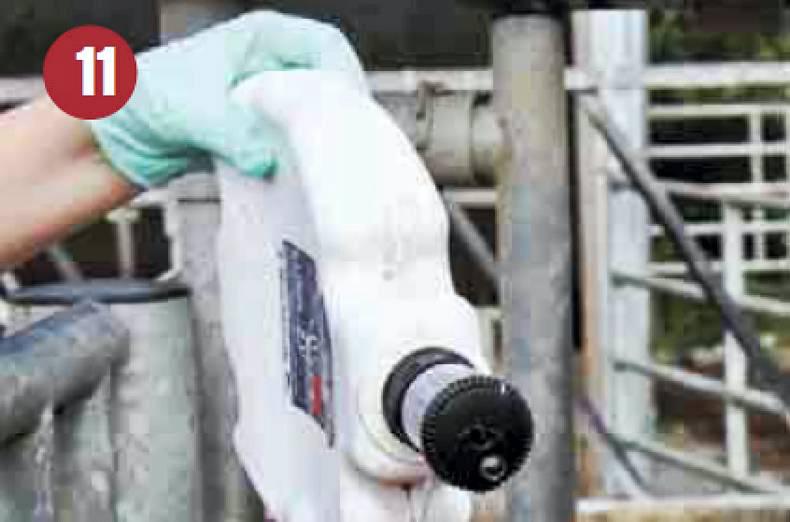
When injecting an animal, consider carefully where you insert needles. Ideally, injections should be given in the neck, as it is an area of lower carcase value compared with the loin or ribs. It also tends to be less dirty than the hind quarter, where faeces can accumulate due to the animal lying on slats. Operator and housing hygiene is important. Wearing gloves can help protect man and beast.
As injections pierce the skin, it is possible for bacteria to enter the opening and cause an abscess. When the abscess subsides, scar tissue develops, and this has to be trimmed off the carcase, making it less valuable.
Always use the correct size needles, and change needles regularly if vaccinating. Using dirty needles will increase the chances of infection.
Always massage the skin after injecting an animal. Products that require more than one shot should have each shot given at different sites to prevent any issues.


SHARING OPTIONS