Grass silage provides the forage base for the majority of winter diets on Irish livestock farms. Depending on location, soil type and weather, some farms may have to house animals from October until April or May, making grass silage a very important crop.
Consequently, it is the largest crop grown in Ireland with over one million hectares of Irish grassland harvested for silage at least once during the year (CSO, 2010).
This represents approximately 29% of our total land area under grassland, so every effort should be made to produce good-quality feed to match the animal’s demands.
In addition, grass silage may represent 25% to 38% of the total DM fed in a suckler beef production system. Therefore, it is very important that the farmer analyses and knows the feed value and quality of his silage in order to provide a balanced diet to the animal.
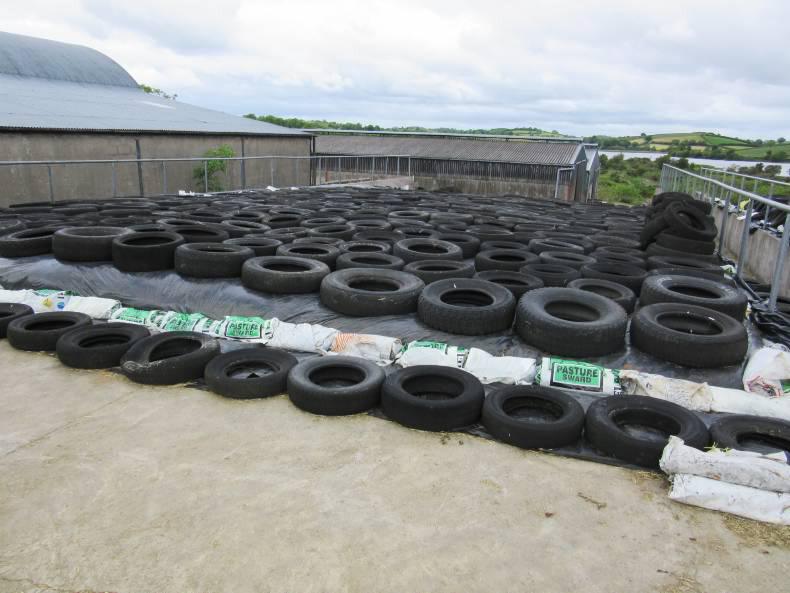
Grass silage composition can be very variable in quality and chemical composition compared with concentrate feeds, as there are many factors which can potentially affect the feed quality of silage such as cutting date, weather, spring grazing, sward type and sealing or covering.
It is very important to analyse the feed value and preservation traits of silage as it will allow you to:
Assess the nutritional quality of the feed. Determine whether concentrate supplementation is required or not. Give you an indication of the success of the fermentation process and preservation and stability of the silage at feed out.Table 1 shows the target chemical values for first-cut grass silage. However, on suckler beef farms, there are generally different categories of stock on the farm that will have different feed requirements. Depending on the quality of the silage, supplementation with concentrates may be required to achieve the target weight gains.
2015 on the farms
Each year, the BETTER farm participants analyse their grass silage in order to plan and formulate their cattle diets for the winter ahead.
Table 2 gives a summary of the chemical composition of the first-cut grass silage made on the BETTER farms in 2013, 2014 and 2015.
The 2015 data is comprised of 38 individual silage samples taken from the 30 programme participants, with all samples analysed in AFBI Hillsborough Laboratories.
Some farmers operating a flexible baled silage system had different harvest dates, so more than one sample was taken to assess the different batches of bales.
As can be seen from Table 2, silage quality has been very consistent across the programme farms over the last three years. The farmers have adopted best practice in grassland management and this is evident in the results of their silage analysis.
The average harvest date across the farms was 5 June, with the earliest silage made on 21 May and the latest first cut sampled on 30 June.
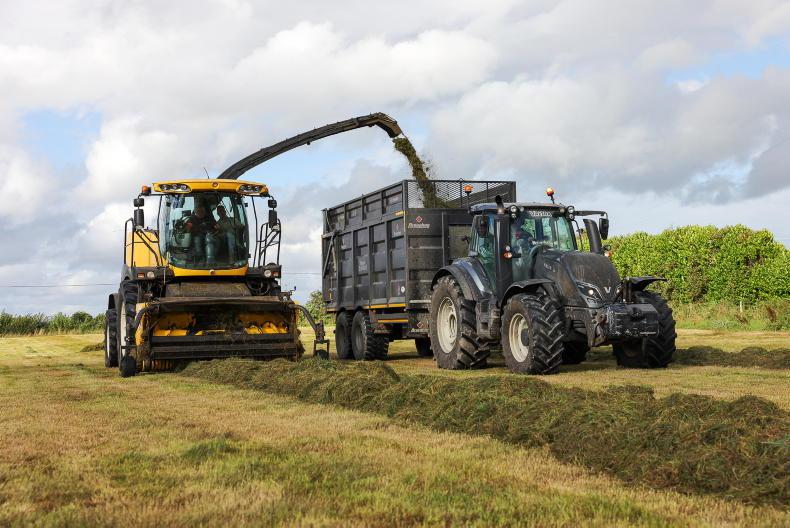
Three different methods of silage harvesting were used on the farms, with precision-chop forage harvesters and wrapped bales being more widely used than silage wagons.
The dry matter (DM) percentage, which is a measure of how much material is in the feed after all the water is removed, is a lot higher this year compared with last year.
Silage DM across the farms averaged 30.9%. This would indicate that weather conditions were very favourable, as the silage is quite dry and the grass was wilted well before harvesting.
The range in DM was from 20% to 51%, with the lower DM silages made in late May with less favourable weather conditions and in some instances no wilting opportunities.
pH reading
The pH reading measures the acidity of the crop and it is very important that it is between 4.0 and 4.5. This is a good indicator of how successful the fermentation process was, as the plant material needs an anaerobic acidic environment to promote the production of lactic acid, volatile fatty acids and bacteria for the fermentation process to preserve the grass.
As can be seen, the overall pH of the silages were on target at 4.25 and should be very stable at feed-out. Drier silages with higher DM values had higher pH readings as there was less juice in the plant to promote lactic acid production, but overall feed quality and digestibility was not affected.
The ammonia concentration is a measure of the total protein broken down in the plant and is also an indicator of how successful the fermentation process of the silage was. Overall, ammonia concentration is on target across the farms, averaging 9.49%. The range was from 5% to 15%, with the higher reading indicting either poor utilisation of nitrogen by the plant prior to harvesting or poor preservation.
Silages with high ammonia concentrations are not palatable and will have poor intake potential.
The protein measure of grass silage is based on the level of nitrogen in the plant material. As can be seen, the programme farmers averaged 11.29% and samples varied from 8.2% to 15.8%.
Swards containing a higher proportion of perennial ryegrass and clover with young, leafy plants should have protein levels of 12% to 14%.
Older swards with headed out grass generally have lower protein levels.
Similar to protein, young leafy swards will have higher energy values than older headed out swards. This year, the average for the programme farms was 11.01 MJ/ME and ranged from 10 to 12.
The dry matter digestibility (DMD) of silage is the portion of the DM that is digested by animals at a specified level of intake.
This is a measure of how digestible the dry material in a feed is. The higher the value, the greater the intake potential and subsequent animal performance.
BETTER farm silage averaged 72% DMD, which is two units higher than last year. The range was quite broad, with the lowest DMD silage measuring 64% and the highest at 82%.
Research carried out in Teagasc Grange has shown that there are many variables that can affect the DMD of grass silage, as shown in Table 3.
The programme farmers have placed a lot of emphasis on cutting silage from swards with a high content of perennial grass that have been grazed at least once in the spring to remove the dead grass at the base of the stem that accumulated over the winter.
As can be seen from the samples, the average cutting date is 5 June, so most farmers producing silage for finishing cattle or weanlings are aiming to harvest from mid-May to early June to optimise quality and intake potential.
Grass silage provides the forage base for the majority of winter diets on Irish livestock farms. Depending on location, soil type and weather, some farms may have to house animals from October until April or May, making grass silage a very important crop.
Consequently, it is the largest crop grown in Ireland with over one million hectares of Irish grassland harvested for silage at least once during the year (CSO, 2010).
This represents approximately 29% of our total land area under grassland, so every effort should be made to produce good-quality feed to match the animal’s demands.
In addition, grass silage may represent 25% to 38% of the total DM fed in a suckler beef production system. Therefore, it is very important that the farmer analyses and knows the feed value and quality of his silage in order to provide a balanced diet to the animal.
Grass silage composition can be very variable in quality and chemical composition compared with concentrate feeds, as there are many factors which can potentially affect the feed quality of silage such as cutting date, weather, spring grazing, sward type and sealing or covering.
It is very important to analyse the feed value and preservation traits of silage as it will allow you to:
Assess the nutritional quality of the feed. Determine whether concentrate supplementation is required or not. Give you an indication of the success of the fermentation process and preservation and stability of the silage at feed out.Table 1 shows the target chemical values for first-cut grass silage. However, on suckler beef farms, there are generally different categories of stock on the farm that will have different feed requirements. Depending on the quality of the silage, supplementation with concentrates may be required to achieve the target weight gains.
2015 on the farms
Each year, the BETTER farm participants analyse their grass silage in order to plan and formulate their cattle diets for the winter ahead.
Table 2 gives a summary of the chemical composition of the first-cut grass silage made on the BETTER farms in 2013, 2014 and 2015.
The 2015 data is comprised of 38 individual silage samples taken from the 30 programme participants, with all samples analysed in AFBI Hillsborough Laboratories.
Some farmers operating a flexible baled silage system had different harvest dates, so more than one sample was taken to assess the different batches of bales.
As can be seen from Table 2, silage quality has been very consistent across the programme farms over the last three years. The farmers have adopted best practice in grassland management and this is evident in the results of their silage analysis.
The average harvest date across the farms was 5 June, with the earliest silage made on 21 May and the latest first cut sampled on 30 June.
Three different methods of silage harvesting were used on the farms, with precision-chop forage harvesters and wrapped bales being more widely used than silage wagons.
The dry matter (DM) percentage, which is a measure of how much material is in the feed after all the water is removed, is a lot higher this year compared with last year.
Silage DM across the farms averaged 30.9%. This would indicate that weather conditions were very favourable, as the silage is quite dry and the grass was wilted well before harvesting.
The range in DM was from 20% to 51%, with the lower DM silages made in late May with less favourable weather conditions and in some instances no wilting opportunities.
pH reading
The pH reading measures the acidity of the crop and it is very important that it is between 4.0 and 4.5. This is a good indicator of how successful the fermentation process was, as the plant material needs an anaerobic acidic environment to promote the production of lactic acid, volatile fatty acids and bacteria for the fermentation process to preserve the grass.
As can be seen, the overall pH of the silages were on target at 4.25 and should be very stable at feed-out. Drier silages with higher DM values had higher pH readings as there was less juice in the plant to promote lactic acid production, but overall feed quality and digestibility was not affected.
The ammonia concentration is a measure of the total protein broken down in the plant and is also an indicator of how successful the fermentation process of the silage was. Overall, ammonia concentration is on target across the farms, averaging 9.49%. The range was from 5% to 15%, with the higher reading indicting either poor utilisation of nitrogen by the plant prior to harvesting or poor preservation.
Silages with high ammonia concentrations are not palatable and will have poor intake potential.
The protein measure of grass silage is based on the level of nitrogen in the plant material. As can be seen, the programme farmers averaged 11.29% and samples varied from 8.2% to 15.8%.
Swards containing a higher proportion of perennial ryegrass and clover with young, leafy plants should have protein levels of 12% to 14%.
Older swards with headed out grass generally have lower protein levels.
Similar to protein, young leafy swards will have higher energy values than older headed out swards. This year, the average for the programme farms was 11.01 MJ/ME and ranged from 10 to 12.
The dry matter digestibility (DMD) of silage is the portion of the DM that is digested by animals at a specified level of intake.
This is a measure of how digestible the dry material in a feed is. The higher the value, the greater the intake potential and subsequent animal performance.
BETTER farm silage averaged 72% DMD, which is two units higher than last year. The range was quite broad, with the lowest DMD silage measuring 64% and the highest at 82%.
Research carried out in Teagasc Grange has shown that there are many variables that can affect the DMD of grass silage, as shown in Table 3.
The programme farmers have placed a lot of emphasis on cutting silage from swards with a high content of perennial grass that have been grazed at least once in the spring to remove the dead grass at the base of the stem that accumulated over the winter.
As can be seen from the samples, the average cutting date is 5 June, so most farmers producing silage for finishing cattle or weanlings are aiming to harvest from mid-May to early June to optimise quality and intake potential.






SHARING OPTIONS