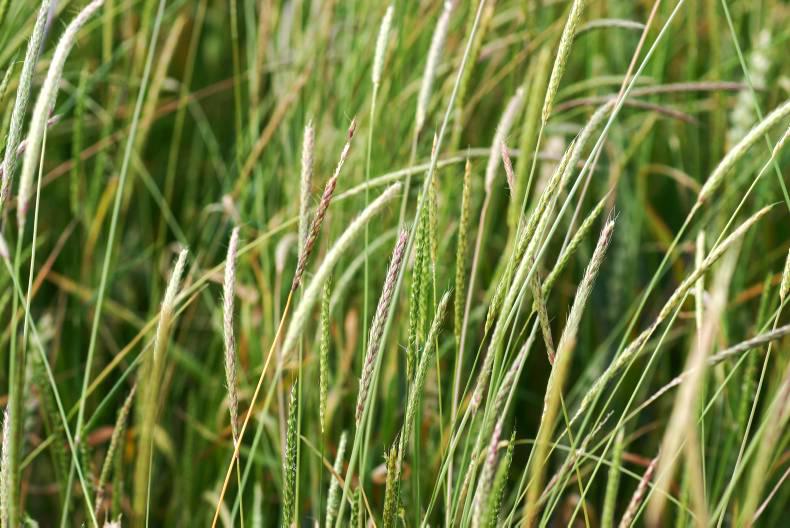
Black-grass (Alopecurus myosuroides), found mostly in the east of the UK, has spread to the north and west of the UK in straw and on contractors’ machinery. Herbicides no longer provide reliable control of black-grass due to multiple herbicide resistance occurring on 98% of farms with cases present in England.
Speaking at the National Tillage Crops Conference in Kilkenny on Thursday, Dr Sarah Cook from ADAS UK Ltd urged farmers to learn from the mistakes made by English farmers in trying to manage black-grass by moving towards the cultural control of weeds.
Some 21% of farmers affected by black-grass are spending over €120/ha on herbicides to control it, but yield losses can still be high.
“The answer to weed control is not in a herbicide because in the long run that will lead to resistance,” said Cook. “We need to understand how the weed grows and reproduces, identifying weak points in its lifecycle.”
Cultural control
Ploughing is proven to control black-grass in winter wheat – when used in the UK an average of 70% reduced emergence of black-grass was achieved.
“But farmers in England have forgotten how to plough,” said Cook. “You have to get a full inversion for it to work.”
Other forms of cultural control include:
Delaying drilling.Higher seeding rates.Competitive cultivars.Spring cropping.Fallowing.By managing the weed seedbank you can encourage weeds to germinate by changing crop type, cultivation timing and drilling dates. Ultimately the aim is to prevent weeds from setting and shedding seed.
“English farmers turn the crop into silage when black-grass emerges to stop the seed returning,” said Cook. “Every time you disturb the soil you trigger weed germination. So if you cultivate at different times and plant different crops you will get different weeds.”
Cook went on to point out that “continuous ploughing is not the answer”. By ploughing in two consecutive years, she said, you are ploughing up the seeds you put down into the soil in the first year. So she recommends that you don’t plough in year two, but plough in years three and six.
“Think what you did in the last few years,” said Cook. “Make sure you’re not ploughing up what you ploughed down last year. Thinking about where your seeds are in the profile will influence your choice on depth of cultivation and type of cultivation,” she said.
Read more
High yields and cost of production 'in the hands of the growers', farmers told
Black-grass (Alopecurus myosuroides), found mostly in the east of the UK, has spread to the north and west of the UK in straw and on contractors’ machinery. Herbicides no longer provide reliable control of black-grass due to multiple herbicide resistance occurring on 98% of farms with cases present in England.
Speaking at the National Tillage Crops Conference in Kilkenny on Thursday, Dr Sarah Cook from ADAS UK Ltd urged farmers to learn from the mistakes made by English farmers in trying to manage black-grass by moving towards the cultural control of weeds.
Some 21% of farmers affected by black-grass are spending over €120/ha on herbicides to control it, but yield losses can still be high.
“The answer to weed control is not in a herbicide because in the long run that will lead to resistance,” said Cook. “We need to understand how the weed grows and reproduces, identifying weak points in its lifecycle.”
Cultural control
Ploughing is proven to control black-grass in winter wheat – when used in the UK an average of 70% reduced emergence of black-grass was achieved.
“But farmers in England have forgotten how to plough,” said Cook. “You have to get a full inversion for it to work.”
Other forms of cultural control include:
Delaying drilling.Higher seeding rates.Competitive cultivars.Spring cropping.Fallowing.By managing the weed seedbank you can encourage weeds to germinate by changing crop type, cultivation timing and drilling dates. Ultimately the aim is to prevent weeds from setting and shedding seed.
“English farmers turn the crop into silage when black-grass emerges to stop the seed returning,” said Cook. “Every time you disturb the soil you trigger weed germination. So if you cultivate at different times and plant different crops you will get different weeds.”
Cook went on to point out that “continuous ploughing is not the answer”. By ploughing in two consecutive years, she said, you are ploughing up the seeds you put down into the soil in the first year. So she recommends that you don’t plough in year two, but plough in years three and six.
“Think what you did in the last few years,” said Cook. “Make sure you’re not ploughing up what you ploughed down last year. Thinking about where your seeds are in the profile will influence your choice on depth of cultivation and type of cultivation,” she said.
Read more
High yields and cost of production 'in the hands of the growers', farmers told






SHARING OPTIONS