


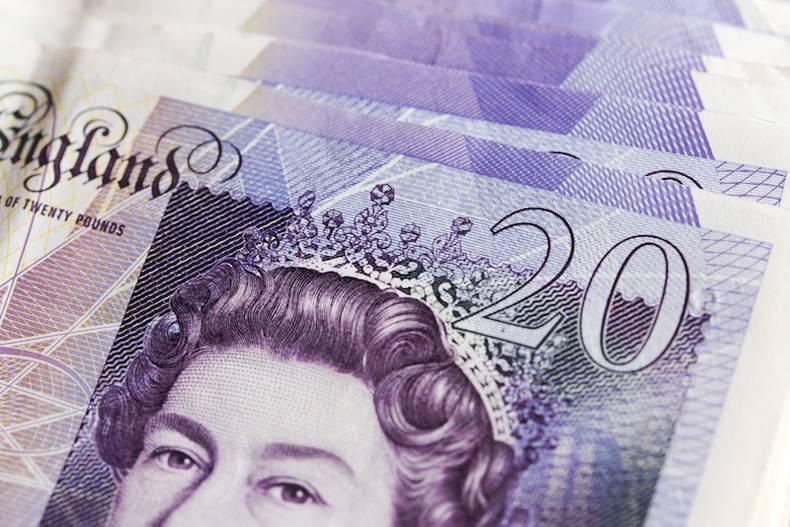
Irrespective of the long-term implications of the UK vote to leave the EU, in the short term the Brexit vote of 23 June is set to deliver a significant indirect boost to subsidy payments coming to NI farmers this year.
Sterling has been under pressure against the euro since June, dipping to a three-year low against the euro last week at €1=£0.8714. Since then, it has regained strength to stand at €1=£0.8523 earlier this week, mainly on the back of the publication of positive short-term economic data for the UK.
However, despite some analysts suggesting that sterling’s post-Brexit problems are now behind it, the consensus seems to be that this is not the start of a significant recovery in the value of the currency against the euro.
Measures taken by the Bank of England earlier this month to prevent an economic slowdown, such as reducing interest rates to 0.25%, and buying government and corporate bonds, weakened sterling and markets are still wary of further measures that could come.
In fact, analysts at HSBC bank forecast this week that interest rates could be cut further to 0.10%, which could push the pound to parity with the euro by the end of next year.
The bank’s forecast for the third quarter of this year has the euro worth £0.88 and reaching £0.92 by the end of 2016.
With EU subsidy payments due to be converted from euro to sterling based on the average daily exchange rate during September, continued pressure on sterling over the coming weeks would bring a significant boost for NI farmers.






SHARING OPTIONS