


The Government has been called on to establish an income stabilisation measure for farmers in Budget 2018 by the Irish Co-operative Organisation Society (ICOS).
ICOS published its pre-Budget submission on Tuesday, outlining its priorities in advance of October’s budget.
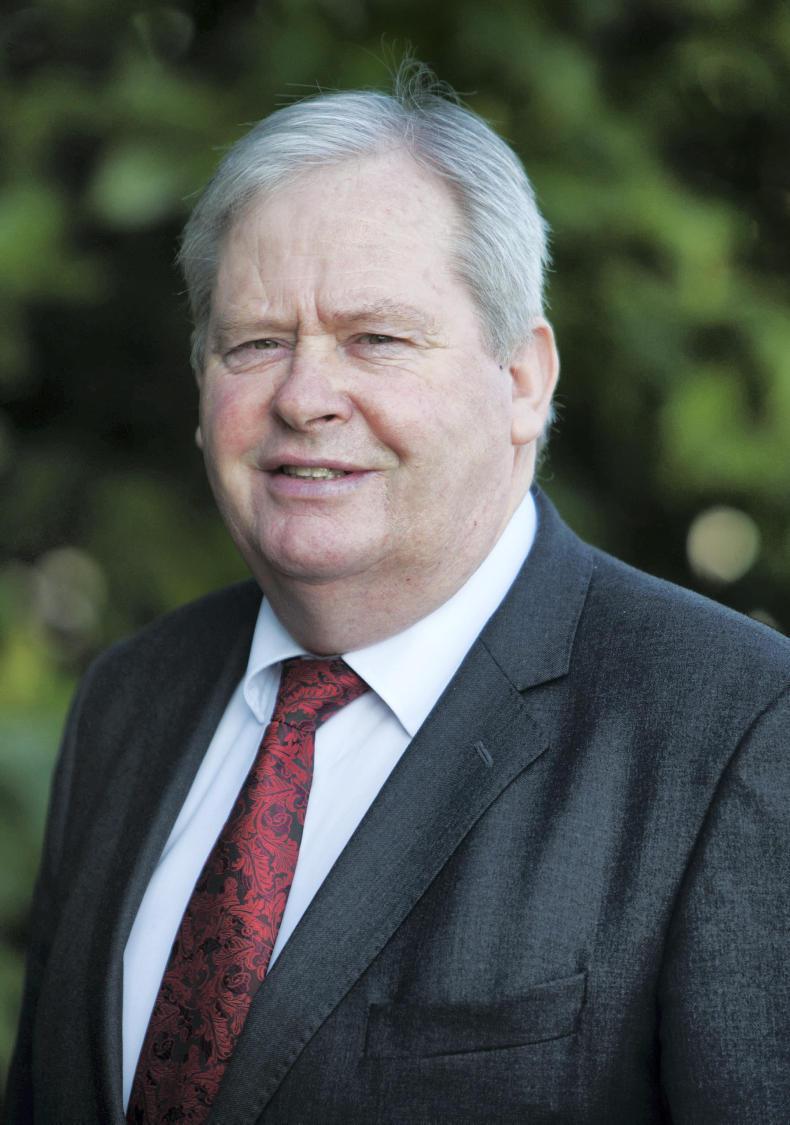
ICOS president, Martin Keane said: “ICOS is strongly urging the Government to announce the establishment of an income stabilisation measure whereby some income might be deferred in a period of high prices and drawn down in a period of lower prices.
“In last year’s budget, the Government committed to further consideration of such a measure. It is now time for its implementation.”
“ICOS is proposing that a farmer can enter into a voluntary agreement with their co-operative to defer up to 5% of their gross annual income.”
Martin Keane, ICOS.
“The deferred income will be held in an account for the specific purpose of the scheme and can be drawn down at any time and subject to income tax at the time of draw down.
“The proposal by ICOS can result in a significant stabilisation impact on the income of a typical family farm enterprise.”
Unprecedented uncertainty
Keane said that the adoption of Budget 2018 comes at a time of unprecedented uncertainty for the Irish agri-food sector.
“Brexit will result in a major upheaval as the UK accounts for 37% of Irish food and drink exports.
“Additionally, income volatility remains a significant threat to the achievement of the Food Wise 2025 Strategy.”
Post-Brexit
The ICOS pre-budget submission also outlines a range of measures to assist the agri-food sector to adopt to a post Brexit scenario.
Keane added that the Government must include measures in Budget 2018 to deal with the unparalleled threat to the Irish economy by the UK’s decision to exit the EU including current Brexit related Sterling weakness.
“ICOS is calling for increased funding for key State agencies such as Bord Bia and Enterprise Ireland to support the promotion of Irish agri-food exports on new markets and product diversification.
“The Government should also investigate the requirement for a national export credit scheme to assist businesses in expanding to new global markets.
“Further, the greater utilisation of EIB financing by the agricultural sector and rural businesses must be prioritised.”
Livestock marts
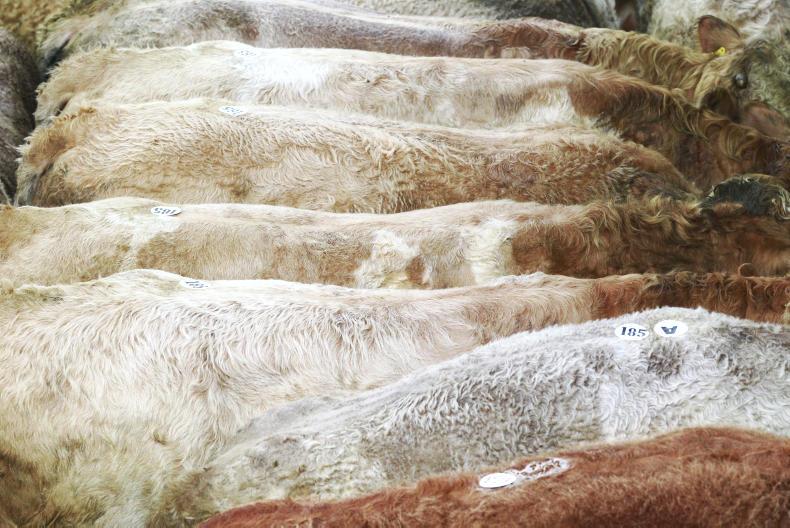
Meanwhile, ICOS has again called for specific support for livestock marts in its pre-Budget submission.
“There are many challenges facing the marts sector including increased costs such as insurance and local authority rates.
“ICOS reiterates its call for the Government to introduce a fairer system of rates collection for marts based on the number of days trading annually, rather than the standard method.”
Calls for €500m in low-cost loans
Listen: IFA calls for €50 extra/cow and €5 extra/ewe in budget




SHARING OPTIONS