


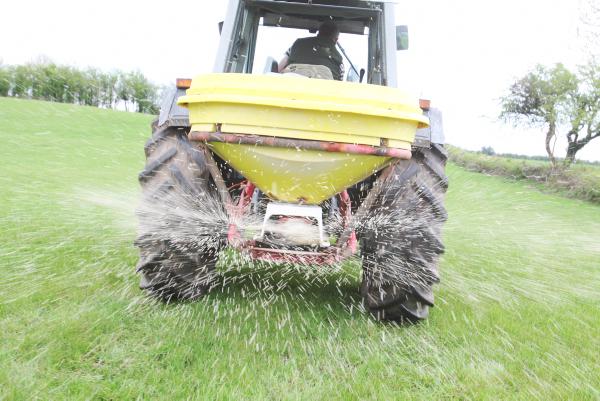
The drier weather this week has kick-started buying interest in fertiliser. Up to now, most deals had been done by purchasing groups or for full loads.
With sales reported to be back 60% to 70% on the same time last year, merchants sitting on stock are anxious to move it, especially as the market is weakening.
This expectation is also seeing them slow to order in large volumes of stock that could turn out to be expensive. With increased demand and tight local supply, it could lead to a delay in delivery, so order early to make sure you have fertiliser in the yard.
Prices have been easing over the spring. International CAN prices have edged lower in recent days, despite manufacturers’ attempts to stabilise them.
The recent IFA fertiliser price survey (Figure 1) confirms prices seen in recent week. Bulk urea delivered in full loads is as low as €308/t in north Leinster. Big bags of granular urea are as low as €338/t in north Leinster and €345 to €355 in the rest of the country.
There is huge variation, with farmers in Connacht quoted as high as €425/t, presumably for smaller loads on credit.
In Northern Ireland, urea is quoted as low as £255/t for full loads. With the exchange rate going to 79p:€1, this equates to €322/t and is offering value for southern farmers close to the border while the current stocks last.
The price of CAN has slipped to as low as €258/t in north Leinster according to the IFA survey. The best prices in Connacht are €275/t, but again there is huge variation, with up to €325/t charged is some cases.
SulphaCAN has been priced at €280 to €300/t. The price for 27:2.5:5 ranges from €370/t to €430/t, while 24:2.5:5 goes from €376/t to as high as €450/t in some areas. 10:10:20 is selling for €395/t to €460/t and 18:6:12 is making €386/t to €445/t
Straight potash starts at €380/t, but some deals have been done at €365/t. One farmer who contacted me got 0:7:30 spread at three bags/acre for €397/t.
For more speciality products, deals have been done on Richland at €365/t and Sweetgrass at €272/t – payment credit was three or four months.
One price I got from Northern Ireland for Sweetgrass was £205/t. This works out at €259/t at an exchange rate of 79p:€1.
IFA input team leader James McCarthy said that buyer groups are once again buying at a significant discount to individual buyers as the trade fights for good business.
He said co-ordinating delivery of full loads among neighbouring farmers can reduce transport costs by up to €10/t, so farmers should look at setting up informal groups to maximise savings.
Shop around
Make sure you shop around and agree not just a price, but payment terms. Most merchants are giving one to four months’ credit for payment. If no price is negotiated, the fertiliser goes on account at a high price and the interest charges start.
Farmers might get the interest knocked off, but will find it hard to negotiate a good price when they do go to pay.
Have you got a better deal on fertiliser this spring? Let me know by sending a text to 087-236 2293.
Fuel prices steady
After jumping by over 2c/litre last week, fuel prices have remained steady since the start of this week. Green diesel is trading at 47c to 49c/l, with kerosene trading at 45c to 47c/l in some areas. Car diesel can still be bought below €1/l for larger volumes.
Straw, hay and silage prices
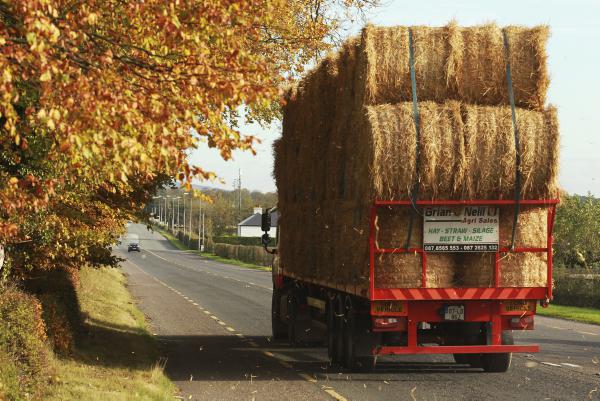
The trade for straw has increased this week. Prices for round bales have lifted, with most farmers now looking for €10 to €12/bale out of the shed. Many farmers in the west are paying €16 to €20/bale, depending on destination. 8x4x3 bales can still be bought for €20 to €22/bale out of the shed.
The trade remains very slow for hay, with 4x4 bales sold for €20 each and horse hay up to €25. A small number of round bales of silage have started to move at €16 to €18 each. The good weather has seen more fodder beet pulled. The demand is good and it is trading from €30 to €40/t out of the yard.





SHARING OPTIONS