


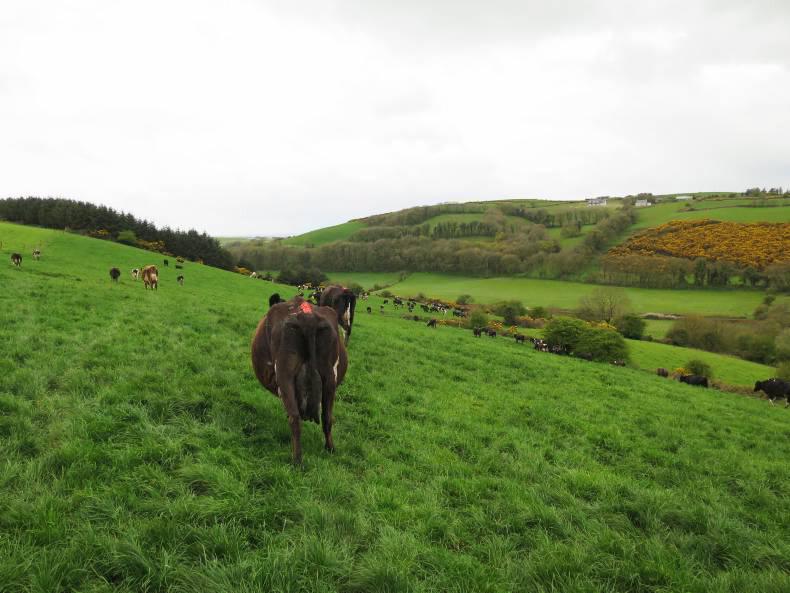
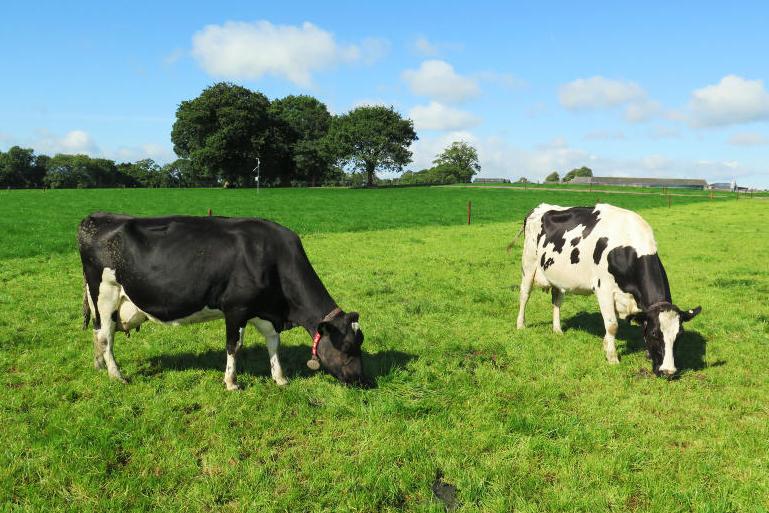
Grazing: This is the week when most farmers would be hoping to get freshly calved cows out grazing. After all the rain over the last three months, it goes without saying that ground conditions are challenging and, as a result, there aren’t many cows out yet. As described on pages 38 and 39, the nutritional and financial benefits of spring grass are enormous, so even getting cows out grazing for a few hours will have huge benefit.
At a farm walk in Clare on Tuesday, the host farmer, who had completed a farm walk the day before, couldn’t believe how quickly the land dried out in the space of 24 hours, even though Tuesday was a wet and blustery day. So, the message is to walk the driest parts of your farm every day to assess ground conditions and get cows out as soon as possible. Freshly calved cows will have a total intake of between 8kg and 10kg DM, so the amount of grass to be allocated in the first few weeks will be low, but it increases steadily by 1kg/week.
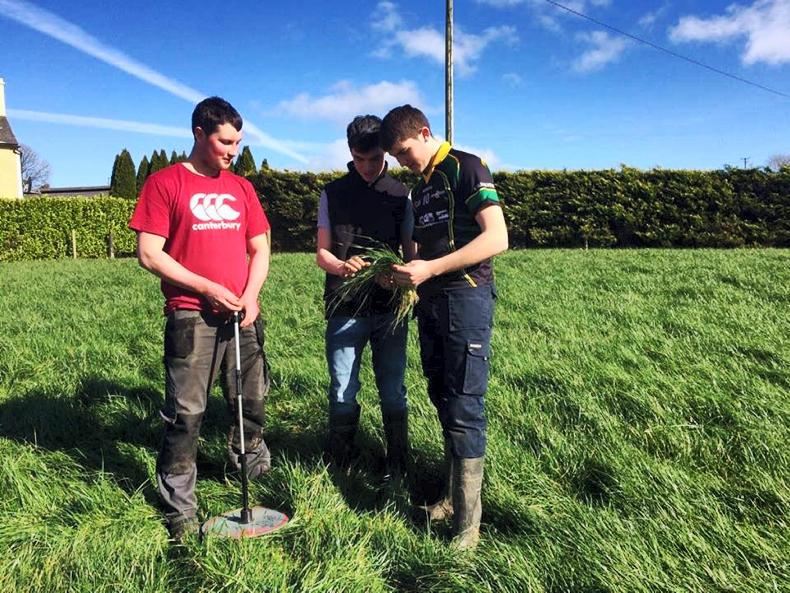
If doing a grass measurement through cutting and weighing, take note that grass dry matters are lower this spring than normal as a result of more active growth during the winter. Grass dry matters are between 15% and 16% in Moorepark this week and crude protein is between 22% and 30%. There is also a bit more die-back being observed in high covers over the last few weeks, with leaves turning yellow and decaying. This tends to be caused by a lack of nitrogen and sunlight in heavy covers. Applying 23 units nitrogen and grazing over the next few weeks will help.
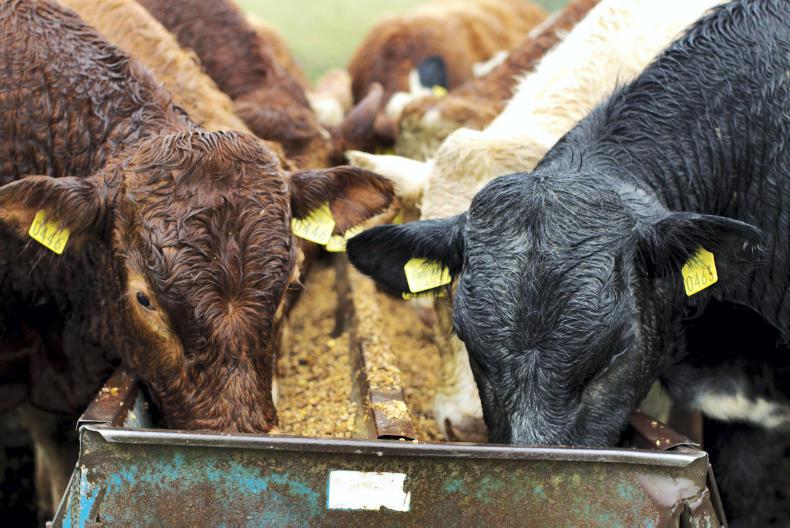
Maiden Heifers: Even though workload has increased in other areas, you cannot ignore management of the maiden heifers. Some farmers will stop feeding meal around now if they expect to get compensatory growth when they go out to grass, but you need to be certain that they are going to be going out within the next few weeks, otherwise growth rates will suffer. Best practice is to turn out the lightest heifers now. I know some farmers who turn out the lightest 20% to grass early, set stocking them on outlying silage fields and they get really good thrive. At 12 months of age, maiden heifers should be 50% of their mature liveweight. The target at breeding is to be 60% of their mature liveweight.
Kale: There are reports coming in of kale plants beginning to flower. Because the weather has been milder this winter, fodder crops such as kale and rape have continued to grow over the winter and are now at a more advanced stage of growth than normal for this time of year. While good from a crop yield perspective, if kale or rape crops flower they become poisonous to animals. I was talking to a farmer during the week who observed buds coming in his kale, something he normally wouldn’t see until April. To get as much grazed as possible before flowering, he moved extra young stock and dry cows on to the kale.




SHARING OPTIONS