


Managing money: More milk price cuts were announced this week. While there are some green shoots appearing overseas, we need to be realistic about our expectations of milk price for the rest of the year and for next spring. Many farmers went into 2016 with some buffer, whether it was capacity in the overdraft or a cash reserve built up in 2015. But if prices stay low until the year end, that buffer won’t be available for next spring – and simply hoping prices will increase in the meantime is not a good strategy.
You need to find out why you are short of cash. Is it because capital expenditure was paid for out of cashflow or is it because your herd is expanding and you are carrying extra youngstock and have young cows with lower output? Some farmers in these circumstances are looking into converting overdrafts into term loans, thereby freeing up the overdraft. The rationale for this is good because you could argue that capital expenditure or expansion should have been funded over a longer term to begin with.
Another reason for being tight for cash is if your system is structurally flawed, with costs too high. Extra finance can be sought in all cases, but if you’re in this category then it will be more difficult unless you have a clear plan to demonstrate how your cost base is going to change. The advice in all cases is to talk to your bank in time and have the finance arranged before you need it. Getting loan approval is slow, so act early. Availing of the interest-free loan from Glanbia is another option.
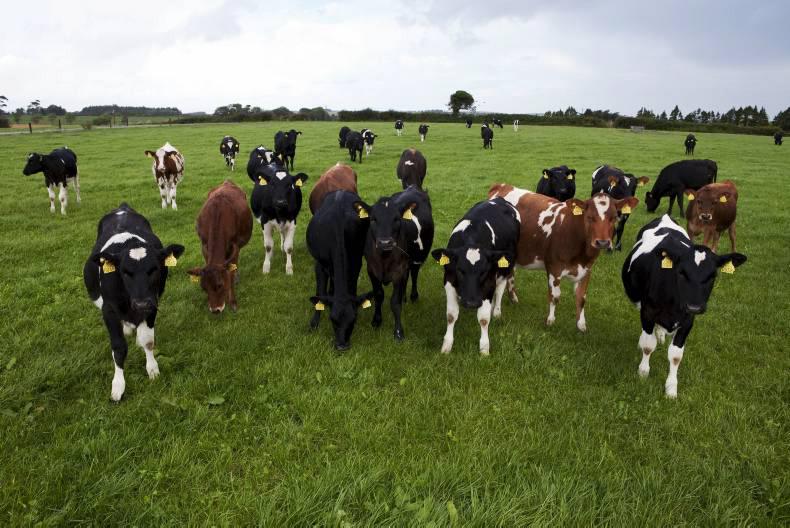
Flies: This warm and muggy weather is ideal for flies. Animals at most risk are dry or cull cows and maiden heifers. Animals grazing near watercourses or wooded areas are at higher risk because flies are more prevalent there.
Most farmers don’t start prevention with pour-on for flies until later in summer, but it may be necessary to start earlier this year. The pour-on keeps the flies away and helps prevent summer mastitis. Topical treatments such as Stockholm tar are available but are very messy and time consuming to apply.
Sheds: Now is the time to clean out, wash and disinfect calf and calving sheds. The longer these sheds are left idle and clean, the better. The surfaces of calf sheds should be power washed and disinfected. Outdoor cubicles should be cleaned and washed down. Once cleaned, the water coming from the cubicle area should be diverted to storm water drains as opposed to filling lagoons or slurry stores.
Use the summer months to do routine maintenance jobs around the yard. On most farms, it’s a case of repairing what is broken as the cheque book is out of bounds for buying new things. Don’t take short cuts on health and safety when doing repairs on the farm. Every summer, somebody gets killed or seriously injured whilst carrying out repairs on farm buildings. Working at height and working with electricity are particularly high risk.





SHARING OPTIONS