


UCD is the leading university in Ireland in relation to agriculture and has enjoyed a huge increase in demand over the last few years for agricultural related degree courses. This year, I hope to put all that I’ve learned so far into action as I begin the work experience element of my degree.
The professional work experience module (PWE) plays an integral role of my studies this year. Students are given a block release from college over a period of 20 weeks to complete a number of placements in a variety of different farming systems, agricultural companies and businesses. This runs concurrently from March to August and the hands-on practical nature of placement is a welcome change from our normal routine of lectures!
First placement
My first placement started last week on the farm of Ken Mathews, Killeigh, Co Offaly. Ken is a sheep farmer with a large herd of over 350 ewes. I had never worked with sheep before so I was excited to learn everything I could and gain some practical experience with lambing and rearing lambs.
Lambing season was in full swing when I arrived at the farm with about half the flock having lambed already. One of my first tasks was to assist the ewes at lambing. This was a great experience and a fantastic opportunity to see the lambing procedure first hand. Once a lamb is born, it’s navel is immediately sprayed with iodine to help prevent infections such as E.Coli or Navel Ill. Thankfully, we haven’t had much trouble with this so far.
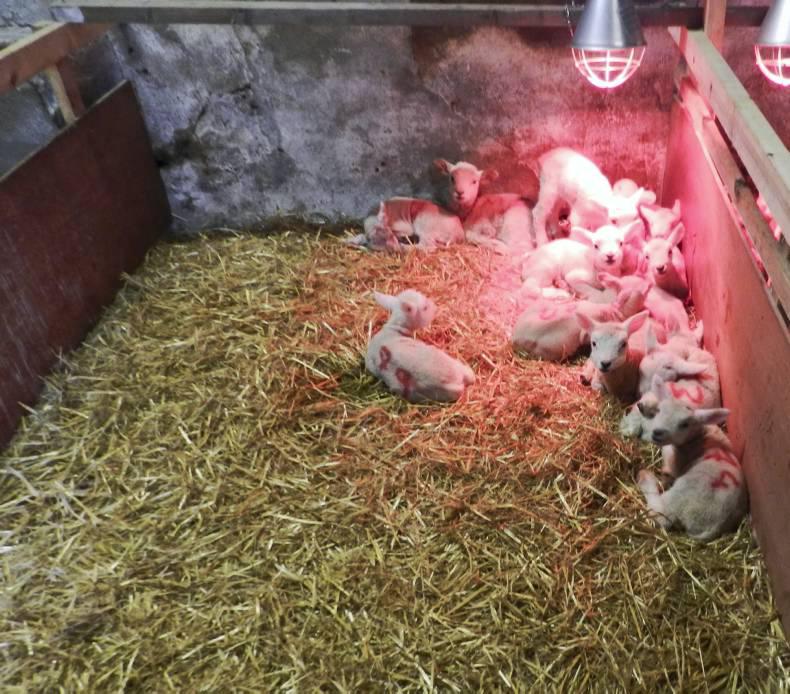
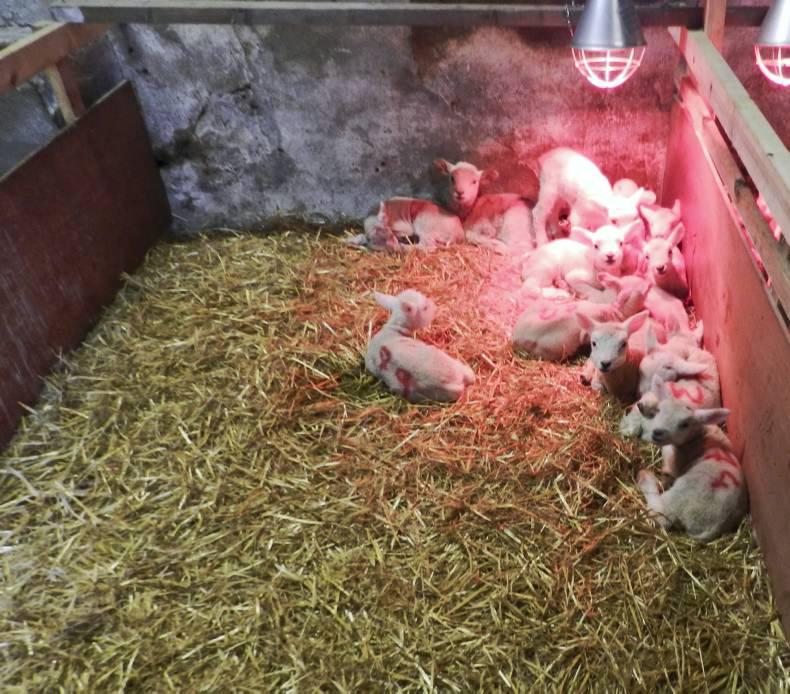
After a few hours the newborn lambs and mother is moved across to an individual pen. One of my most important jobs on the farm is to ensure that the lamb is suckling within the first couple of hours of birth. This isn’t always as straight-forward as it seems and it can be tricky to get the ewe to stand still and help the baby lamb to latch onto the teat. If there are triplets or quads I usually bottle feed the weakest of them as the ewe may not have adequate milk supply for them all. This is a job that needs a lot of patience but as the lambs are so cute it makes the job easier!
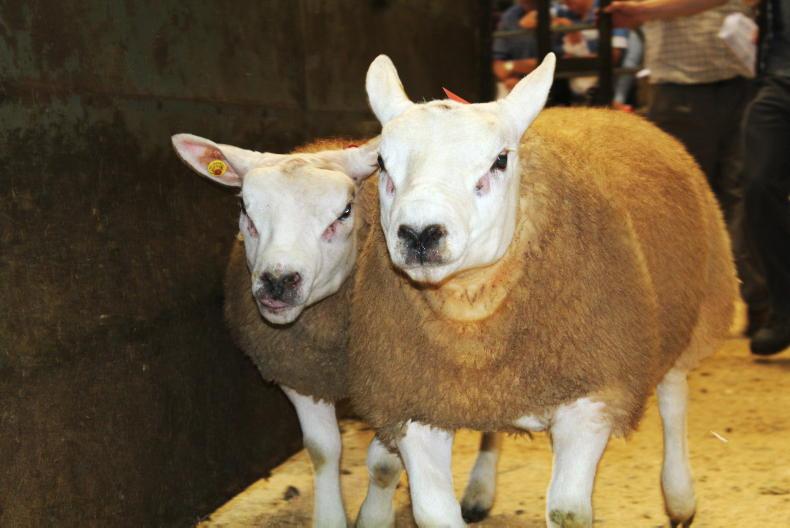
The majority of Ken’s flock are Suffolk Belclare crosses and as the Belclare breed are renowned for their prolificacy this means that there are quite a number of triplets and quads being born. This year in particular saw an increase in the number of quads born - at present we have around 25 sets! Subsequently, we have a large number of ‘pet’ lambs which are the weakest of the quads and triplets and are placed in large pens and fed by an automatic feeder that mixes and dispenses milk to them whenever they desire. Once all the lambs are trained, the machine is a huge benefit to Ken as it reduces the time it takes to manually mix and feed all the pet lambs.
My other chores include feeding daily concentrates and silage to the ewes, ringing lambs tails, tagging replacement female lambs and moving ewes and lambs to different pens as they get older. It is also vital to herd the flock every day. Sick or lame lambs or ewes can then be monitored and promptly treated with antibiotics although we haven’t had too much trouble with illnesses so far.
I’m half way through my placement and already I’ve learned an awful lot. There is no substitute for practical work with the sheep and I have gained a real insight into a new type of farming system. I’m looking forward to the remainder of my sheep placement and I’m keen to see how well all the lambs do as they are released to grass!




SHARING OPTIONS