Each week, the Irish Farmers Journal publishes the prices paid by factories the previous week for a range of grades. All factories killing above 20,000 cattle annually are required by law to report prices to the Department of Agriculture, Fisheries and the Marine, who in turn make the prices available to the Irish Farmers Journal for publication.
This week, we are using this price reported data from July 2015 to June 2016 to rank Irish price reporting factories on their annual performance.
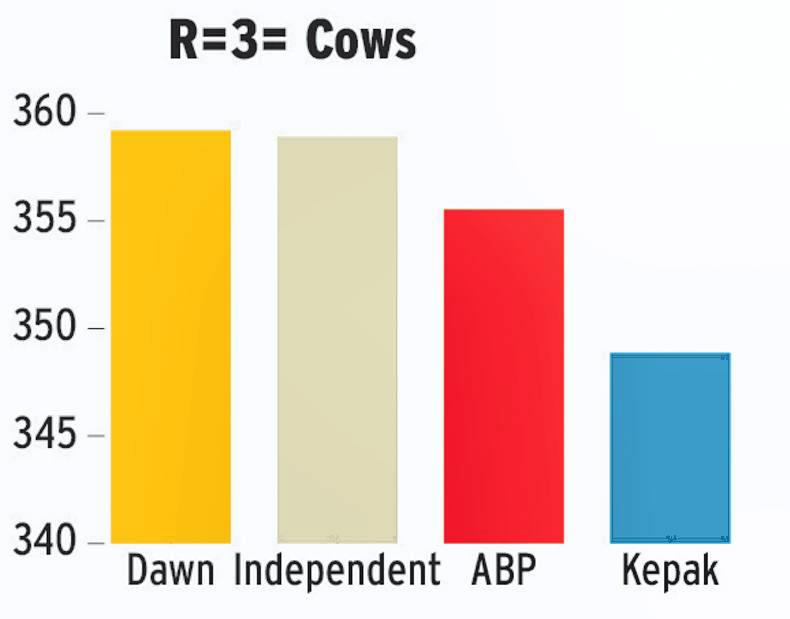
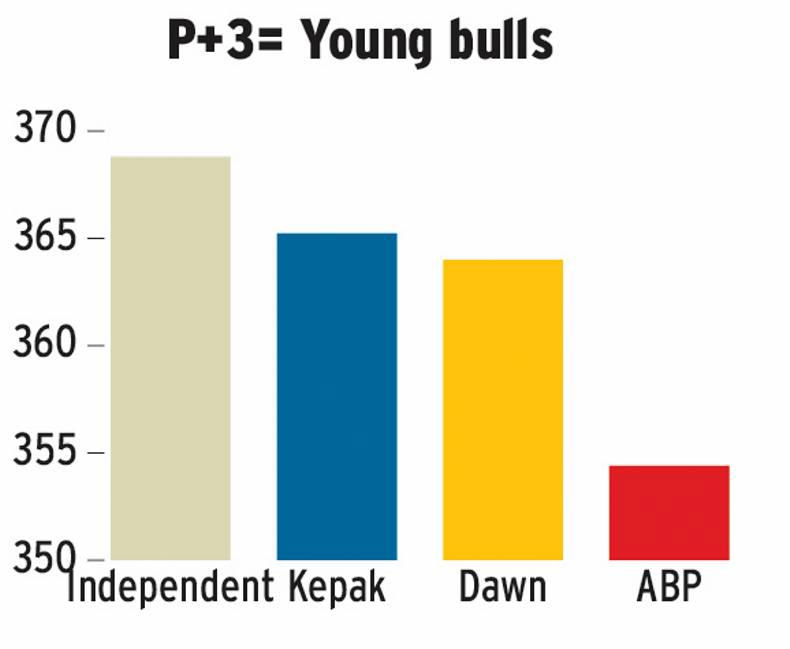
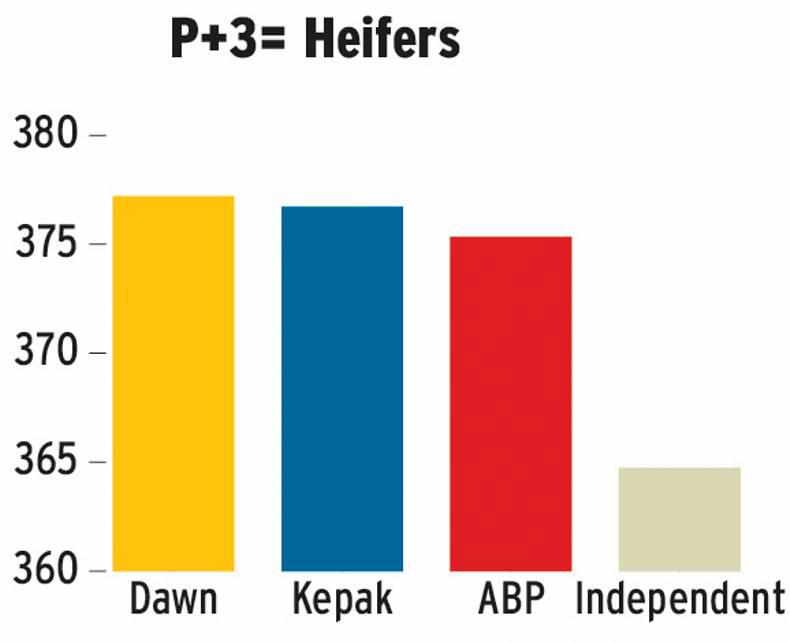
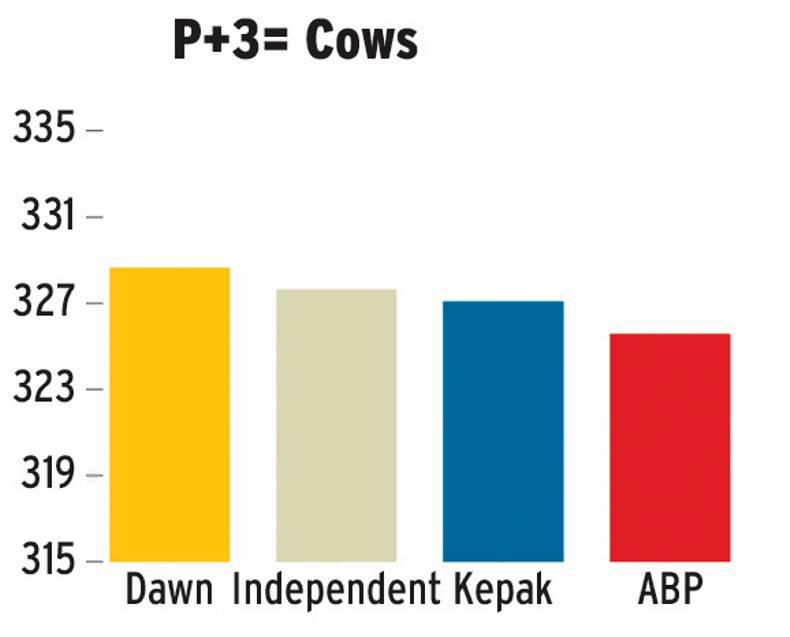
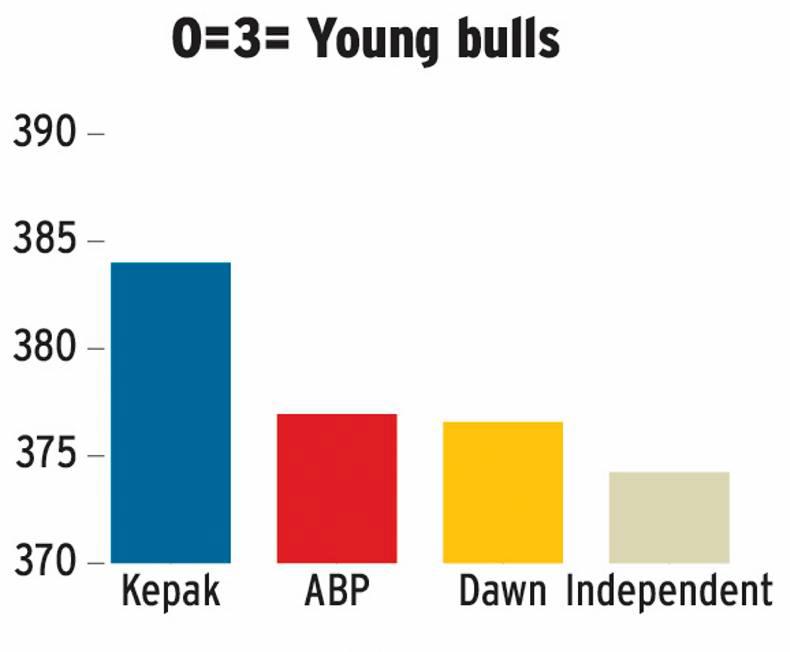
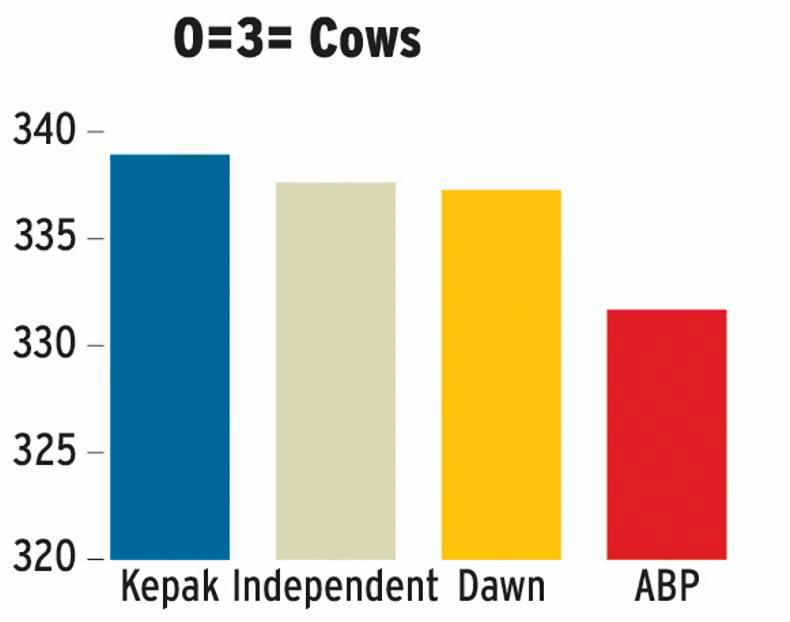
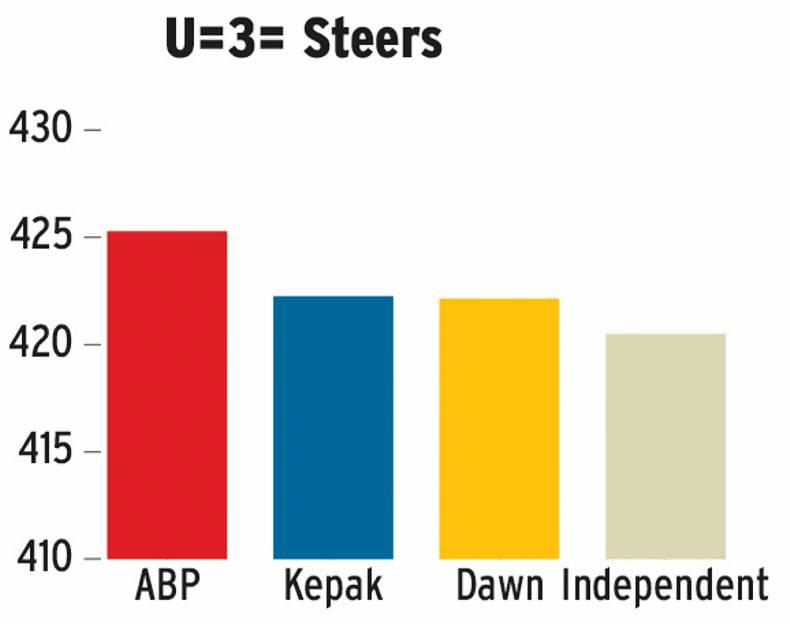
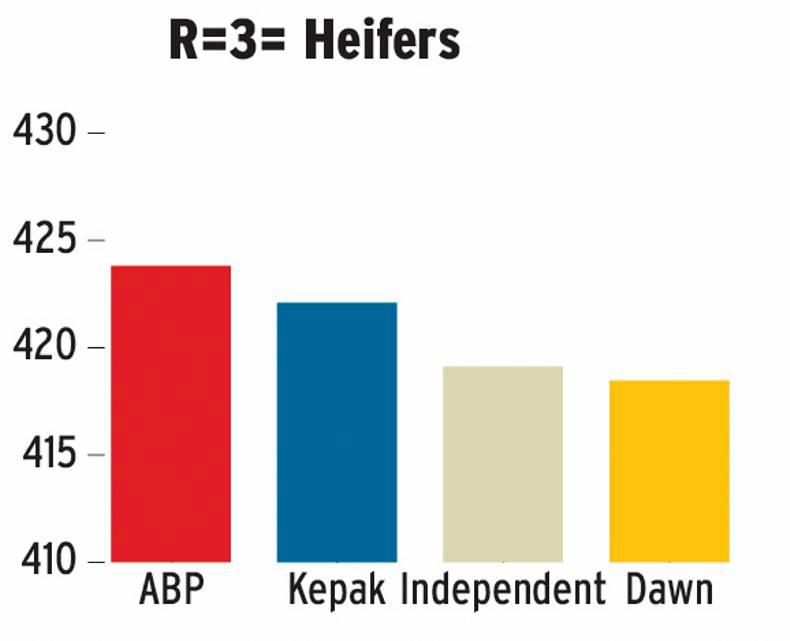
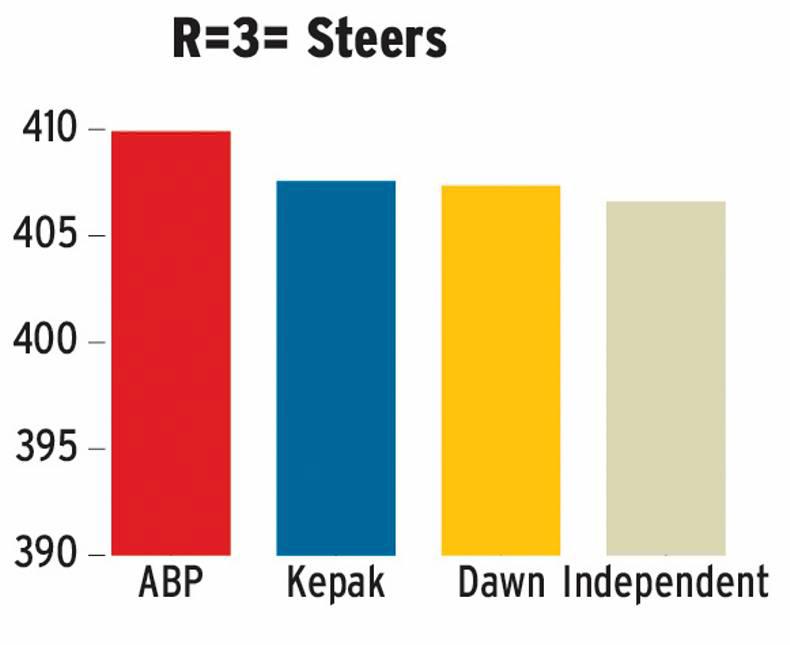
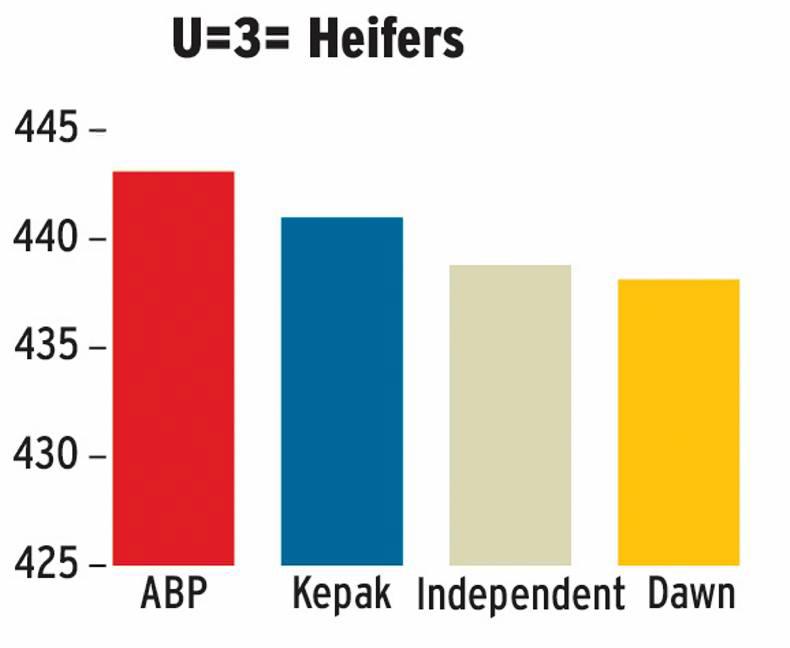
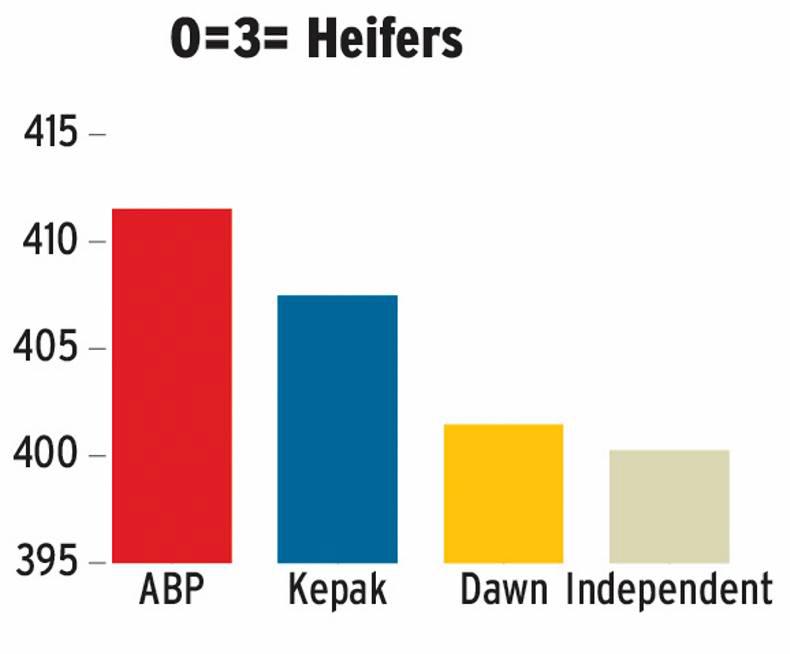
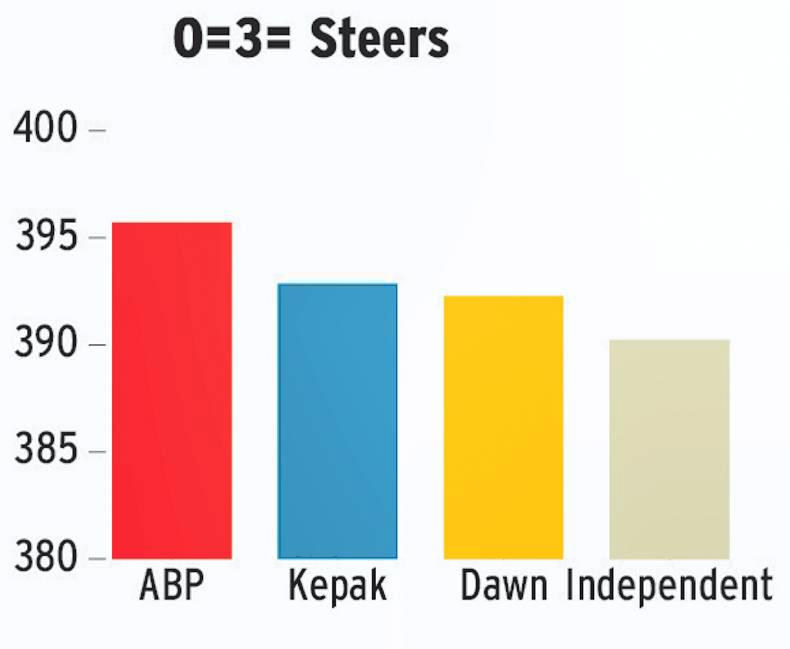
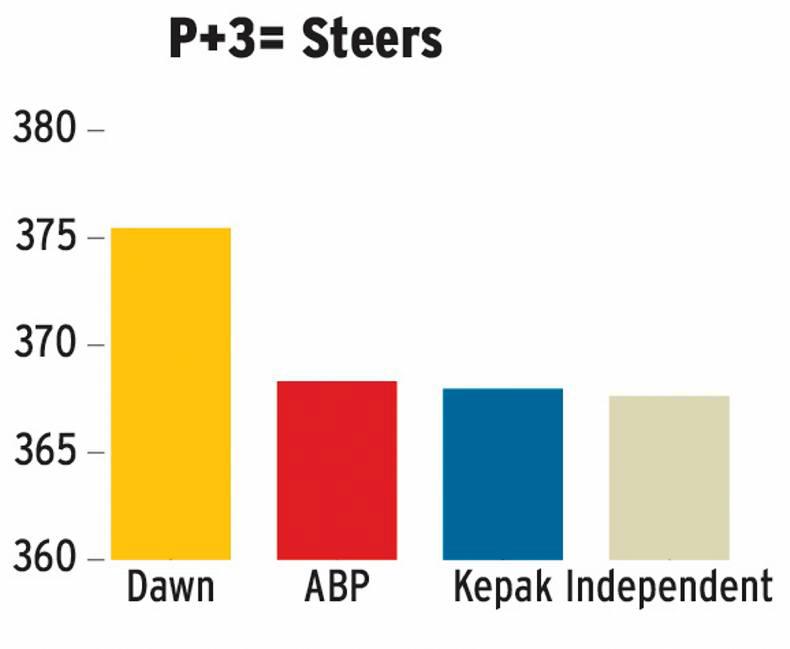
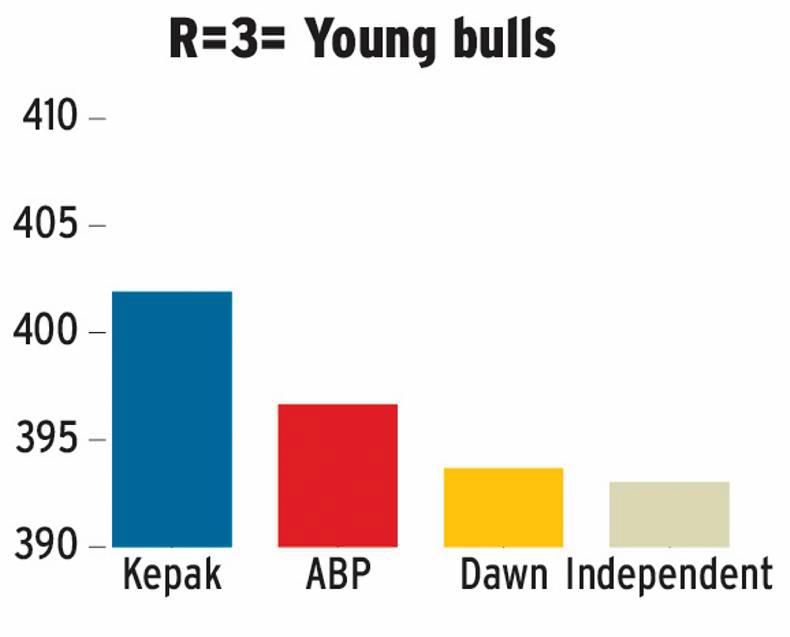
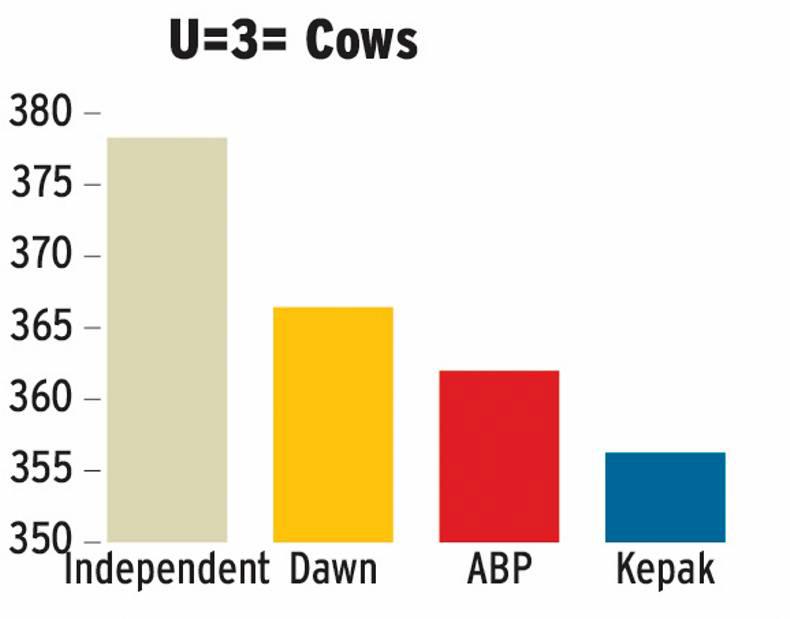
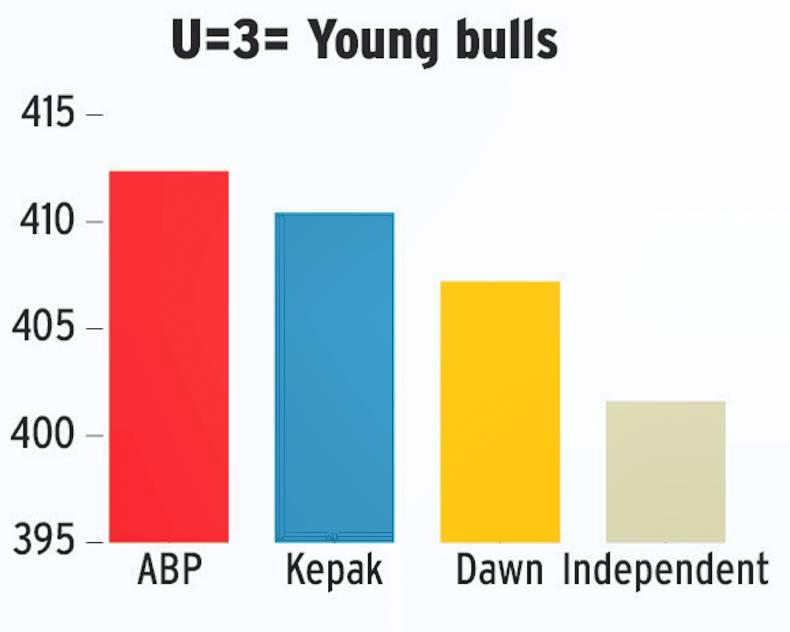
We assess each factory on the prices paid for steers, heifers, young bulls and cows on U=3=, R=3=, O=3= and P+3= grades and prices include VAT at 5%.
Factors influencing tables
Assessing the value received by farmers for their cattle is not as simple as looking at the ranking position in the table and prices paid for the type of stock referred to in the tables. The reason is that there are a number of factors that can influence the total price paid. These include:
Bonuses paid for speciality breeds such as Aberdeen Angus, Hereford or niches such as organic. Where a large number of these are included in a weekly price report, an overall higher price average for the relevant grades will be published than would be the case if they were not included.QPS 12c/kg bonus and specification penalties. Some factories are strict about specification and succeed in getting most cattle the way they want them and pay a stronger price than factories that are more tolerant on specification, but pay a lower overall price.Some factories have large numbers of their cattle come in on contracts or supply arrangements and many also have their own feedlots to source. In most of these cases, prices paid are higher than farmers might get when selling to the same factory. The higher overall price reported and showing in the table does not necessarily reflect what the farmer gets paid. Factory prices v main markets
The most striking price comparison for much of 2015 was the huge price gap that opened between Irish and British prices, peaking in November 2015 at over €300 per head. With the strengthening of the euro against sterling and the fall in British prices, this gap closed in the early part of this year and was eliminated for a short period in April. More recently, this has opened up again but is at a much lower level than previously, below the 10-year average of 27c/kg.
Irish prices ahead
Irish prices have stayed ahead of our next most important export destinations after the UK in France and Italy for much of the past year. This reflects a particularly weak market on the continent rather than a strong market in Ireland where prices were 20c/kg lower in June 2016 compared with July 2015.
This reflects a weaker global cattle market in general, with the US back the equivalent of €1.50/kg on the peak prices paid in the spring of 2015.
Australia is an exception to this trend with prices on par or higher than last year, while scarcity in Turkey has created an opportunity for live exports that Ireland will hopefully be able to capitalise on.
Each week, the Irish Farmers Journal publishes the prices paid by factories the previous week for a range of grades. All factories killing above 20,000 cattle annually are required by law to report prices to the Department of Agriculture, Fisheries and the Marine, who in turn make the prices available to the Irish Farmers Journal for publication.
This week, we are using this price reported data from July 2015 to June 2016 to rank Irish price reporting factories on their annual performance.
We assess each factory on the prices paid for steers, heifers, young bulls and cows on U=3=, R=3=, O=3= and P+3= grades and prices include VAT at 5%.
Factors influencing tables
Assessing the value received by farmers for their cattle is not as simple as looking at the ranking position in the table and prices paid for the type of stock referred to in the tables. The reason is that there are a number of factors that can influence the total price paid. These include:
Bonuses paid for speciality breeds such as Aberdeen Angus, Hereford or niches such as organic. Where a large number of these are included in a weekly price report, an overall higher price average for the relevant grades will be published than would be the case if they were not included.QPS 12c/kg bonus and specification penalties. Some factories are strict about specification and succeed in getting most cattle the way they want them and pay a stronger price than factories that are more tolerant on specification, but pay a lower overall price.Some factories have large numbers of their cattle come in on contracts or supply arrangements and many also have their own feedlots to source. In most of these cases, prices paid are higher than farmers might get when selling to the same factory. The higher overall price reported and showing in the table does not necessarily reflect what the farmer gets paid. Factory prices v main markets
The most striking price comparison for much of 2015 was the huge price gap that opened between Irish and British prices, peaking in November 2015 at over €300 per head. With the strengthening of the euro against sterling and the fall in British prices, this gap closed in the early part of this year and was eliminated for a short period in April. More recently, this has opened up again but is at a much lower level than previously, below the 10-year average of 27c/kg.
Irish prices ahead
Irish prices have stayed ahead of our next most important export destinations after the UK in France and Italy for much of the past year. This reflects a particularly weak market on the continent rather than a strong market in Ireland where prices were 20c/kg lower in June 2016 compared with July 2015.
This reflects a weaker global cattle market in general, with the US back the equivalent of €1.50/kg on the peak prices paid in the spring of 2015.
Australia is an exception to this trend with prices on par or higher than last year, while scarcity in Turkey has created an opportunity for live exports that Ireland will hopefully be able to capitalise on.





SHARING OPTIONS