I have been working on a project here on farms in Vietnam as part of the Alltech Dairy career Development Programme.
A government owned farm supply 51% of the milk to the Vietnamese market. There are 950 milking cows on this farm, with 10,000 cows spread across Vietnam.
I wanted to prove to the workers that their method of colostrum feeding is not good enough for a successful heifer rearing system. I travelled home at Christmas and purchased a stomach tube and blood sampling kit.
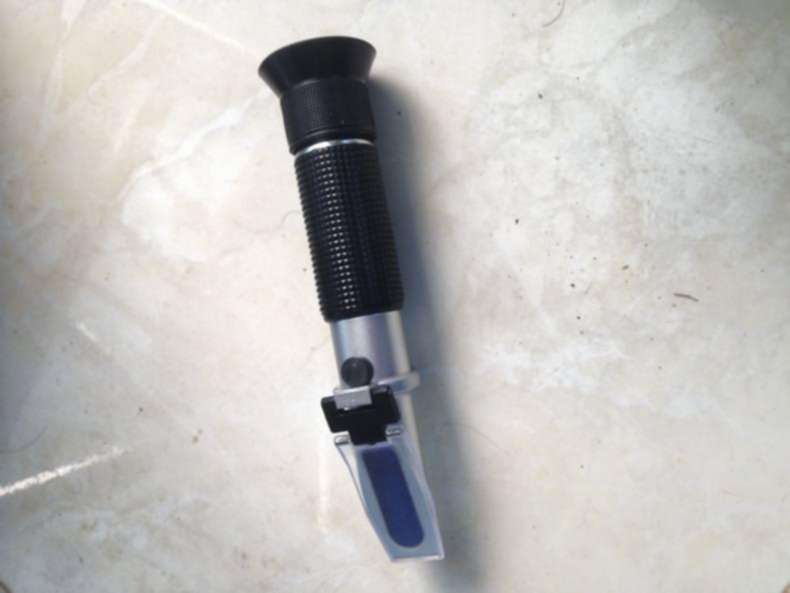
After taking blood samples I used a refractometer to test the total proteins in the serum of the blood of my separate calves. I was shocked by the difference, not expecting it to be that high, and the workers where very impressed. Let’s just say I may have to get some more stomach tubes shipped over.
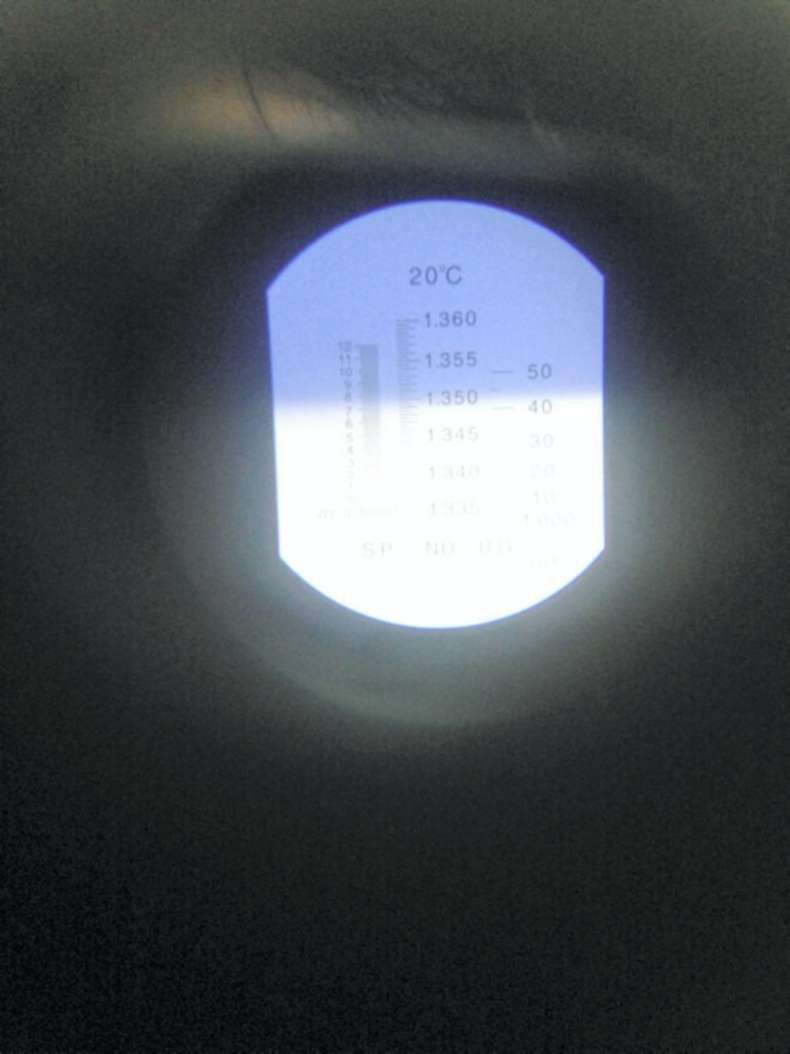
Pictures in the photo gallery are two calves blood tested at day five of life (all conditions similar).The main difference with these two calves is that one was stomach tubed with three litres of colostrum and the other was bottle fed and drank 1.5litres of colostrum within a half hour of life.
The scale on the left is the one we use to measure the serum total proteins (see photo gallery). The results are higher in calves that have absorbed immunoglobulins (antibodies) from colostrum in the first feed. A total of <5.5g/dL or lowers results in the calves' immune system weakening and becoming more susceptible to infection, with disease and performance is significantly reduced.
It is vitally important it is to get 3-4 litres of colostrum into the calf within the first hour of life. After the first hour of life, absorption of these immunoglobulins is significantly reduced. These heifer calves are the future of any dairy herd, don't give these calves an unnecessary set back!
I have been working on a project here on farms in Vietnam as part of the Alltech Dairy career Development Programme.
A government owned farm supply 51% of the milk to the Vietnamese market. There are 950 milking cows on this farm, with 10,000 cows spread across Vietnam.
I wanted to prove to the workers that their method of colostrum feeding is not good enough for a successful heifer rearing system. I travelled home at Christmas and purchased a stomach tube and blood sampling kit.
After taking blood samples I used a refractometer to test the total proteins in the serum of the blood of my separate calves. I was shocked by the difference, not expecting it to be that high, and the workers where very impressed. Let’s just say I may have to get some more stomach tubes shipped over.
Pictures in the photo gallery are two calves blood tested at day five of life (all conditions similar).The main difference with these two calves is that one was stomach tubed with three litres of colostrum and the other was bottle fed and drank 1.5litres of colostrum within a half hour of life.
The scale on the left is the one we use to measure the serum total proteins (see photo gallery). The results are higher in calves that have absorbed immunoglobulins (antibodies) from colostrum in the first feed. A total of <5.5g/dL or lowers results in the calves' immune system weakening and becoming more susceptible to infection, with disease and performance is significantly reduced.
It is vitally important it is to get 3-4 litres of colostrum into the calf within the first hour of life. After the first hour of life, absorption of these immunoglobulins is significantly reduced. These heifer calves are the future of any dairy herd, don't give these calves an unnecessary set back!








SHARING OPTIONS