


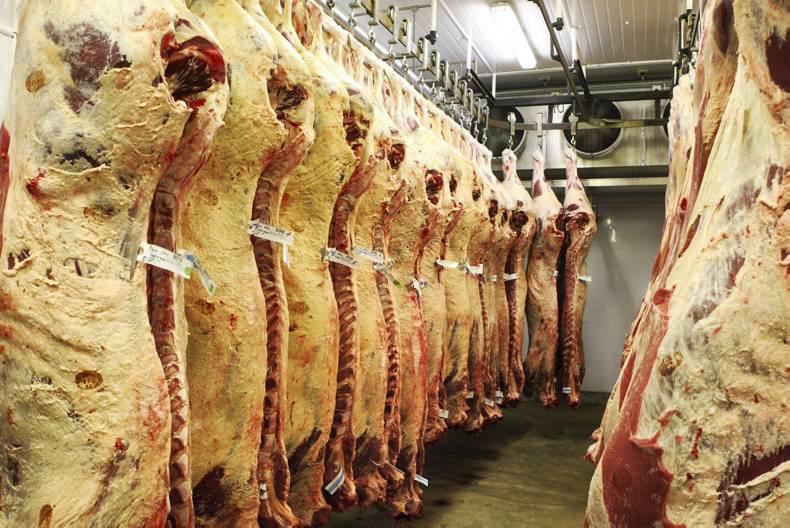
One of the architects of the Quality Payment System (QPS), commonly known as the beef grid, has said that the gap in payments between grades no longer reflects the yield and should have been increased as beef prices rose.
With prices rising 50% since the grid was introduced, Michael Drennan has told the Irish Farmers Journal that the value of each incremental rise in conformation should be 24c/kg instead of 18c/kg.
The differentials between grades reflected the beef price of the time, but beef prices have increased from around €3/kg to around €4/kg since the system was introduced.
The agreement for payment based on carcase grade (not meat yield) was based on a carcase dissection study carried out by Grange staff showing the relationship between meat yield and carcase conformation and fat scores. The results of the study showed that on a scale of one to five, a one unit increase in conformation score (eg O to R) increased meat yield by 3.5% and carcase value by 5.8%.Thus, based on beef prices at the time of the agreement, this one-unit increase in conformation score merited a premium of 18c/kg. However, using present beef prices, the price difference should be about 24 c/kg for a one-unit change in conformation score.
Markets specialist Phelim O'Neill discusses the proposal in our weekly podcast:
In order to obtain a wide range in carcase conformation scores, the steers used in the carcase dissection study consisted of the main breeds and breed crosses available in the country. Included in the 507 steer carcases dissected were 94 progeny, of known parentage, from the suckler herd (about seven or eight continental breeds) and 76 Holstein-Friesians. The average carcase weights of the suckler and dairy herd progeny were 404kg and 316kg respectively. Corresponding conformation scores were U- and O-, while both had similar fat scores of 3+. Progeny of the suckler herd had 6.2% more meat, 1.7% less fat and 4.5% less bone.
Using present beef prices, the suckler progeny are valued (based on composition) at 48c/kg of carcase more than the Holstein- Friesian.
Young bulls
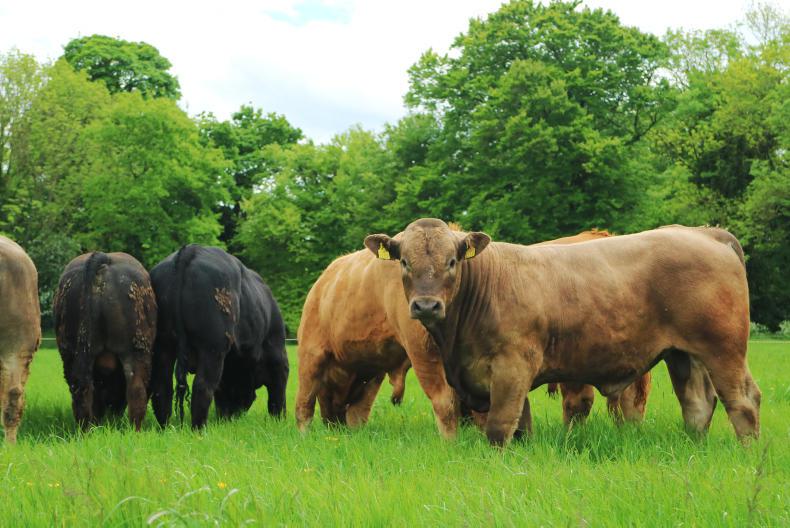
Drennan also championed the role of young bulls, referring to numerous studies showing that bulls grow faster than steers, produce carcases with a higher meat yield and are more efficient in converting feed to meat. Bulls were also included in the carcase dissection study and the results show that the estimation of carcase composition from conformation and fat scores also applies to bulls.
It is therefore important that bulls are also included in the payment system based on conformation and fat scores, which they haven’t been to date. However, the factories may have different thoughts here, with many claiming that they cannot get as much for beef from young bulls in the markets as they can for steers and heifers.
Drennan concludes by emphasising that it is in the long-term interest of the Irish beef industry to have a payment system that reflects the market value of the carcase. Price is the mechanism whereby the processor can indicate both to the farmer and those involved in beef improvement programmes the requirements of the market.
It is long accepted that composition is taken into account when deciding on milk and cereal prices. The viability of the suckler herd depends on a system in which the price reflects the value of the carcase and must thus take account of meat yield in addition to specific market requirements.
IFA National Livestock chairman Henry Burns said at the last beef forum, at which a review of the grid was raised, that the IFA made it very clear that there could be no price cuts or penalties imposed on farmers in any review. He said the factories have threatened in a review that the fat concessions secured on 4= and 4+, would be reversed. While nobody from Meat Industry Ireland was available for comment, we understand that factories would be in favour of a wide-ranging review covering wider specification issues.



SHARING OPTIONS