


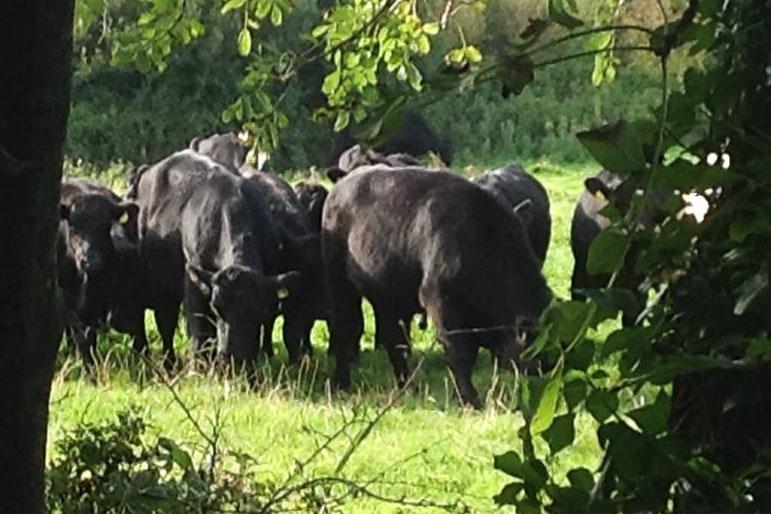
Frightful stories are circulating about the amounts of methane produced by our cattle. Uniquely In Ireland, ruminant emissions are greater than our energy or transport emissions. EU policymakers want us to reduce such emissions and it needs to be done regardless. Teagasc has responded by initiating many avenues of research ranging from slaughtering at earlier ages to altering diets and rumen flora. Into this mix of responses, I feel the once-calved heifer should be seen as a priority. Beef harvested from a once-calved heifer has little over half the carbon footprint of conventional single-suckler beef because the methane produced by the mother cow is eliminated.
Back in the seventies, there was a national policy to support a move to once-calved heifers. There were almost no single suckler herds in the country. The beef-bred, once-calved heifers were seen as a means to rapidly increase the supply of beef-bred cattle to the factories. At first, the factories supported it by offering an equal price for maiden heifers. Subsequently, EU intervention pricing was cited as the reason for the removal of this incentive and from then until now, the once-calved heifer beef has been unjustifiably suffering cow beef price.
The new focus on reducing the carbon footprint of our national beef product can allow the once-calved heifer to star again. For example, if once-calved heifers received the same prime beef price as maiden heifers, the size of our national suckler herd could be reduced by up to 25% with no reduction in our national production of prime beef. Along with this, there would be a similar reduction in the amount of methane produced and other benefits also.
Practical approach
A practical approach could see existing suckler-to-beef farmers mating the best 50% of their heifers to calve at two years. The calves could then be double-suckled on the best 25% of the cows, while their mothers would be finished and sold at under 30 months. Yes, it would increase the labour and complexity of the suckler system, but it would have compensating benefits in reducing the overhead costs associated with “carrying” adult cows for 12 months solely to produce and rear a calf. Cow numbers and their feed and maintenance costs could be reduced by up to 25%, while maintaining the same output, thus greatly improving profitability.
There would also be a bonus from the more rapid genetic improvement that could be achieved. It would also be possible for such a herd to reduce costs further by using the slack of intensity to “go organic” without any loss of output. Of course, the later maturing continental-bred herds would be less fit for this approach than Angus or Hereford.
Outcome
The interesting outcome would be a reduction in the carbon footprint of Irish beef. With good marketing, we could achieve a price premium with increasingly “climate-conscious” consumers. Added to the marketing mix could be the increase in “organic” and the good stories around the benefits of fully pastured beef v grain-fed beef. All of this could put a new brand of Irish beef, specifically harvested from organic, grass-fed, once-calved heifers, way out in front of its competitors and extract a significant price increase as well. It is an opportunity waiting to be grasped. All it requires is one pro-active exporter to guarantee to pay the top heifer price for beef-bred, once-calved heifers.
Why don’t we give it a try?



SHARING OPTIONS