Calving jack, ropes and lubricant; check. Jug, bottle and stomach tube; check. Iodine, teat spray and holy water; check! Milking machine and bulk tank; serviced and cleaned. Calf tags; ordered and received.
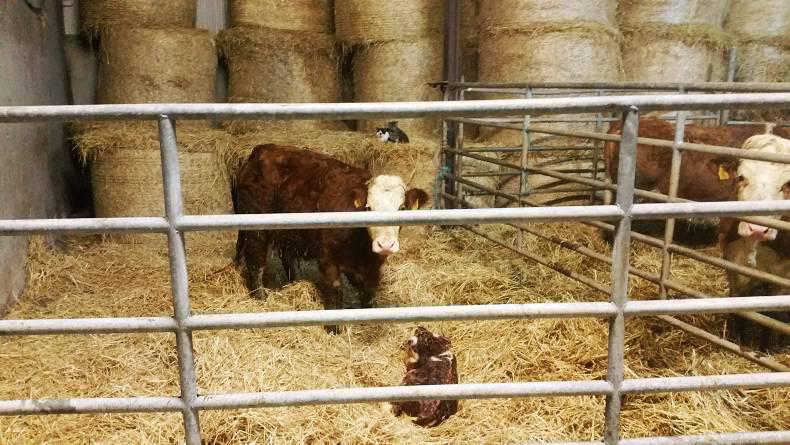
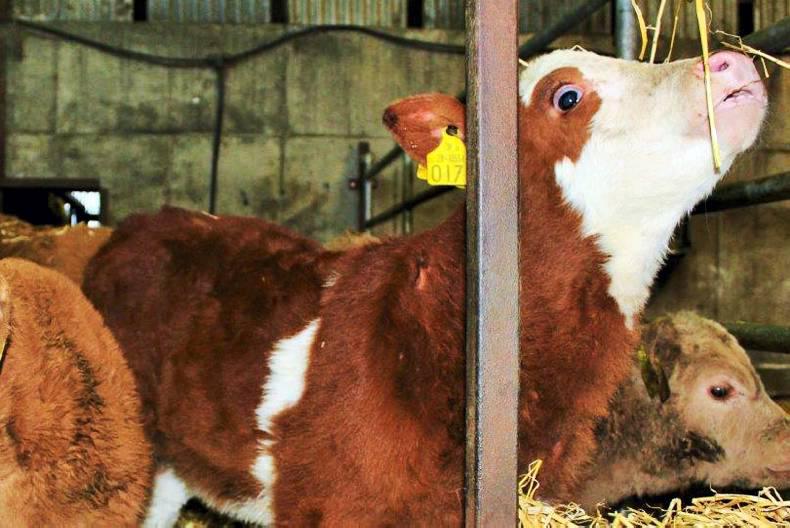
No matter how prepared I think I am for calving, it always seems to catch up on me unknowingly. Today, February 3 is our official predicted calving start date. However, our first calf of 2015 arrived almost a fortnight ago. In the interim, 15 cows have calved. So far, so good (touch wood!). All calves (10 heifers and five bulls) are alive and well, although the last calf born had a narrow escape. During examination of the calving cow, we noticed that the cotyledons of the cleanings were coming with the water-bag. I have seen this occur on two other farms and on both occasions the calf was born dead. Luck was on our side today and we managed to pull the newborn calf before it inhaled any foetal fluids.
I am not going to comment on the heifer to bull ratio, for fear that I will jinx us again this year! Last year we had 10 bull calves in a row and ended up with only 31% of our calves as heifers.
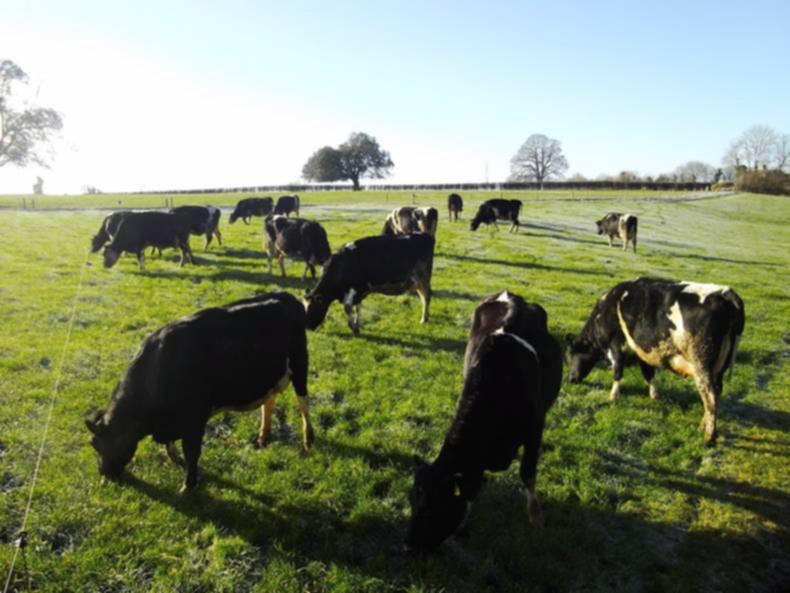
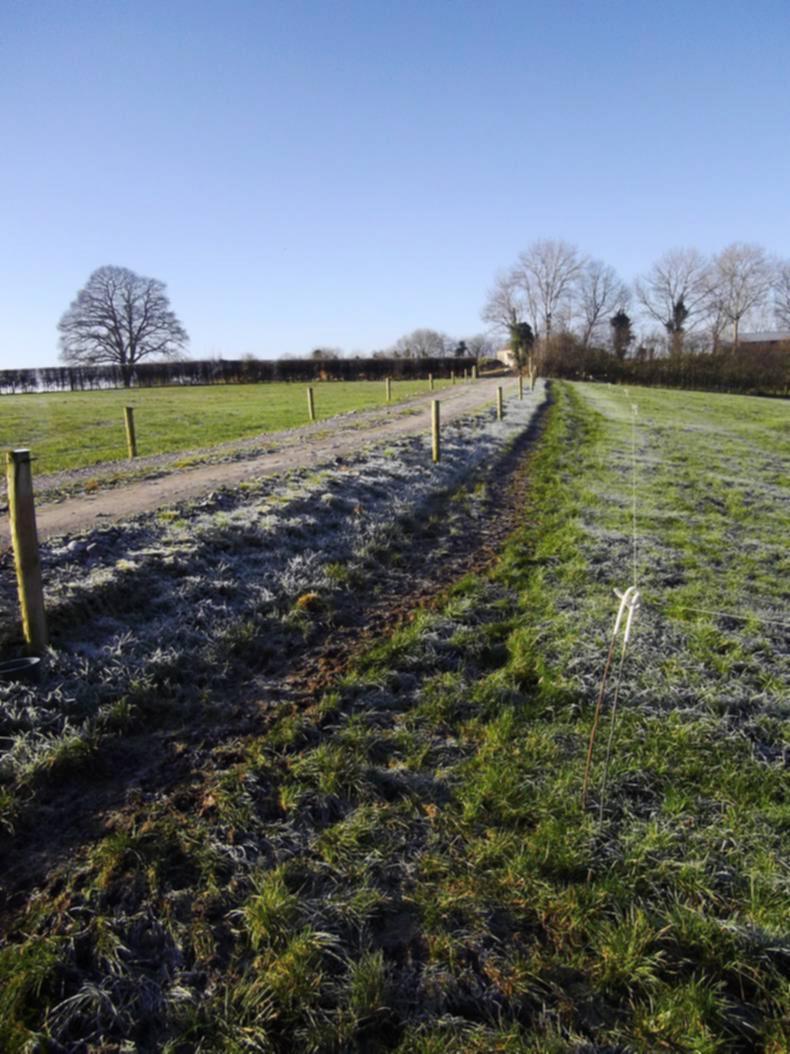
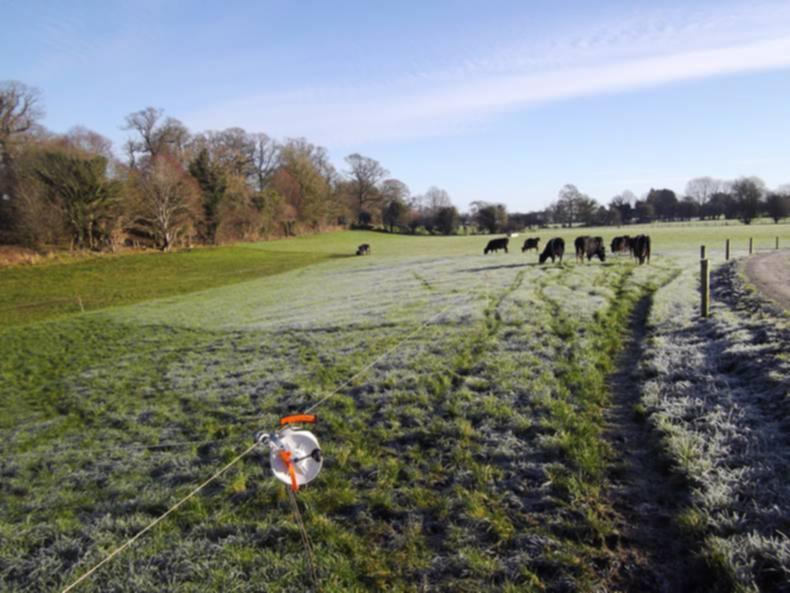
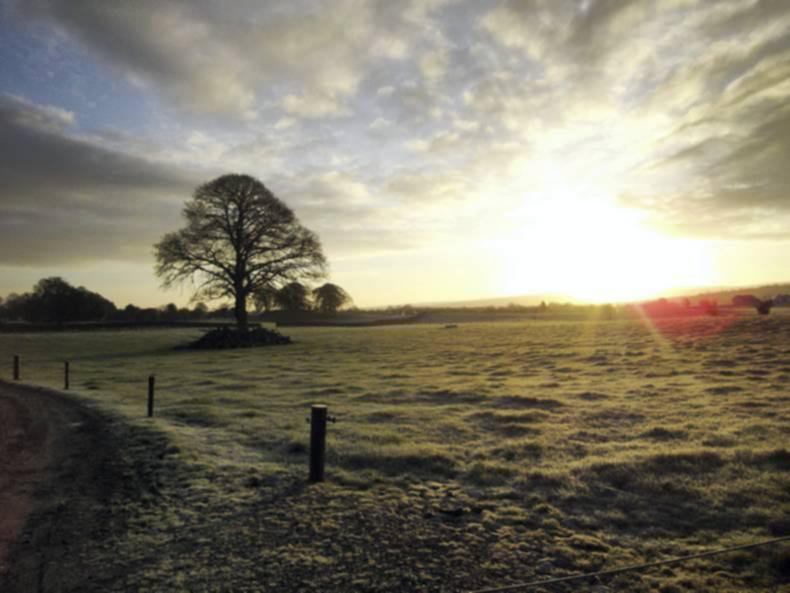
Thankfully, the weather has been very favourable to date. We have escaped most of the snow that fell recently across the country. This cold dry spell has provided excellent underfoot conditions to allow freshly calved cows out to grass by day and night. The stripe wires have been erected and cows are allocated 12-hour grazing blocks. They are also supplemented with 2kg of an 18% dairy nut and access to 74DMD baled silage before morning and evening milkings. The maternity group (cows closest to calving) are restricted-fed baled silage, dusted with cal-mag and fed 2kg of meal. All other February-calving cows are offered ad-lib pit silage (67DMD), dusted with pre-calver minerals and cal-mag. Last week, we introduced 1kg of meal to their diet. The later calving cows, housed on our out-farm, are eating moderate quality baled silage and minerals only.
Restricted feeding of the maternity group is practiced in a bid to encourage cows to calve during daylight hours. However it is not an exact science and we still check cows at night. This past week we installed another calving camera. Our yard is located half a mile away from our house so this observation-aid is crucial to our sanity during the busy calving season. The new camera cost €170. We believe it is money well spent, even with an unfavourable milk price forecast!
All predictions for the 2015 season point towards a substantial drop in price compared to last year. More than one person has asked me whether I am still confident with our decision to convert from beef to dairy, especially with a positive outlook for beef this coming year. Undoubtedly I am not the only new entrant asked this question. Without doubt, 2015 will be a financially challenging year. However, the decisions we have made, during our conversion, have been with milk price volatility in mind. We did our best to keep capital expenditure as low as possible and are implementing a predominately grass-based system (550kg of meal fed per cow last year). Our profit monitor for 2014 showed that our total cost of production (excluding own labour), for our first year in milk, was 22.95c/l. I am confident that with more prudent spending we can shave at least another cent off this total.
Milk price is out of our control. All we can do is concentrate on what we can manage; cows and costs. Our aim, over the calving season, will be to look after the cows as best we can and hopefully they will return the favour from April onwards.
Calving jack, ropes and lubricant; check. Jug, bottle and stomach tube; check. Iodine, teat spray and holy water; check! Milking machine and bulk tank; serviced and cleaned. Calf tags; ordered and received.
No matter how prepared I think I am for calving, it always seems to catch up on me unknowingly. Today, February 3 is our official predicted calving start date. However, our first calf of 2015 arrived almost a fortnight ago. In the interim, 15 cows have calved. So far, so good (touch wood!). All calves (10 heifers and five bulls) are alive and well, although the last calf born had a narrow escape. During examination of the calving cow, we noticed that the cotyledons of the cleanings were coming with the water-bag. I have seen this occur on two other farms and on both occasions the calf was born dead. Luck was on our side today and we managed to pull the newborn calf before it inhaled any foetal fluids.
I am not going to comment on the heifer to bull ratio, for fear that I will jinx us again this year! Last year we had 10 bull calves in a row and ended up with only 31% of our calves as heifers.
Thankfully, the weather has been very favourable to date. We have escaped most of the snow that fell recently across the country. This cold dry spell has provided excellent underfoot conditions to allow freshly calved cows out to grass by day and night. The stripe wires have been erected and cows are allocated 12-hour grazing blocks. They are also supplemented with 2kg of an 18% dairy nut and access to 74DMD baled silage before morning and evening milkings. The maternity group (cows closest to calving) are restricted-fed baled silage, dusted with cal-mag and fed 2kg of meal. All other February-calving cows are offered ad-lib pit silage (67DMD), dusted with pre-calver minerals and cal-mag. Last week, we introduced 1kg of meal to their diet. The later calving cows, housed on our out-farm, are eating moderate quality baled silage and minerals only.
Restricted feeding of the maternity group is practiced in a bid to encourage cows to calve during daylight hours. However it is not an exact science and we still check cows at night. This past week we installed another calving camera. Our yard is located half a mile away from our house so this observation-aid is crucial to our sanity during the busy calving season. The new camera cost €170. We believe it is money well spent, even with an unfavourable milk price forecast!
All predictions for the 2015 season point towards a substantial drop in price compared to last year. More than one person has asked me whether I am still confident with our decision to convert from beef to dairy, especially with a positive outlook for beef this coming year. Undoubtedly I am not the only new entrant asked this question. Without doubt, 2015 will be a financially challenging year. However, the decisions we have made, during our conversion, have been with milk price volatility in mind. We did our best to keep capital expenditure as low as possible and are implementing a predominately grass-based system (550kg of meal fed per cow last year). Our profit monitor for 2014 showed that our total cost of production (excluding own labour), for our first year in milk, was 22.95c/l. I am confident that with more prudent spending we can shave at least another cent off this total.
Milk price is out of our control. All we can do is concentrate on what we can manage; cows and costs. Our aim, over the calving season, will be to look after the cows as best we can and hopefully they will return the favour from April onwards.






SHARING OPTIONS