



It’s six o’clock on Monday. I’m trudging slowly through welly-swallowing mud towards a ring feeder surrounded by 10 saturated bovines. It’s pummelling rain and I’m lugging a bucket of mag nuts. It’s tetany weather. Calves stand hunched, wearing brown socks.
It’s six o’clock Thursday. I’m standing at the edge of the yard watching a trailer leave. There’s an eerie calm about. The hazy sun casts my shadow half-way down the lane. Yearling heifers, cows and eldest calves are heading for out-farms where plentiful, leafy pasture awaits. I wipe the sweat from my brow and head to feed the bulls.
My fortunes, and mood, had u-turned in 72 hours thanks to a glimmer of sun and a break in the rain.
The main shed is empty except for our beef bulls, who saw their menu modified this week. Maize meal now makes up 33% of their concentrate offerings. It’s feeding value is 6-7% greater than barley and it drives performance in the last 100 days of finishing.
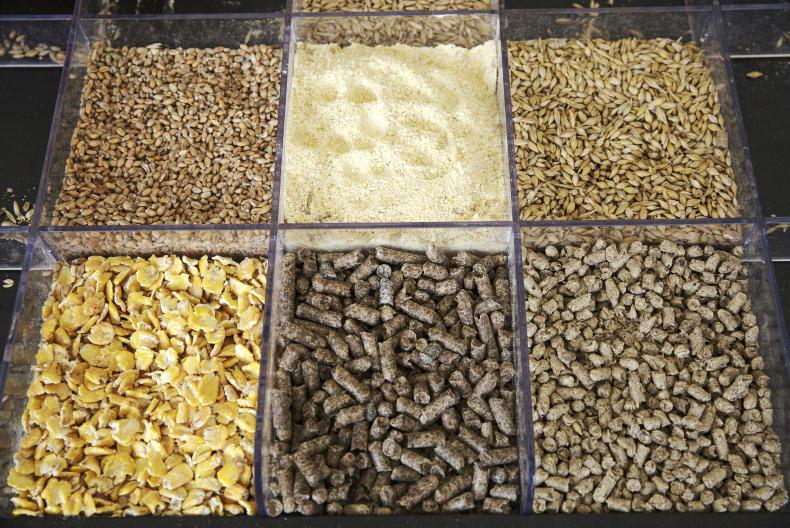
As a cereal, maize is safer than barley or wheat in terms of causing stomach upsets. However, maize meal is ground to a fine powder, which the animal’s stomach bugs ferment at a similar or quicker rate than rolled barley. Unless we are grinding our barley, replacing it with maize meal will not reduce the incidence of acidic stomach upsets. But, like all cereal-based feeds, it can be fed safely at a significant proportion of the diet with gradual adaption.
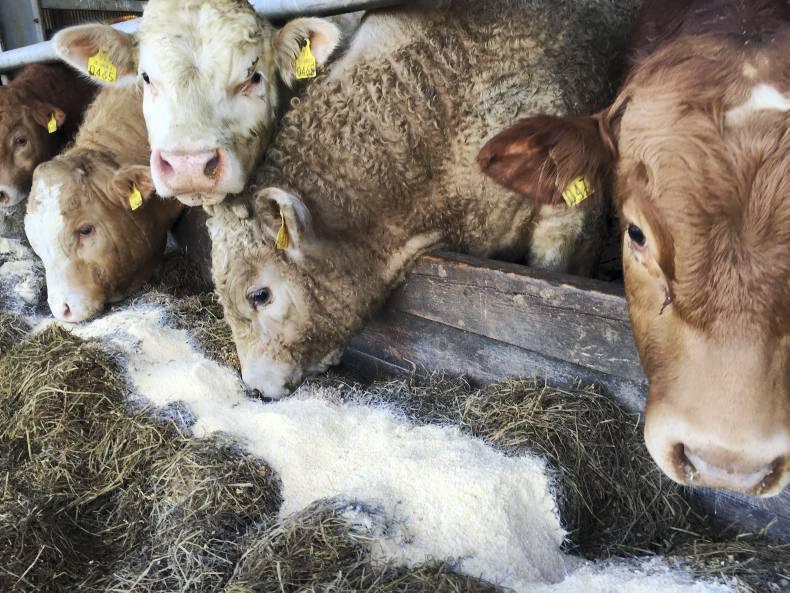
An extremely powdery, floury ingredient; maize meal can be awkward to handle and feed out. Here, the bulls have been turning their noses up at it so far, but this is nothing new. We get around this by covering it with a layer of a palatable finishing ration.
Calves continue to hit the straw. We are plus one at present: 33 calved and 34 calves.
The finish-line is creeping into sight – one big push.



SHARING OPTIONS