


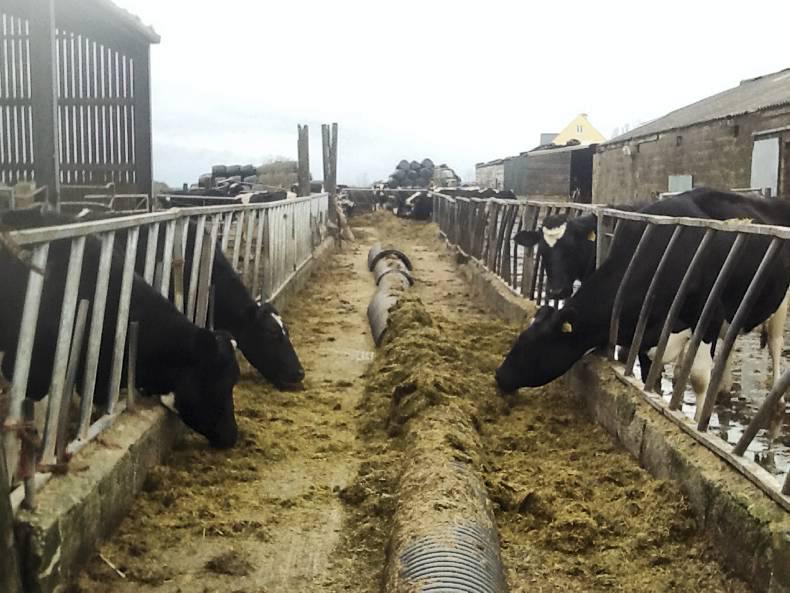
Having just returned from a fascinating talk given by Finbar Mulligan of UCD, we are definitely making changes to our dry-cow management. The first thing is to reintroduce regular condition scoring, which has already shown the current scores on the dry-cow herd range from 1.5 to 4.5.
The most important point of the whole talk was to dry off thin cows one month early to allow them to put on condition naturally. We will also use condition scores to cut the cake on cows in high condition score in late lactation. The condition scoring will allow the person who processes the milk records, but who doesn’t see the cows on a regular basis, to make a more precise judgement. Also, those who see the cows at each milking cannot easily quantify gradual changes in body condition as they can be very gradual.
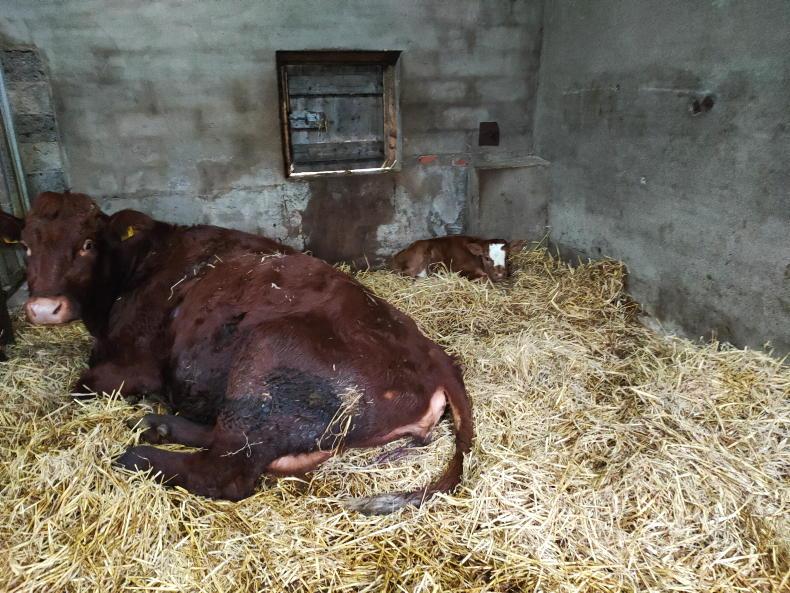
In regards to calving, he highlighted the importance of the period three weeks before and three weeks after, with the 24-hour calving period being critical. Encouraging feed and water intake during this period can have an enormous effect over the following days. We have found a warm calcium drink is readily guzzled immediately after calving (remember how you take a bucket of warm water into the calving pen to wash the back end of a cow and if you turn your back the cow drinks it).
Postscript to the heifer breeding article, the vet diagnosed an 80% conception rate at six weeks. We were concerned about the high level of urea in the grass – while it won’t affect the bulling cycle, it can affect egg quality and uterine implantation.
The PDs on the milking herd using the progesterone test on the monthly milk samples gave equally encouraging results at 70%. However, these are at an earlier stage and will need a six-week check since the highest embryonic loss is in the first six weeks. This is because if the cow is in negative energy, its body often says that if there isn’t enough food for one, then there definitely isn’t enough food for two.
TB test
We have just passed our final TB test after a long winter of discontent. On top of falling milk prices, we have been unable to sell any stock and have had to buy extra feed. The overcrowding in the dairy herd has probably caused the mastitis storm that has cost us a fortune in lost milk and medication. Treatments so far have failed. We used a course of intermammaries and intramuscular, but we still ended up drying the quarter off.




SHARING OPTIONS