


Written by an ex-stockmarket analyst, the book ‘Fooled by Randomness’ describes how people are often unaware of how random our world is, and how we look for patterns where there is none.
Linked to this is the idea of survivorship bias, where winners are seen as people we can learn from, but losers can be ignored. We hear about a miracle snake oil that cured one person’s cancer, but we ignore the 100,000 others who used it and are in the graveyard now.
These notions came back to me during the week when I lodged a few cheques from selling lambs in the bank. This is a winning week with money coming in and it would be easy to ignore the many other weeks when there was nothing, only money flowing out.
Optimism vs realism
It’s human nature to be optimistic and farmers in particular need to have buckets of optimism given the ongoing decline in incomes. However, a good dose of realism is even more important to avoid getting fooled by the sight of a bank deposit.
To this end, we’ve started looking at various outgoings from the last 12 months. The reality is that we probably lost money this year. Some of this can be written off as investment costs such as fencing materials and research/education. The costs we’re looking at more closely though are the ones directly related to lambs: feed and concentrates (did we give them too much or too little?), worm doses (too often or not often enough), footbaths, etc.
To try and compare different transactions, we’ve calculated the euro/kilo value of the lambs we bought and sold. So far, these have varied from €3.40/kg to €2.10/kg, depending on the bloodlines and sex of the lamb as well as the time of year.
Big lessons
Naturally, we’ve taken some big lessons from our first full year with sheep. None of them have been as hard learned as the lessons from the above calculations!
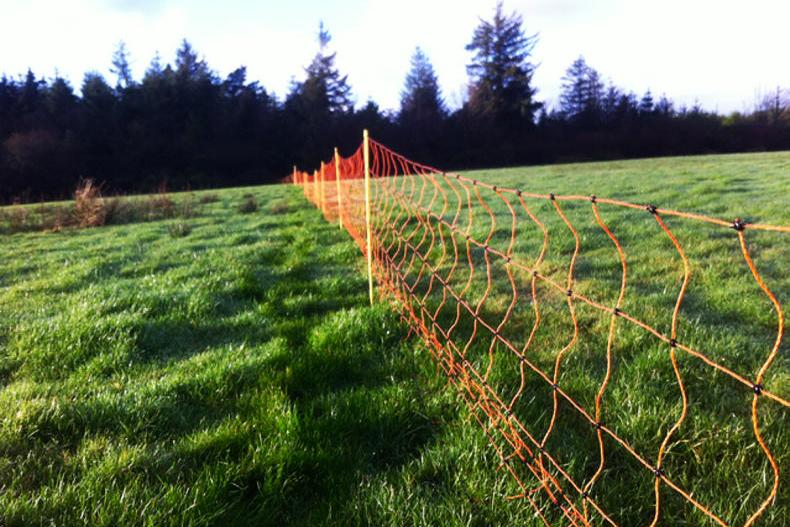
Back to the optimism though – with the last of the 2016 lambs gone, we’re starting to get ready for the arrival of their 2017 comrades. A few acres have been closed since late October and we fenced this off properly during the week. This is where the sheep and their newly born lambs will move to once we’re sure the lambs are hardy enough. There’s plenty shelter, the ground is dry, and there’ll be a good cover of grass, so it’ll be a good start for the 2017 lamb crop.
The rams went out on 1 October, so lambing will start around the last week of February. We’ll just have to hope that nothing too random fools us between now and then.
Kieran Sullivan and his brother farm part-time in Co Waterford. You can follow him on Twitter: @kieran_sullivan
To read more from Kieran click here.



SHARING OPTIONS