


The news regarding the GLAS scheme is almost as unpredictable as the spring weather.
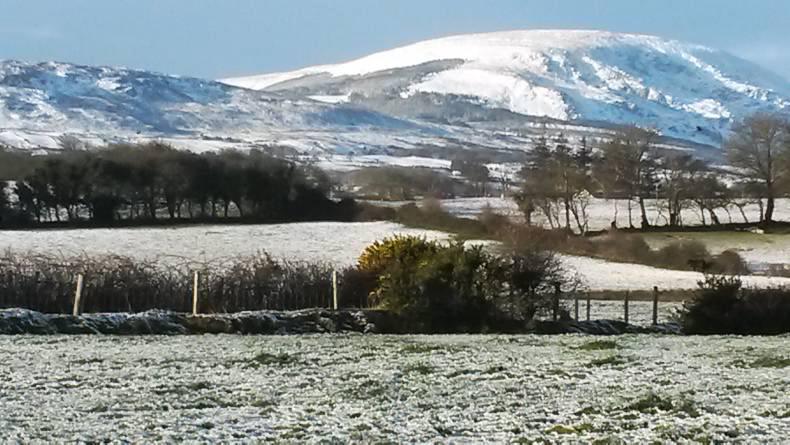
For two days early last week snow covered the fields in west Sligo, while late last week it was revealed that new entrants to farming in 2015 will not qualify to enter GLAS in the first tranche.
It appears less and less likely that 30,000 farmers will enter GLAS in year one and it now appears I won’t be one of them. The uncertainty continues.
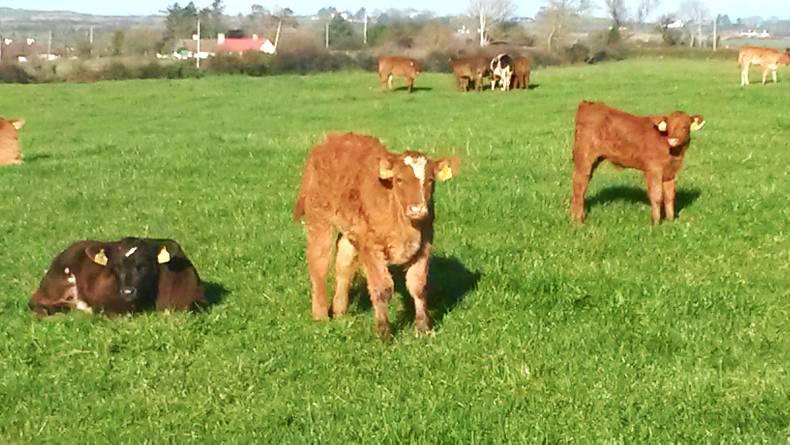
The first batch of cattle let to grass this year was a mix of heifers born on the farm and a number of bought-in heifers of similar age. These heifers are just over a year old and are approaching 400 kgs. Most of these heifers are suitable for breeding for inclusion in a spring calving herd.
However, as I am moving to an entirely autumn calving herd and trying to tighten the calving spread, bulling these heifers for inclusion in the herd at this stage is not an option.
ICBF €urostar profiles
There is also a question regarding some of the bought-in heifers. According to my ICBF €urostar profile the sire is unknown. Should I breed these heifers for selling on to a spring calving farmer who will be buying a heifer of unknown breeding potential, or should I beef these heifers for slaughter later in the year? That is a question I am now considering regarding many of these heifers.
The current trade for young breeding stock is very good and is to be welcomed by all suckler farmers. However, there is a major unknown regarding the future breeding potential of these heifers currently being traded through our marts. With no known sire recorded buyers are picking heifers on looks alone without knowing the genetic make up of the animal.
One very simple step to improve the amount of information available to the buyer would be for all farmers to record the sire of all animals born on the farm. Another measure which would be welcome would be for marts to publish the €urostar values of all animals offered for sale.
There is the argument that publishing the €urostar value of all animals offered for sale would diminish the value of one and two star animals - I disagree with this argument. Many buyers will continue to buy on appearance alone while four and five star animals on the replacement index should attract a breeding premium over the current price being achieved.
Perhaps the stakeholder group which has been established to review the current beef €urostar indexes could start by encouraging farmers to include the sire when registering births. The local mart would then have the option of showing a €urostar value which would remove some of the uncertainty for buyers of breeding stock.


SHARING OPTIONS