After the fatigue of lambing, Brian Nicholson is now able to concentrate on fieldwork, but a close eye is being kept on the potential for nematodirus.
ADVERTISEMENT
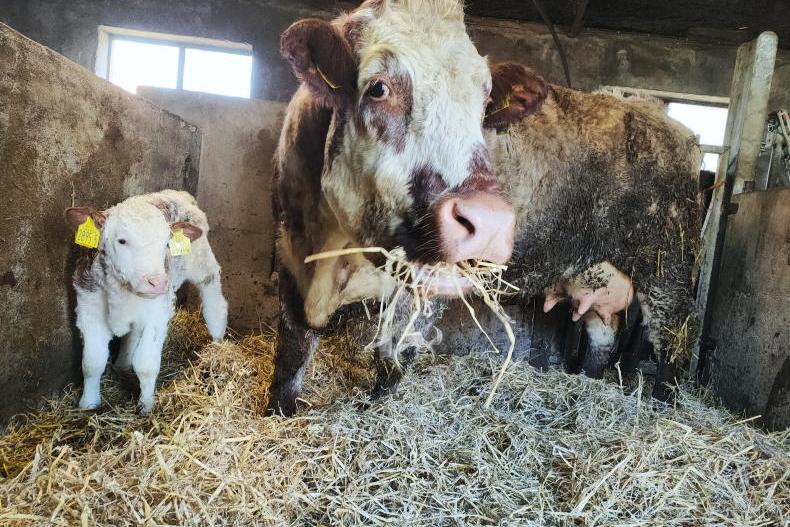
Last weekend saw the majority of what was left of the yearlings to lamb down finish up, leaving only a handful holding out for a few days past their planned finish date of 18 April.
All in all, lambing has gone well. Last year, I noted that it had been a bit drawn out at eight weeks and this year we have managed to tighten it up to just six weeks.
Even though lambing has been shortened, fatigue has still been setting in and it is becoming a struggle to get up during the night. I love my sleep and the lack of it is starting to take effect. It will take a few weeks to recover post-lambing.
ADVERTISEMENT
I am sure that we could condense the lambing into five weeks, but doing this would require the weather to be in our favour for the entire time we are lambing.
Getting ewes and lambs out after lambing is dependent on the weather.
Reducing the lambing period would leave me under pressure for housing if we were unfortunate enough to have a prolonged wet spell of weather.
If I was going to change anything, I would possibly start lambing a week later, as it would give the ground that little extra to warm up to get the grass to start growing.
As it stands, I have only one group that is tight on grass and it is this group that lambed in the first week. It is the only group to have started its second round of grazing.
The grass over the farm is growing at 23kg DM/ha, with a farm demand of 33kg DM/ha. Hopefully, after the fine weather of last week, growth will improve significantly.
I’m always surprised at how quickly ground dries up at this time of the year. I managed to get my second round of fertiliser out last week on the ground that had been previously covered, along with a first round on some fields which up to now had been off limits to any machinery.
As temperatures rise at this time of year, we need to keep an eye out for nematodirus in lambs. These worms lay their eggs on pasture grazed by sheep the previous year and only start to hatch after a cold period followed by a warm spell of over 10°C for seven to 10 days.
Lambs around four to eight weeks of age are most susceptible to infection, as they start to consume more grass in their diets.
When I bring lambs in for their first weigh next week, I will give them a dose at the same time.
I plan on using either a yellow or white drench, as both are effective against nematodirus and are relatively inexpensive.
Register for free to read this story and our free stories.
This content is available to digital subscribers and loyalty code users only. Sign in to your account, use the code or subscribe to get unlimited access.
The reader loyalty code gives you full access to the site from when you enter it until the following Wednesday at 9pm. Find your unique code on the back page of Irish Country Living every week.
CODE ACCEPTED
You have full access to the site until next Wednesday at 9pm.
CODE NOT VALID
Please try again or contact support.
Last weekend saw the majority of what was left of the yearlings to lamb down finish up, leaving only a handful holding out for a few days past their planned finish date of 18 April.
All in all, lambing has gone well. Last year, I noted that it had been a bit drawn out at eight weeks and this year we have managed to tighten it up to just six weeks.
Even though lambing has been shortened, fatigue has still been setting in and it is becoming a struggle to get up during the night. I love my sleep and the lack of it is starting to take effect. It will take a few weeks to recover post-lambing.
I am sure that we could condense the lambing into five weeks, but doing this would require the weather to be in our favour for the entire time we are lambing.
Getting ewes and lambs out after lambing is dependent on the weather.
Reducing the lambing period would leave me under pressure for housing if we were unfortunate enough to have a prolonged wet spell of weather.
If I was going to change anything, I would possibly start lambing a week later, as it would give the ground that little extra to warm up to get the grass to start growing.
As it stands, I have only one group that is tight on grass and it is this group that lambed in the first week. It is the only group to have started its second round of grazing.
The grass over the farm is growing at 23kg DM/ha, with a farm demand of 33kg DM/ha. Hopefully, after the fine weather of last week, growth will improve significantly.
I’m always surprised at how quickly ground dries up at this time of the year. I managed to get my second round of fertiliser out last week on the ground that had been previously covered, along with a first round on some fields which up to now had been off limits to any machinery.
As temperatures rise at this time of year, we need to keep an eye out for nematodirus in lambs. These worms lay their eggs on pasture grazed by sheep the previous year and only start to hatch after a cold period followed by a warm spell of over 10°C for seven to 10 days.
Lambs around four to eight weeks of age are most susceptible to infection, as they start to consume more grass in their diets.
When I bring lambs in for their first weigh next week, I will give them a dose at the same time.
I plan on using either a yellow or white drench, as both are effective against nematodirus and are relatively inexpensive.
If you would like to speak to a member of our team, please call us on 01-4199525.
Link sent to your email address
We have sent an email to your address. Please click on the link in this email to reset your password. If you can't find it in your inbox, please check your spam folder. If you can't find the email, please call us on 01-4199525.
ENTER YOUR LOYALTY CODE:
The reader loyalty code gives you full access to the site from when you enter it until the following Wednesday at 9pm. Find your unique code on the back page of Irish Country Living every week.







SHARING OPTIONS