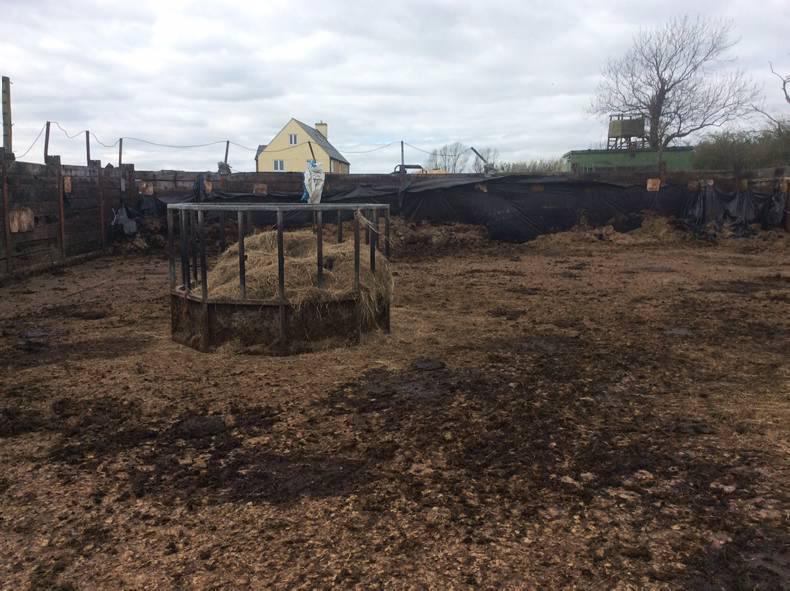
In January, there was more than adequate cover for turnout, but it was too wet, then ten days of sharp frosts appeared to eat at least two thirds of the grass, leaving very light covers. We managed to get the cows out on 15 March for ten days only, and then a week of heavy rain meant they were back in full time with eight inches of flood water on half the paddocks. Since then it has been very hit and miss with cows out for two days and back in for three. This year for the first time we have used urea, but response in terms of grass growth has been very slow so far. This could have been due to lower temperatures, but considering this, it is most likely that next year we will revert to using straight nitrogen.
Undermining the dairy market
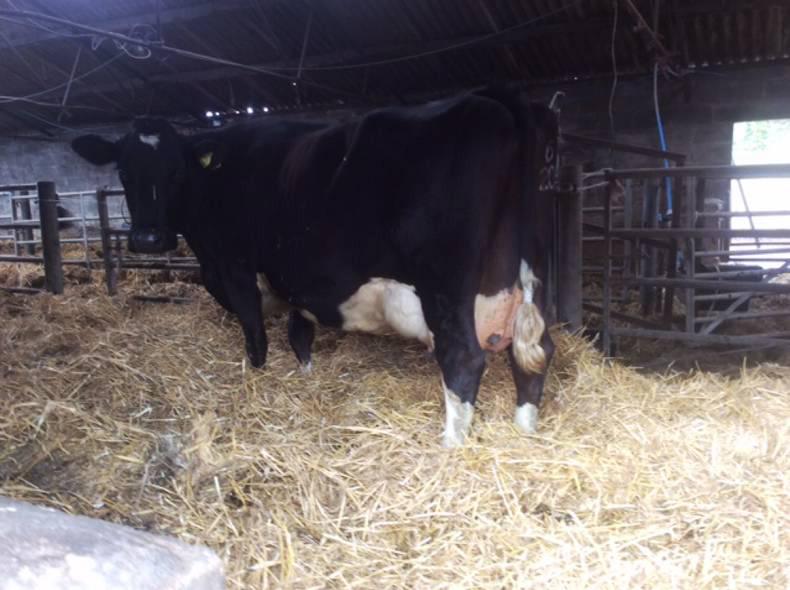
Bactoscan problems seem to have died down, the rise coincided with auto sampling on the lorry, but one would have thought with a bactoscan of 980 surely the milk would have been like yoghurt. Mastitis is still a problem with the result that ten per cent of the herd are now by choice three quartered. The milk price over here is still in freefall, with nearly every milk buyer cutting the price monthly. There is now anecdotal evidence of one milk buyer telling its famer that the price will be 12 pence a litre on condition they sign a twelve month contract. Others are looking at no home for the milk in the coming months. This allows the processor to use this cheap milk to undercut and achieve more contracts. Thereby further undermining the market.
Cost of production
How is it that our once powerful dairy industry is reduced to its knees? With cost of production at least double the price received? I imagine that half of these people on twelve pence a litre will disappear out of the equation in the coming months. The remainder will seek contracts elsewhere as soon as able. The processor presumably will have no suppliers and will disappear into the history of dairy commerce on how not to treat your supplier.
One major cheese maker in Britain stated that in future milk would be produced in the spring, cheese factories would close over winter and liquid milk would receive a premium for all year round supply. Surely this is a model that Ireland has practiced for many years? But when questioned British cheese manufacturers have always stated in the past they must have a level all round supply for efficiency.
The worry of Brexit
Concerning Brexit and the EU everyone is already worried about trade deals with South America for cheap beef, British farmers are concerned about financial support if we exit, and the farming minister George Eustace stated on the 23 March that the government could continue to support the environment and agriculture to the same financial level. Two important points, one is he cannot give an assurance as to what will happen after exit, and two more money could be put into the environment and less into farming. This could be cleaning up the beaches or planting nature reserves. Napoleon accused us of being “a nation of shopkeepers”, George would turn us into a nation of park keepers. Something I couldn’t be because I am a farmer.
Read more
Read more from UK farm writer Joe Collingborn
In January, there was more than adequate cover for turnout, but it was too wet, then ten days of sharp frosts appeared to eat at least two thirds of the grass, leaving very light covers. We managed to get the cows out on 15 March for ten days only, and then a week of heavy rain meant they were back in full time with eight inches of flood water on half the paddocks. Since then it has been very hit and miss with cows out for two days and back in for three. This year for the first time we have used urea, but response in terms of grass growth has been very slow so far. This could have been due to lower temperatures, but considering this, it is most likely that next year we will revert to using straight nitrogen.
Undermining the dairy market
Bactoscan problems seem to have died down, the rise coincided with auto sampling on the lorry, but one would have thought with a bactoscan of 980 surely the milk would have been like yoghurt. Mastitis is still a problem with the result that ten per cent of the herd are now by choice three quartered. The milk price over here is still in freefall, with nearly every milk buyer cutting the price monthly. There is now anecdotal evidence of one milk buyer telling its famer that the price will be 12 pence a litre on condition they sign a twelve month contract. Others are looking at no home for the milk in the coming months. This allows the processor to use this cheap milk to undercut and achieve more contracts. Thereby further undermining the market.
Cost of production
How is it that our once powerful dairy industry is reduced to its knees? With cost of production at least double the price received? I imagine that half of these people on twelve pence a litre will disappear out of the equation in the coming months. The remainder will seek contracts elsewhere as soon as able. The processor presumably will have no suppliers and will disappear into the history of dairy commerce on how not to treat your supplier.
One major cheese maker in Britain stated that in future milk would be produced in the spring, cheese factories would close over winter and liquid milk would receive a premium for all year round supply. Surely this is a model that Ireland has practiced for many years? But when questioned British cheese manufacturers have always stated in the past they must have a level all round supply for efficiency.
The worry of Brexit
Concerning Brexit and the EU everyone is already worried about trade deals with South America for cheap beef, British farmers are concerned about financial support if we exit, and the farming minister George Eustace stated on the 23 March that the government could continue to support the environment and agriculture to the same financial level. Two important points, one is he cannot give an assurance as to what will happen after exit, and two more money could be put into the environment and less into farming. This could be cleaning up the beaches or planting nature reserves. Napoleon accused us of being “a nation of shopkeepers”, George would turn us into a nation of park keepers. Something I couldn’t be because I am a farmer.
Read more
Read more from UK farm writer Joe Collingborn







SHARING OPTIONS