


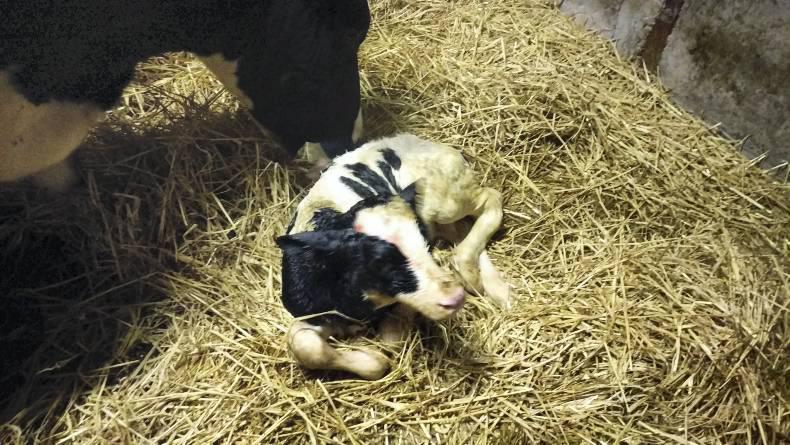
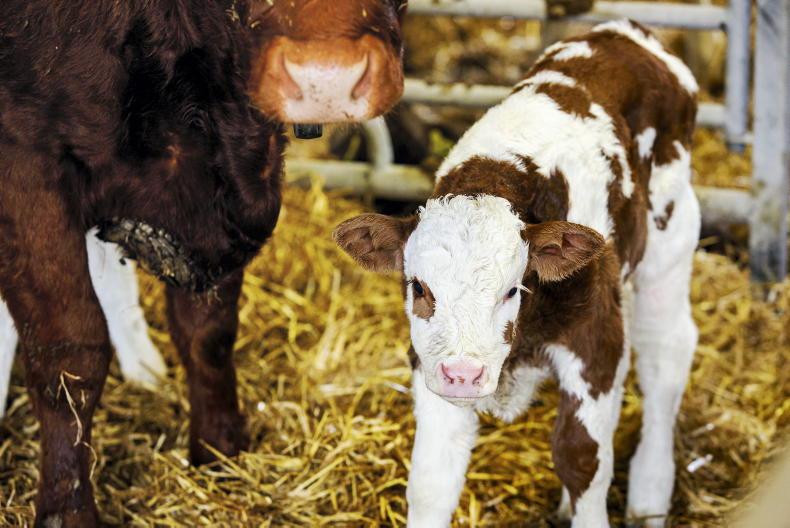
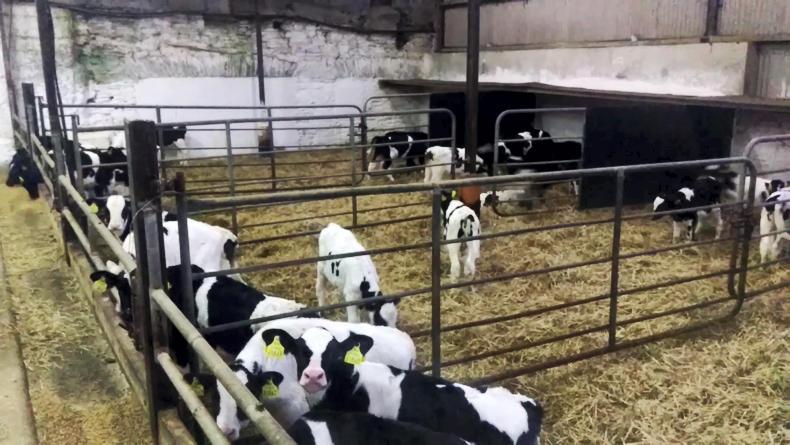
Calving is progressing well in the 90-cow autumn herd. The first lady decided to start early on 20 September, helped on by a set of twins. The rest were well into the swing of it by the official due date of the 29 September, and we hit the 50% mark on 9 October.
Feels like #DejaMoo here. Did we beat them by much? #RWC2015 #IREvFRA #calving15 #AgIE pic.twitter.com/WpTtEWBhw5
— Harold Kingston (@HaroldKingston1) October 11, 2015Health wise, there have been no major problems. Two cows held cleanings at the start so I decided to cover off iodine and selenium like I did last spring. One got a dead leg while calving, so I put her in a nearby paddock to strengthen her up before facing the parlour. The worst thing that could happen is for her to get a fall. Not only would she risk injury, but it could damage her confidence. She is now temporarily living in a calving pen and being milked once a day.
The calving jack has had two jobs. A breech and also an excited heifer refusing to push what turned out to be a DOA.
The dry cows are housed and on a special pre-calver diet of straw, silage, soya, soya hulls and minerals for three weeks before their due date. I find that as they have been active walking around fields all summer, they are usually fitter and have less calving problems than the spring herd. The current weather also means they can be turned out on grass again straight after calving – the best type of accommodation for recuperating. I saved a paddock for them by the yard, which is easily strip grazed.
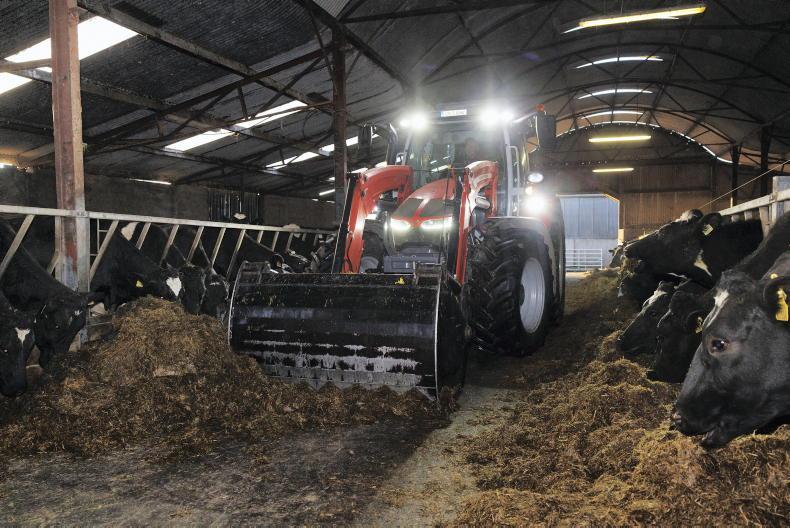
Once I had 15 fresh calvers ready to go in the tank, I housed them. There may be loads of grass outside but I find the nutrition levels of late-season growth is not up to their requirements.
This means I am currently running three groups of milkers. They are milked in the order of autumn, spring and then the fresh/dumping group. Especially while trying to train in heifers, it is great security to have the pipe out of the bulk tank before tackling the fresh calvers.
Meanwhile, I am trying to grow next spring’s grass. It is essential to graze 60% by the end of the month. I can’t expect to have early grass next February if I don’t close the gate in time to let it grow. I have moved to some lighter covers to speed things up, but I hope the weather will be kind when I do move back to what will be 2,000kg plus fields in November.
Speeding up the rotation has also given more land for slurry spreading. August didn’t allow me to spread much soiled water but, mixed with the slurry, it’s really working well now. Amazingly, despite current soil conditions, it won’t work after the 14 September.
Read more



SHARING OPTIONS