



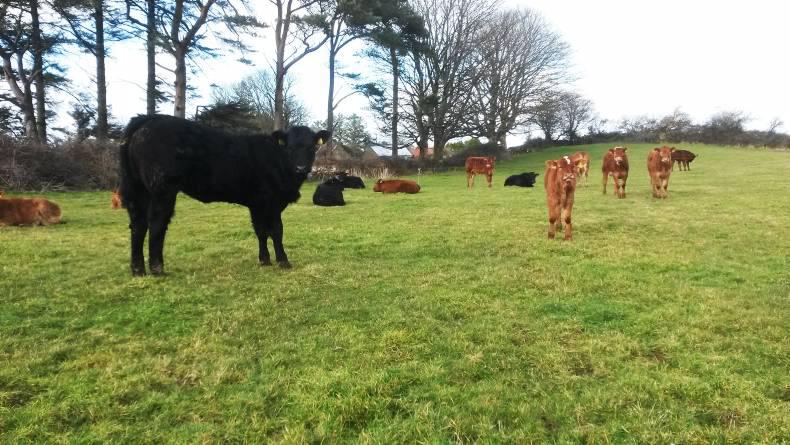
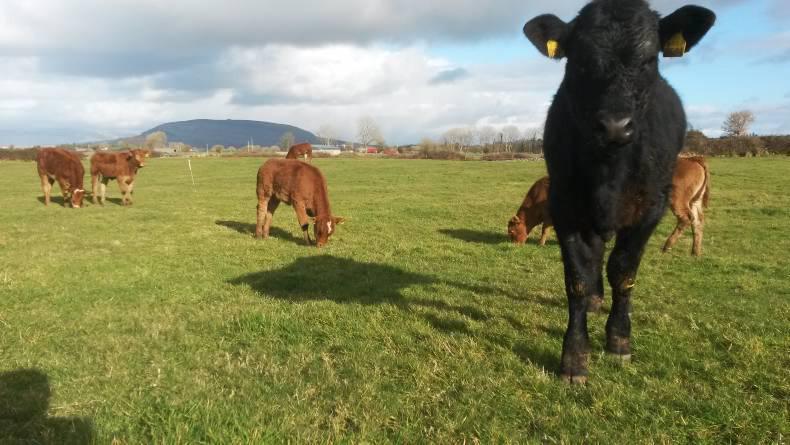
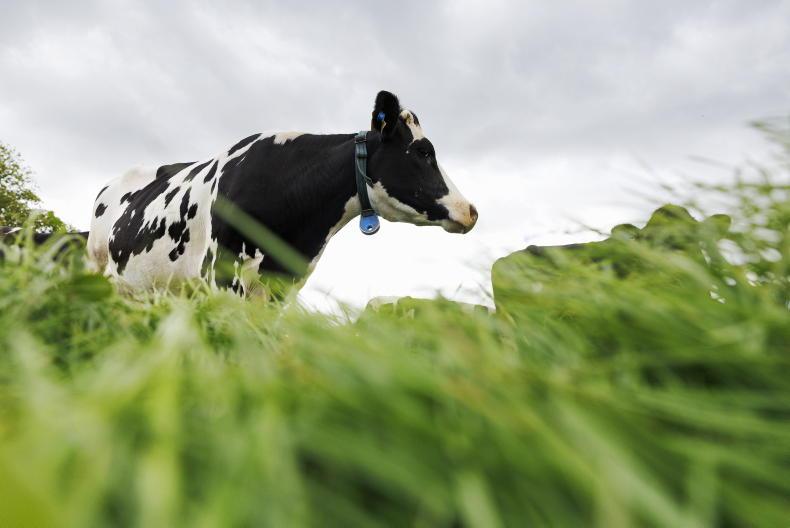
Grass, grass and some grass please. Despite the good weather, the past 10 days’ grass growth has been slow. Some in-calf heifers were let out to grass full-time on 14 February and a few more every week since. They are now well through their allocated paddocks with very little new grass grown on paddocks previously grazed.
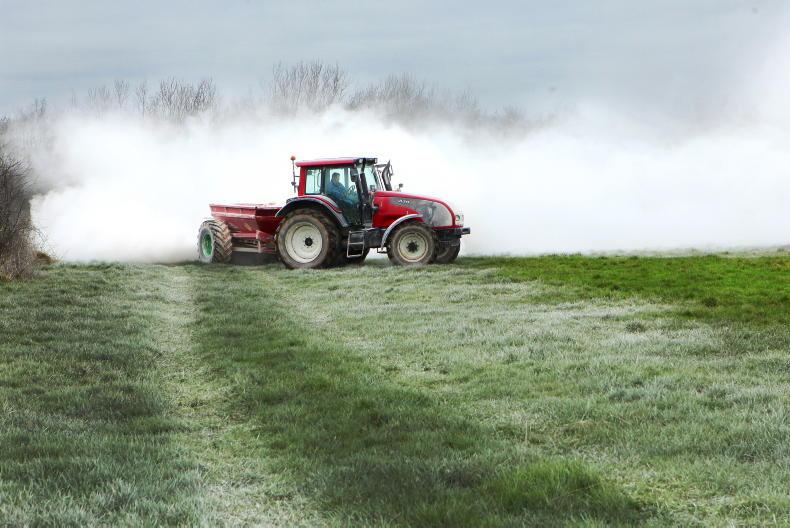
However, this situation did give me the chance to get all the slurry tanks emptied and spread on fields with low grass covers. Calves have spent the winter and spring grazing silage ground near the sheds, and this ground received slurry in February. Now that some of the heavy covers on grazing ground have been grazed, and land has dried out, slurry has been applied to these grazed paddocks.
Getting soil fertility to a satisfactory level is not something that can be achieved overnight
Most soils samples taken here are showing index 1 and 2 for Phosphorus (P) and every year we attempt to raise the indices using slurry and chemical fertilisers. Recent soil sample results are showing an improvement, but getting soil fertility to a satisfactory level is not something that can be achieved overnight.
Slurry is usually applied to silage ground first and, once this is covered, it is applied to paddocks with poor soil fertility. Remaining paddocks receive extra chemical fertilisers to compensate for the lack of slurry.
Extra paddocks
With some rain falling this week, I’m expecting grass growth to pick up and hopefully after my next grass walk and measurement I’ll be able to release the remaining cattle from their winter accommodation.
I’m installing some extra paddocks on the farm this spring to help improve grassland management and performance.
Grass is a bit like the current acting Government of the country. While the grass will keep growing and the country will keep going, it needs active daily management to grow and develop effectively.
GLAS
As my first GLAS deadline approaches, there are a number of actions that need attention. A text from the Department was a very handy reminder for me to complete a number of these actions. The bats and bees need looking after, so I have some bat boxes to install as well as putting sand in two corners for the bees.
Overall, my plan is not too onerous, apart from having to sow a hectare of wild bird cover before 31 May. I see the GLAS scheme as a way of securing extra income and while it is difficult to attain the maximum payment rate under this scheme, all extra income is welcome. While drawing up the plan, my aim was to get the maximum possible payment without compromising too much on general farming activity.
Teagasc spring grass walk: Mayo dairy farmer stretches out grass


SHARING OPTIONS