India is the largest producer of milk in the world (China is second, the USA third), recording a staggering 146bn litres per annum. However, forget visions of large-scale dairies: in India, the smallholder is king.
On-farm improvements
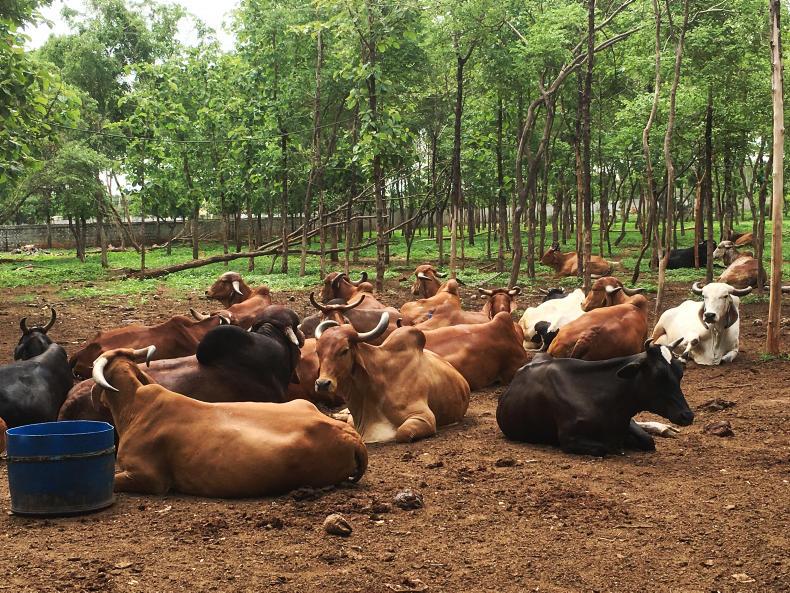
There are clear opportunities to improve technical efficiency on Indian farms. Average herd size is three animals (buffalo or cow), each producing an average of 3l (buffalo) to 5l (cow) per head per day. Due to cheap labour, there is limited automation on-farm. Milking and feeding are all done by hand and very few farms have milk-cooling equipment.
Adding even 1l of milk per day would add at least three times the UK’s annual production each year
Simple changes in breeding and nutrition to add even 1l of milk per day would add at least three times the UK’s annual production each year. In cities, cows commonly feed on garbage, while the base diet of rural animals is wheat straw or poorly fermented maize.
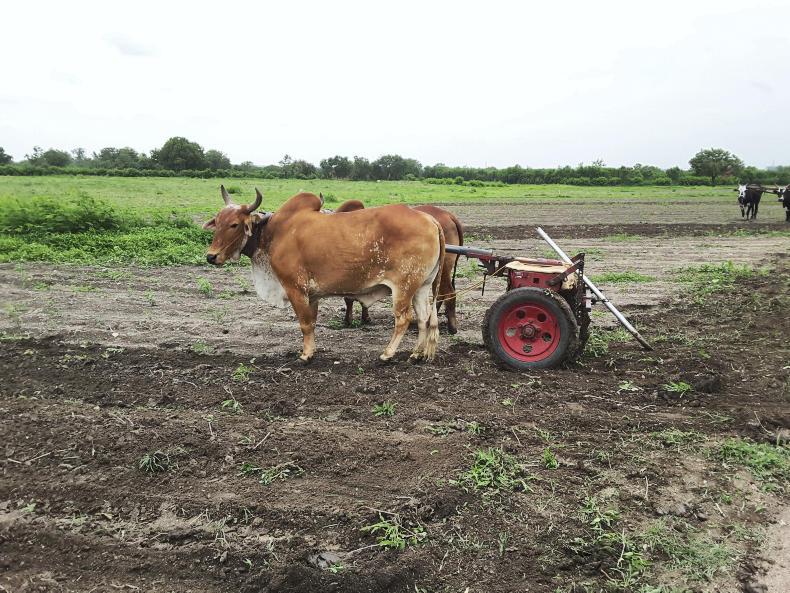
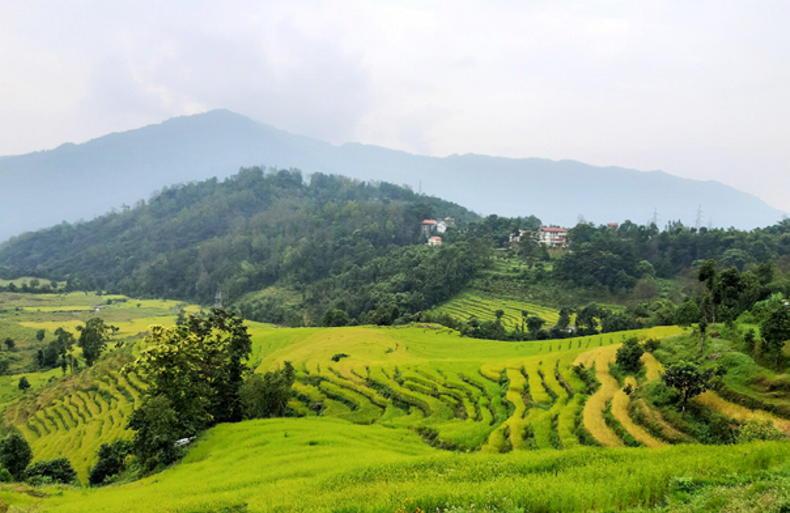
The dairy enterprise currently slots around the main cropping rotation of wheat, cotton or maize and typically a third vegetable crop.

As competition for agricultural land increases with rapid urbanisation, it is likely that fodder for dairy animals will be difficult to source. As a solution, one village (Kothapalli, near Hyderabad) has started feeding brewers’ grains from a local factory, increasing production by 1l per day.
Similarly, age at first calving is over 30 months on average, with fertility a challenge on many farms. In addition, cows remain sacred in the Hindu culture and legally cannot be slaughtered. As a result, the farmer is responsible for keeping and feeding mature cows until the end of their lifetime, leading to a large number of unproductive animals.
Processing structures
Mechanisms exist outside the farmgate to connect the smallholder to a global marketplace. However, with such a large domestic market, this was not a key focus until recently.
The dairy processing industry is dominated by co-operatives. Amul dairy, in the Gujarat region, was established in 1946 and was heavily ingrained in India’s white revolution. The company now exports to over 50 countries, predominantly in Africa and the Middle East. It has developed a simple network of village collection centres around the country to access locally produced milk from its 3.36m suppliers.
Amul’s Anand factory in Gujarat, for example, services its network of 68,000 farmers through 1,215 collection centres, to which farmers bring their milk on a daily basis. These facilities cool and test the milk and the centre pays the farmers for their milk delivery on a daily basis.
These collection centres are run by a local committee, which Amul pays three times a month. Currently, farmgate price is around 37 rupees (approximately 50c) per litre of buffalo milk, and 27 rupees (approximately 36c) per litre for cow milk, due to its lower fat content.
Currently, 55% of Amul milk is sold as liquid, with sachets of fresh milk sold at cost price. The government purchases milk for schools, but also caps the price which farmers are paid for milk as part of its food security policy. This ensures that the average consumer in India has access to a cheap source of protein in what is a mainly low-income population.
On-farm, this support price model has significant impacts. Although it maintains a stable price throughout the season, it also leaves little room for investment and hampers ambition. Amul’s processing arm gives a small price lift to the farmer, offering a bonus of around 2c to 3c/l.
Future opportunities
At present, India’s processors and governments are very much looking inwards towards feeding a population of 1.3bn people. As a result, value-added products have only started to appear relatively recently in response to a growing middle class and the rise of the supermarket.
There are opportunities to grow the organised milk pool. An estimated 70% of milk collection is either consumed at home or sold in local markets. This will give farmers access to dairy management advice, which will also drive production on-farm. For example, Amul provides animal feed and veterinary services and has specialised contract calf-rearing facilities.
However, the future of the dairy industry remains very much with the smallholder. At present, the dairy enterprise on-farm is a secondary venture that finds a place around cropping activities. Nonetheless, the sheer size of the growing domestic market, coupled with technical efficiency on-farm, opens up a cautiously bright future for dairying in India.
Dr Debbie McConnell is from a dairy, sheep and suckler farm in Omagh, Co Tyrone. She is a 2016 Nuffield scholar funded by the Thomas Henry Foundation and shares some of the experiences from her recent travels with the Nuffield Global Focus Programme.
Read more
India considers building shelter for over 5m stray cows
India is the largest producer of milk in the world (China is second, the USA third), recording a staggering 146bn litres per annum. However, forget visions of large-scale dairies: in India, the smallholder is king.
On-farm improvements
There are clear opportunities to improve technical efficiency on Indian farms. Average herd size is three animals (buffalo or cow), each producing an average of 3l (buffalo) to 5l (cow) per head per day. Due to cheap labour, there is limited automation on-farm. Milking and feeding are all done by hand and very few farms have milk-cooling equipment.
Adding even 1l of milk per day would add at least three times the UK’s annual production each year
Simple changes in breeding and nutrition to add even 1l of milk per day would add at least three times the UK’s annual production each year. In cities, cows commonly feed on garbage, while the base diet of rural animals is wheat straw or poorly fermented maize.
The dairy enterprise currently slots around the main cropping rotation of wheat, cotton or maize and typically a third vegetable crop.
As competition for agricultural land increases with rapid urbanisation, it is likely that fodder for dairy animals will be difficult to source. As a solution, one village (Kothapalli, near Hyderabad) has started feeding brewers’ grains from a local factory, increasing production by 1l per day.
Similarly, age at first calving is over 30 months on average, with fertility a challenge on many farms. In addition, cows remain sacred in the Hindu culture and legally cannot be slaughtered. As a result, the farmer is responsible for keeping and feeding mature cows until the end of their lifetime, leading to a large number of unproductive animals.
Processing structures
Mechanisms exist outside the farmgate to connect the smallholder to a global marketplace. However, with such a large domestic market, this was not a key focus until recently.
The dairy processing industry is dominated by co-operatives. Amul dairy, in the Gujarat region, was established in 1946 and was heavily ingrained in India’s white revolution. The company now exports to over 50 countries, predominantly in Africa and the Middle East. It has developed a simple network of village collection centres around the country to access locally produced milk from its 3.36m suppliers.
Amul’s Anand factory in Gujarat, for example, services its network of 68,000 farmers through 1,215 collection centres, to which farmers bring their milk on a daily basis. These facilities cool and test the milk and the centre pays the farmers for their milk delivery on a daily basis.
These collection centres are run by a local committee, which Amul pays three times a month. Currently, farmgate price is around 37 rupees (approximately 50c) per litre of buffalo milk, and 27 rupees (approximately 36c) per litre for cow milk, due to its lower fat content.
Currently, 55% of Amul milk is sold as liquid, with sachets of fresh milk sold at cost price. The government purchases milk for schools, but also caps the price which farmers are paid for milk as part of its food security policy. This ensures that the average consumer in India has access to a cheap source of protein in what is a mainly low-income population.
On-farm, this support price model has significant impacts. Although it maintains a stable price throughout the season, it also leaves little room for investment and hampers ambition. Amul’s processing arm gives a small price lift to the farmer, offering a bonus of around 2c to 3c/l.
Future opportunities
At present, India’s processors and governments are very much looking inwards towards feeding a population of 1.3bn people. As a result, value-added products have only started to appear relatively recently in response to a growing middle class and the rise of the supermarket.
There are opportunities to grow the organised milk pool. An estimated 70% of milk collection is either consumed at home or sold in local markets. This will give farmers access to dairy management advice, which will also drive production on-farm. For example, Amul provides animal feed and veterinary services and has specialised contract calf-rearing facilities.
However, the future of the dairy industry remains very much with the smallholder. At present, the dairy enterprise on-farm is a secondary venture that finds a place around cropping activities. Nonetheless, the sheer size of the growing domestic market, coupled with technical efficiency on-farm, opens up a cautiously bright future for dairying in India.
Dr Debbie McConnell is from a dairy, sheep and suckler farm in Omagh, Co Tyrone. She is a 2016 Nuffield scholar funded by the Thomas Henry Foundation and shares some of the experiences from her recent travels with the Nuffield Global Focus Programme.
Read more
India considers building shelter for over 5m stray cows







SHARING OPTIONS