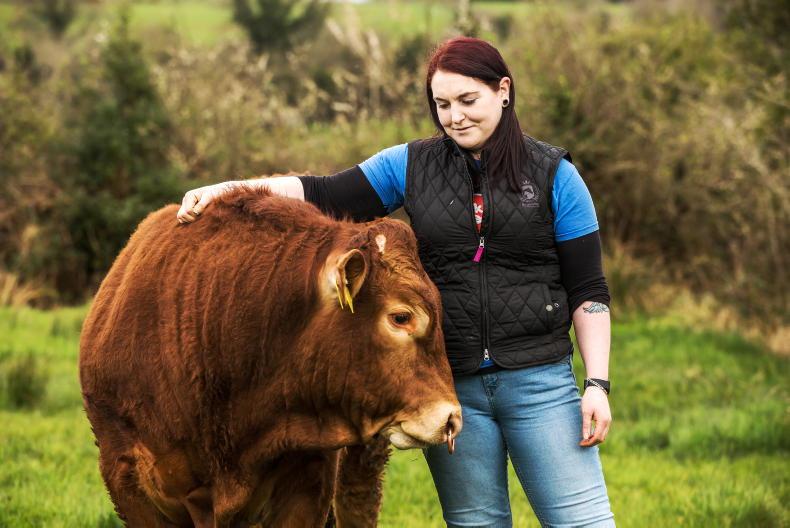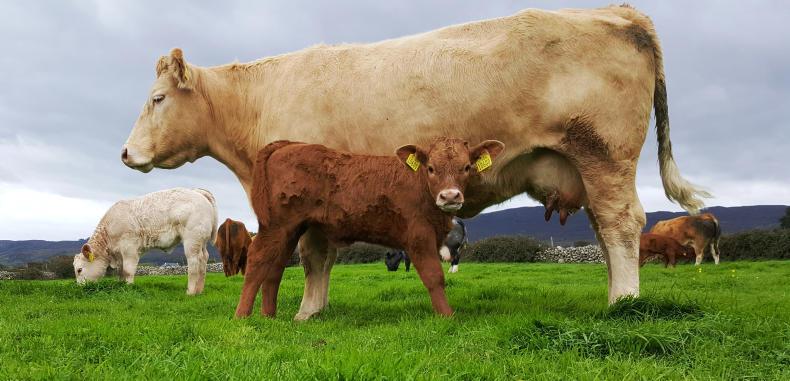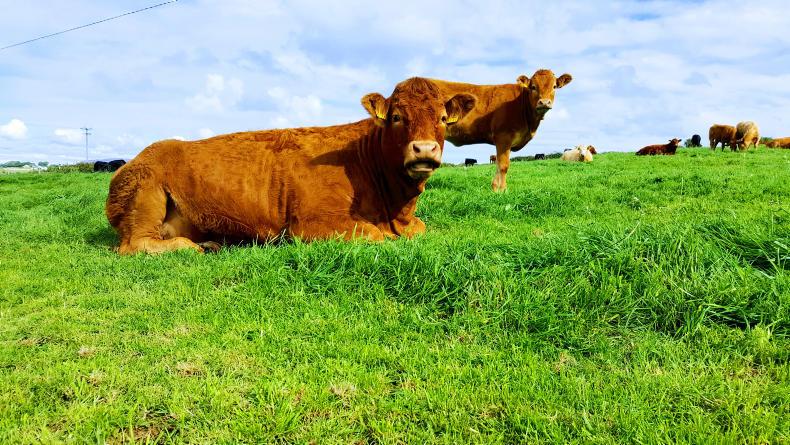
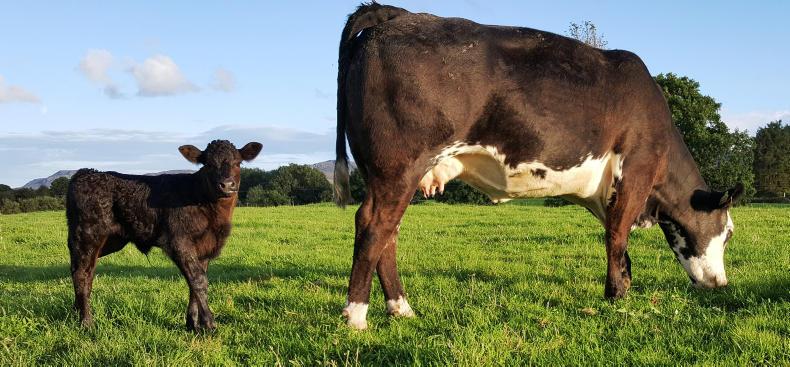
I have used a mix of sire breeds again this year, and for the first time I have included two Angus sires in the mix. One is a red Angus and the other an Angus from the ICBF Gene Ireland Programme.
The reasons
The main reason I have introduced some Angus sires this year is to reduce the incidence of assisted calving. According to my latest ICBF calving report, I am having more difficult calving than the national average, or perhaps I am just scoring my calving harder than the average.
The second reason is to reduce the gestation length within the herd. The gestation length, the time from AI or natural serve to calving, has averaged between 287 and 290 days for the past five years. With a long gestation period, the time available for a cow to go back in-calf is reduced, thereby making a 365-day calving interval more difficult to achieve.
So far, this year the figure is standing at 282 days.
Knowledge Transfer
I finally got around to sitting down with my vet and completing my Knowledge Transfer herd health plan. This was a worthwhile exercise as it gave us a chance to review the past year and discuss some issues that arose.
Rather than the usual chat during a herd test or the like there was more of a structure to this meeting and a couple of issues were identified for the year ahead.
Trace elements
One area I need to pay attention to is the level of copper being received by all stock.
In the spring of this year I treated all young stock with copper boluses as there was some brownness showing in their coats, which has cleared up since.
As we are in a high molybdenum area, it is advisable to supply copper directly to the animals to ensure they are receiving enough of the trace element throughout the year. This is particularly the case where liming has taken place.
Lime
With the assistance of the IFA smart farming competition, I have managed to spread lime on 90% of the farm this year. As the pH of most of the farm was low, by spreading this lime at the rate of up to 2t/acre in places, I’m hoping to increase overall grass growth by making better use of fertilisers.
I also managed to get another 30 bales of surplus silage in the last week, which leaves me well set up for the winter, with plenty of bales in storage.
By taking out this surplus grass, my days of grass ahead figure now stands at 21, around where it needs to be at this time of year.
Read More
Full coverage: Trevor Boland
Farmer writes: being happy to aim for average
I have used a mix of sire breeds again this year, and for the first time I have included two Angus sires in the mix. One is a red Angus and the other an Angus from the ICBF Gene Ireland Programme.
The reasons
The main reason I have introduced some Angus sires this year is to reduce the incidence of assisted calving. According to my latest ICBF calving report, I am having more difficult calving than the national average, or perhaps I am just scoring my calving harder than the average.
The second reason is to reduce the gestation length within the herd. The gestation length, the time from AI or natural serve to calving, has averaged between 287 and 290 days for the past five years. With a long gestation period, the time available for a cow to go back in-calf is reduced, thereby making a 365-day calving interval more difficult to achieve.
So far, this year the figure is standing at 282 days.
Knowledge Transfer
I finally got around to sitting down with my vet and completing my Knowledge Transfer herd health plan. This was a worthwhile exercise as it gave us a chance to review the past year and discuss some issues that arose.
Rather than the usual chat during a herd test or the like there was more of a structure to this meeting and a couple of issues were identified for the year ahead.

Trace elements
One area I need to pay attention to is the level of copper being received by all stock.
In the spring of this year I treated all young stock with copper boluses as there was some brownness showing in their coats, which has cleared up since.
As we are in a high molybdenum area, it is advisable to supply copper directly to the animals to ensure they are receiving enough of the trace element throughout the year. This is particularly the case where liming has taken place.
Lime
With the assistance of the IFA smart farming competition, I have managed to spread lime on 90% of the farm this year. As the pH of most of the farm was low, by spreading this lime at the rate of up to 2t/acre in places, I’m hoping to increase overall grass growth by making better use of fertilisers.
I also managed to get another 30 bales of surplus silage in the last week, which leaves me well set up for the winter, with plenty of bales in storage.
By taking out this surplus grass, my days of grass ahead figure now stands at 21, around where it needs to be at this time of year.
Read More
Full coverage: Trevor Boland
Farmer writes: being happy to aim for average
SHARING OPTIONS