


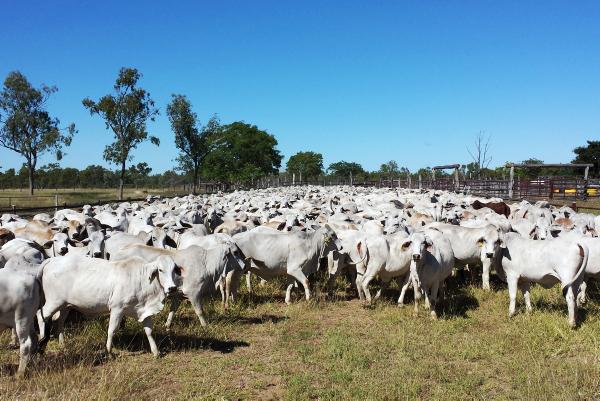
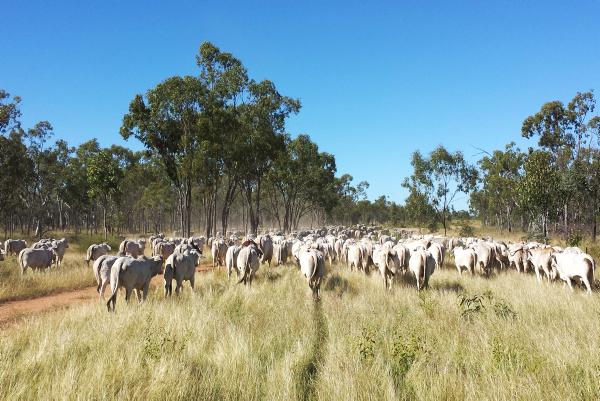
Last Thursday morning we set off mustering 1,200 cattle. The workforce consisted of Michael Lyons, his two young sons, his dad, his brother, myself and a gyrocopter pilot.
A gyrocopter can best be described as a cross between a helicopter and a ride on lawn mower and proved very effective in zig-zagging over paddocks flushing out cattle towards the lane way.
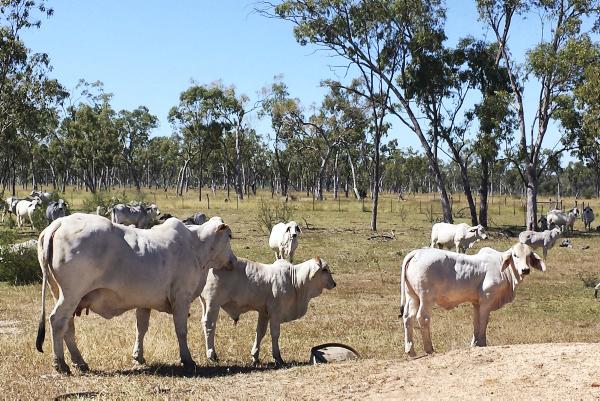
The use of the gyrocopter came at a cost of roughly €600 for the morning’s work but greatly reduced the amount of time and people required. Most paddocks averaged 850 hectares and had 2.5 kilometres of lane frontage. Unlike Ireland, trees, scrub and dust seemed more prevalent than grass.
Michael farms at Wambiana station south west of Charters Towers in Northern Queensland. It is an extremely harsh climate with variable rainfall so grass budgeting had to be done 10 months ahead of grazing rather than short term. I was told it was common for it not to rain in the area from St Patrick's day until the following January.
To get the best from the property, he tries to farm in conjunction with the local environment. He feels working against the environment is expensive. To this end he doesn't overstock paddocks, has Brahman cattle and runs a very strict business that doesn't tolerate passengers. Three P requirements are essential for his grasses; they must be perennial, productive and palatable, no different to irish pasture.
The vastness of the property means having good infrastructure a “must”. A series of arterial roads run off the gravel road and they are invaluable at getting stock to the handling yards. The roads allowed his brother Dan to go in front of the mob of 350 heifers and open gates with me following.
All heifers were pregnancy tested that afternoon and any empties were sold off the property within 48 hours. Uncertainty of environmental conditions means it makes no sense whatsoever to keep heifers or cows who were unproductive.
During the course of a conversation with the vet present, I learnt that the three key aspects of his work were pregnancy testing, bull fertility testing and doing herd health plans. It further underlined the value placed on fertility in beef herds around the world.
Two key differences I noticed around the yard compared to Irish yards, were the lack of panic in getting the work done and the standard of handling facilities. On many farms in Ireland we would be running around trying to get a week’s work done in a morning and always finding something else to do. Many farmers would also not bat an eyelid at paying thousands of euros on machines, yet their handling facilities often leave a lot to be desired.



SHARING OPTIONS