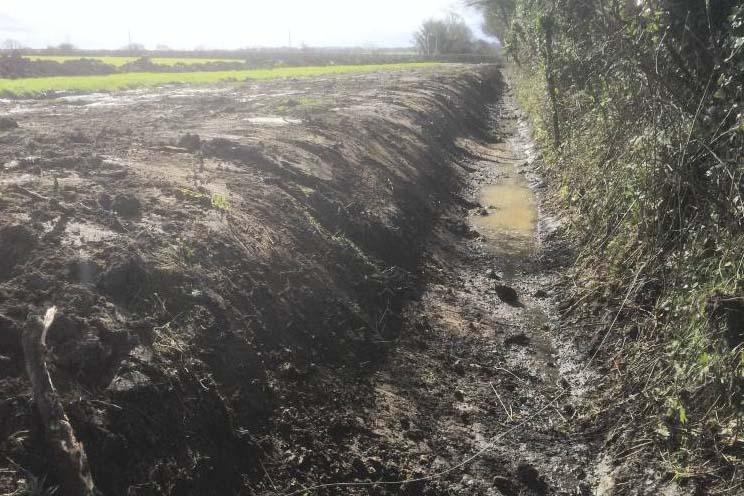
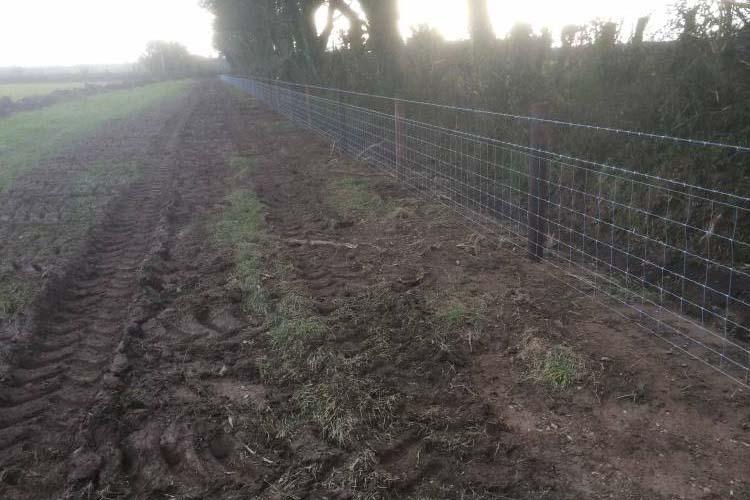
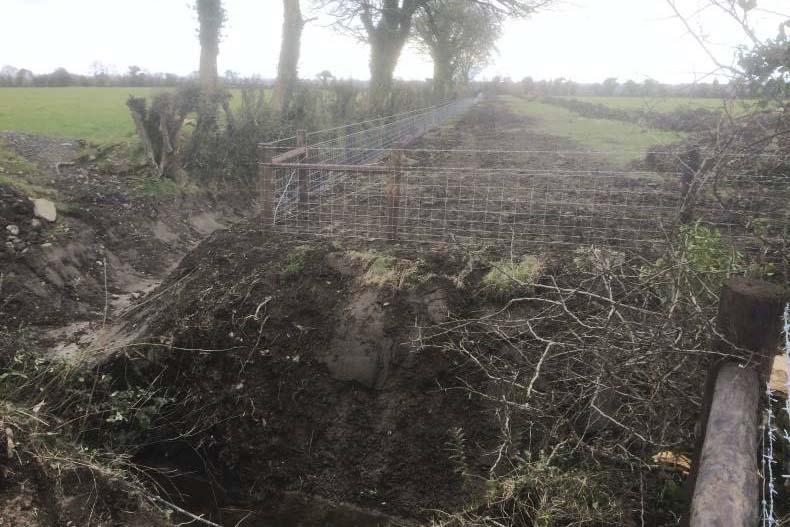
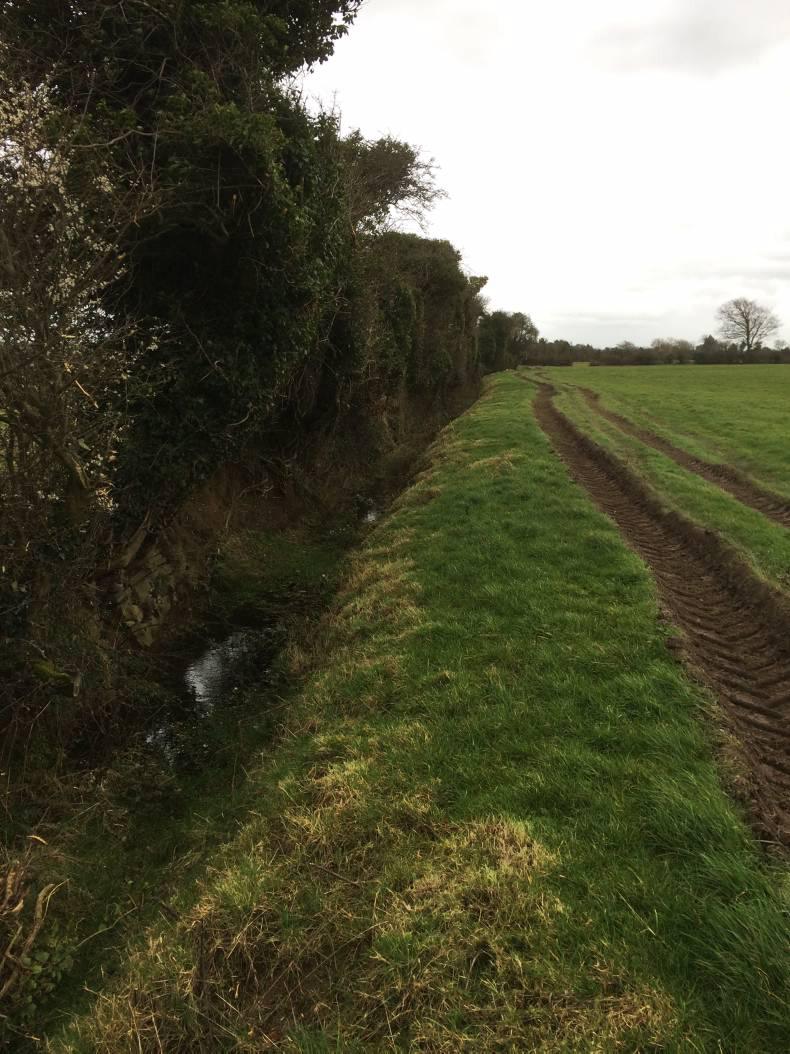
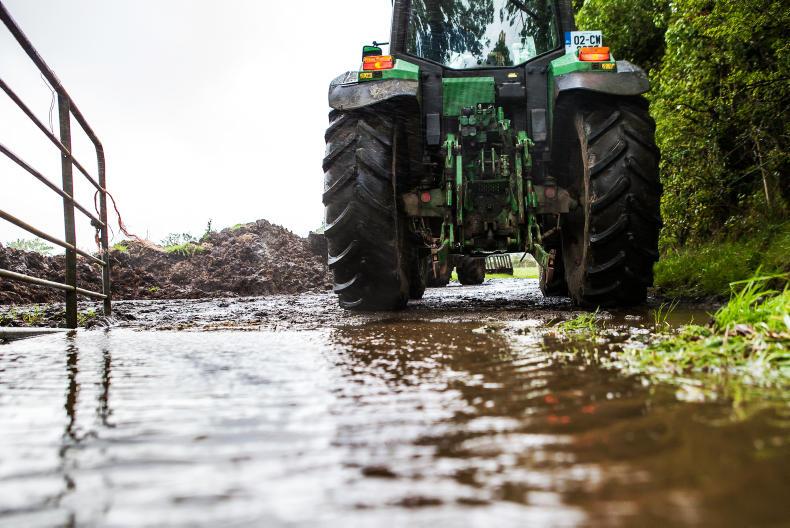
It has been an incredibly busy spring here. We were lucky enough to get access to an extra 50 acres of ground. This has meant that the workload has drastically increased, hence less time at the keyboard to write about what has been going on around the farm. This parcel of ground required a lot of initial work just to get it to a stage where we could stock it. The block contains four fields of equal size, but it required 1,400m of fencing first. All ditches had to be cleaned out. Ideally, for all of this work, you would like dry weather but we had to do it in the unseasonable spring weather we had – not ideal but it had to be done. A handling facility also had to be built.
Increasing stock
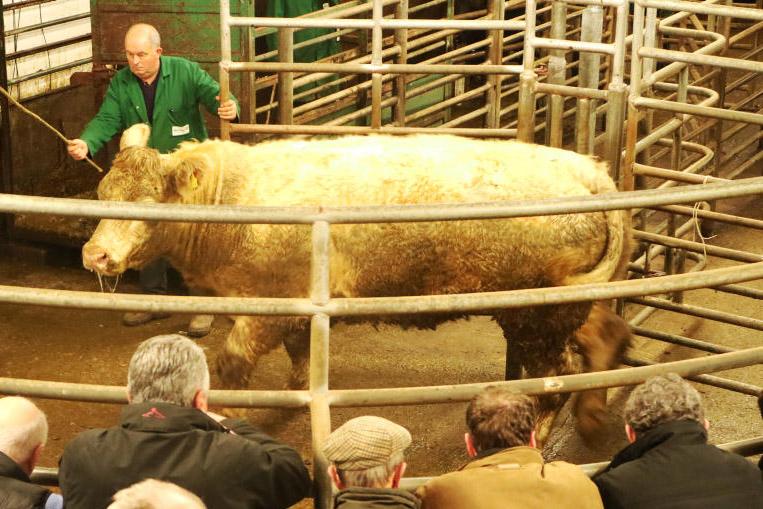
It goes without saying if you have more acres you need more stock. We purchased ewes with lambs at foot, all from the one farm which is important with all the health implications of buying sheep from many sources. We wanted to keep this to a minimum. All of the ewes had doubles. Extra cattle were also needed, which entailed more time at the ringside and then after all that we had an east wind here for the whole of April and May which slowed grass growth. This weather badly effected forward heifers we let out on 26 March for finishing. This is the second year we let out forward heifers (500kg) to finish off “cheap grass” – it won’t be happening a third year. Big heifers need heat and sun on their backs, neither of which they got. Lighter heifers that were let out exactly one month later are in better order than the early turnouts.
Dealing with a nematodirus outbreak
With all this extra work and mixed weather, routine sheep work got delayed. One batch of lambs had a nematodirus outbreak. You would often wonder if lambs have or have not got worms. Well after seeing the effect it had on these lambs, I now know. They were obviously treated with a white wormer and they have actually caught up and even passed out some earlier born lambs.
Silage
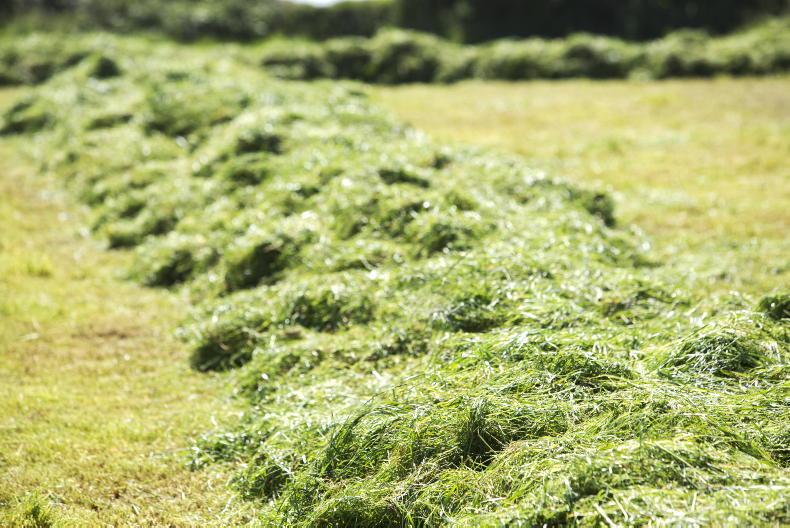
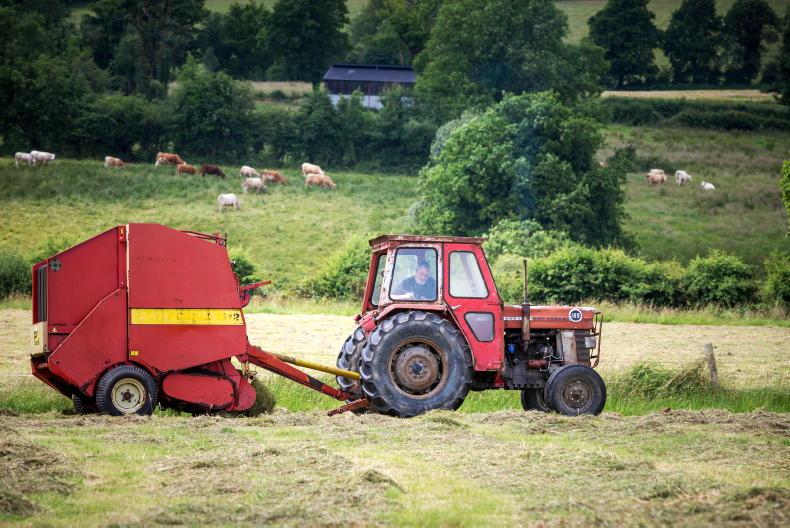
Good quality silage was made in early June and, last week, some paddocks on an outfarm that had gone too strong were taken out. We had four more sections to mow, three after this morning. I let heifers and lambs into one paddock, earmarked for bales, as with this continued broken weather I could not see it being made soon. The paddock in question was the lightest of the four but needed to be cut last week, so it would be back in the grass rotation.
Read more
Farmer writes: wading through Brexit
Farmer writes: farm forests have potential for biomass production
It has been an incredibly busy spring here. We were lucky enough to get access to an extra 50 acres of ground. This has meant that the workload has drastically increased, hence less time at the keyboard to write about what has been going on around the farm. This parcel of ground required a lot of initial work just to get it to a stage where we could stock it. The block contains four fields of equal size, but it required 1,400m of fencing first. All ditches had to be cleaned out. Ideally, for all of this work, you would like dry weather but we had to do it in the unseasonable spring weather we had – not ideal but it had to be done. A handling facility also had to be built.
Increasing stock
It goes without saying if you have more acres you need more stock. We purchased ewes with lambs at foot, all from the one farm which is important with all the health implications of buying sheep from many sources. We wanted to keep this to a minimum. All of the ewes had doubles. Extra cattle were also needed, which entailed more time at the ringside and then after all that we had an east wind here for the whole of April and May which slowed grass growth. This weather badly effected forward heifers we let out on 26 March for finishing. This is the second year we let out forward heifers (500kg) to finish off “cheap grass” – it won’t be happening a third year. Big heifers need heat and sun on their backs, neither of which they got. Lighter heifers that were let out exactly one month later are in better order than the early turnouts.
Dealing with a nematodirus outbreak
With all this extra work and mixed weather, routine sheep work got delayed. One batch of lambs had a nematodirus outbreak. You would often wonder if lambs have or have not got worms. Well after seeing the effect it had on these lambs, I now know. They were obviously treated with a white wormer and they have actually caught up and even passed out some earlier born lambs.
Silage
Good quality silage was made in early June and, last week, some paddocks on an outfarm that had gone too strong were taken out. We had four more sections to mow, three after this morning. I let heifers and lambs into one paddock, earmarked for bales, as with this continued broken weather I could not see it being made soon. The paddock in question was the lightest of the four but needed to be cut last week, so it would be back in the grass rotation.
Read more
Farmer writes: wading through Brexit
Farmer writes: farm forests have potential for biomass production






SHARING OPTIONS