This can be a tough week for the part-time farmer. After the bank holiday weekend and the time changing, getting out in the evenings to check the stock is proving difficult.
Add to that the wetter weather and colder nights and it’s starting to feel like it’s time to house the cattle for the winter.
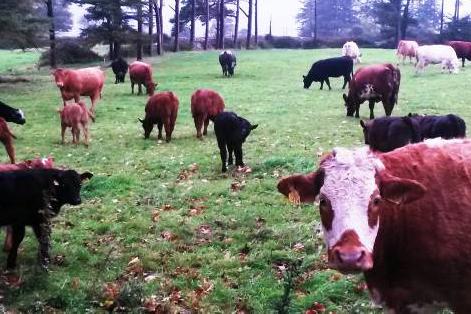
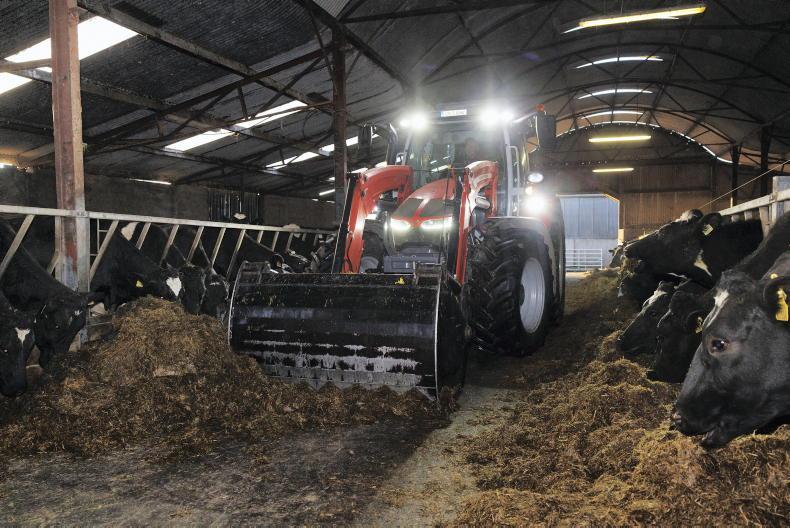
As we are about to enter the first week of November, I’ll start to house cattle from this weekend on. This period coincides with the start of the breeding season and managing the cows and heifers to ensure a smooth transition from outside grazing grass to being housed and eating silage takes a bit of planning.
In previous years I have found that the heifers are difficult to spot in heat for the first few weeks after housing. This prevents the ideal situation of breeding the maiden heifers to calve before the main batch of cows.
In order to counteract this situation, I started breeding the maiden heifers at grass to the Salers stock bull this year. After the first week of breeding, just over 50% of these heifers look to have been served. Once these heifers are housed I will start to use artificial insemination (AI) on any heifer not yet bred and any heifer that shows signs of repeating.
Calving
Cows that calved in August and September are being served using AI from 20 October on. The aim is to tighten the calving pattern and calve cows over August, September and October next year. Autumn calving is a system that suits my setup and I find it works best for me while also working full-time off the farm.
The system means I can continue to use AI on most of the herd, which means I have the pick of different bulls and breeds to choose from.
When choosing this year’s team of bulls, I set out a number of traits that a bull must meet:
Easy-calving: 7% or less calving difficulty, 5% or less for heifers.Five star on the replacement index either within or across breed.Replacement euro-star index over €100.Positive for daughter milk.Terminal euro-star index greater than €80.This has left me with a team of bulls across breeds including Salers, Limousin and Charolais, all of which meet the above traits. Producing heifers that meet the criteria for the Beef Data and Genomics Programme is an additional consideration this year.
Incidentally, I managed to catch most of the presentations from a meeting in Ennis Mart this week which was broadcast online on the Irish Farmers Journal. Well worth a watch for anybody interested in suckler breeding.
This can be a tough week for the part-time farmer. After the bank holiday weekend and the time changing, getting out in the evenings to check the stock is proving difficult.
Add to that the wetter weather and colder nights and it’s starting to feel like it’s time to house the cattle for the winter.
As we are about to enter the first week of November, I’ll start to house cattle from this weekend on. This period coincides with the start of the breeding season and managing the cows and heifers to ensure a smooth transition from outside grazing grass to being housed and eating silage takes a bit of planning.
In previous years I have found that the heifers are difficult to spot in heat for the first few weeks after housing. This prevents the ideal situation of breeding the maiden heifers to calve before the main batch of cows.
In order to counteract this situation, I started breeding the maiden heifers at grass to the Salers stock bull this year. After the first week of breeding, just over 50% of these heifers look to have been served. Once these heifers are housed I will start to use artificial insemination (AI) on any heifer not yet bred and any heifer that shows signs of repeating.
Calving
Cows that calved in August and September are being served using AI from 20 October on. The aim is to tighten the calving pattern and calve cows over August, September and October next year. Autumn calving is a system that suits my setup and I find it works best for me while also working full-time off the farm.
The system means I can continue to use AI on most of the herd, which means I have the pick of different bulls and breeds to choose from.
When choosing this year’s team of bulls, I set out a number of traits that a bull must meet:
Easy-calving: 7% or less calving difficulty, 5% or less for heifers.Five star on the replacement index either within or across breed.Replacement euro-star index over €100.Positive for daughter milk.Terminal euro-star index greater than €80.This has left me with a team of bulls across breeds including Salers, Limousin and Charolais, all of which meet the above traits. Producing heifers that meet the criteria for the Beef Data and Genomics Programme is an additional consideration this year.
Incidentally, I managed to catch most of the presentations from a meeting in Ennis Mart this week which was broadcast online on the Irish Farmers Journal. Well worth a watch for anybody interested in suckler breeding.






SHARING OPTIONS