


We’ve all had the feeling. You realise all is not well in the world, your stomach falls to your ankles and bounces up into the back of your throat. You immediately become conscious of your thundering heartbeat and a film of moisture wets your brow.
Training times mixed up. Did I shut the road gate? That presentation isn’t on today, is it?
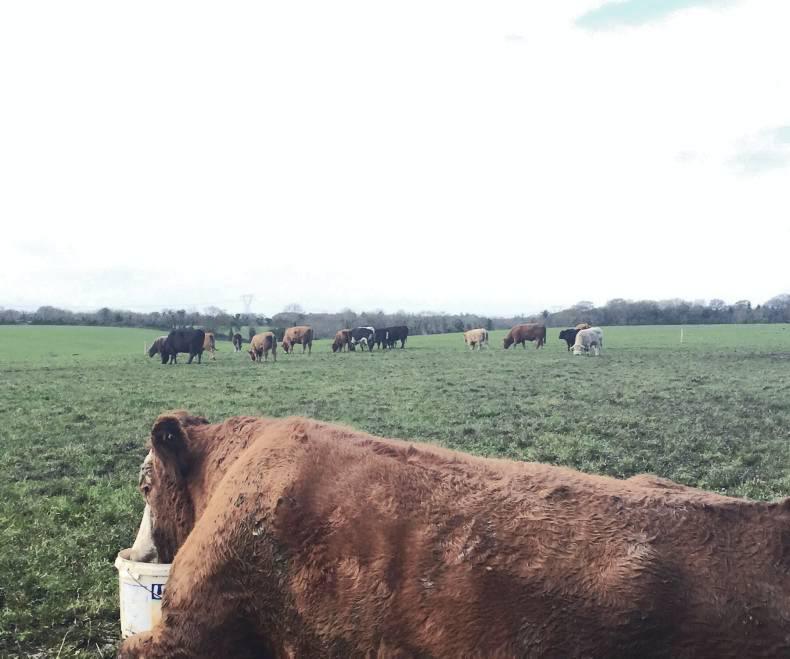
On Thursday morning, it was my turn to check any stock still braving the elements. There are 30 animals still outdoors here – 15 cows and their young. Naturally, it’s the youngsters that would most concern a farmer at this time of year, especially given now that storms are being named after dinosaurs, such is their ferocity. The cows, sure they look after themselves.
The stomach-churning moment came as soon as I entered the field. The group was congregating in a tight circle, peering down at a mass of red. It reminded me of a team’s pre-match huddle, though my gut told me it was more akin to a group of nosey spectators surrounding a traffic accident.
A cow was down – thrashing about like a fish out of water. I’d never seen grass tetany, but must’ve been listening in our lecture on it. Learning in a classroom is all well and good, but experience is the true gauge of knowledge. Phone, vet, step on it.
Speed
I was informed that it’s “minutes” with a case of tetany. The speed of service from our vets, Pat Farrelly & Partners, Dublin Rd, Trim, must be commended. Intervention came early enough and the latest report at time of writing is a back-chawing lady with a satisfied bull calf.
The cow in question is one of our A-Team. Four stars, fifth lactation Simmental (HKG) with a calving interval of 366 days, having calved in her 24th month - it’s always the best.
Following the ordeal, the Sherlock Holmes hat was donned. It had been the first case in a decade. Tetany is brought about by a lack of magnesium or over-supply of potash in the system, the latter having the effect of rendering ingested magnesium and calcium unavailable to the animal. There were two mag buckets in the field, as there always is, though there is obviously no way of knowing whether or not all are indulging. And it couldn’t be the potash as we hadn’t spread anything since August. Or could it?
A look at a soil test from some years back raised an eyebrow. The land had previously been in strawberries, vegetables and tillage. The potash was off the charts. The plot thickens.
The remaining outdoor stock will hit the slats this weekend. As a precaution, magnesium nuts are being fed to lessen the risk of another case and we have added an emergency bottle of the same to the cabinet. I hope it’s something I’ll blow dust off in ten years and recollect about our only case of tetany in two decades.
Next week, the curious case of the U+ heifer.



SHARING OPTIONS