It’s always a good idea to schedule bigger jobs so that they don’t clash. I just knew when I got the dates of 18 and 21 May for my herd test that it would probably affect the organising of the first cut silage. Around here May 22 is peak season so it was decided to mow the first evening of the test and pick up on the Tuesday.
I had limited the nitrogen to 90units/acre to give the flexibility to cut early, but it still looked very green. Sunday evening was bright and breezy with only showers forecast, so the start of the mowing was moved up. I had planned to mow around some of the electric fence divisions but three of us had to spend three hours gathering them.
Two bunches of my calves had been chased on the Friday night (Lampers? Stray dogs?), breaking down wires and scattering broken fencing posts through the crop. It wasn’t exactly my idea of fun but at least there were no injuries to the calves bar a few bumps and scratches.
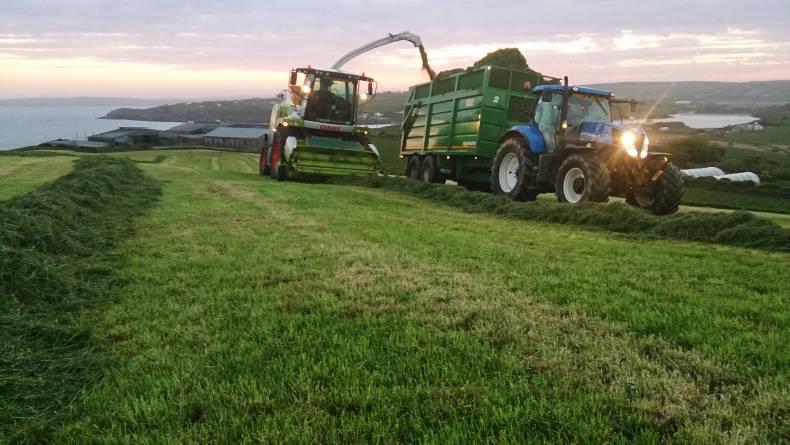
Within half an hour of mowing starting, despite the forecast, blue skies had turned to heavy rain that lasted right through the night. I never worry about rain on a swath, especially when spread out, once it has been cut dry. It will still wilt. In fact the 16 acres were nice and crispy when the rest was finally mowed on Tuesday evening.
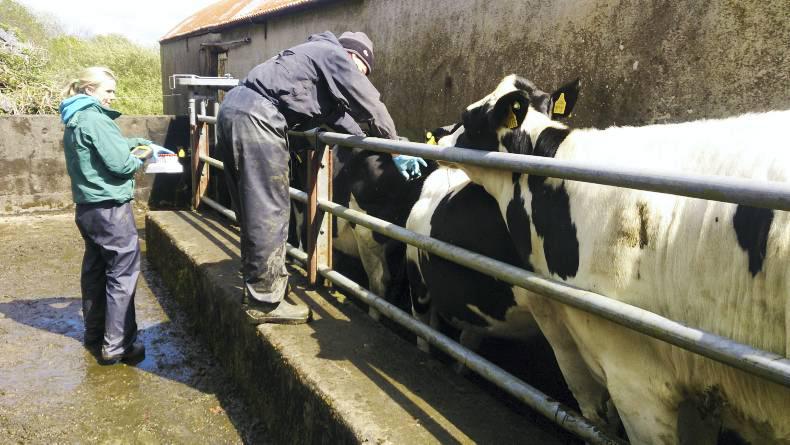
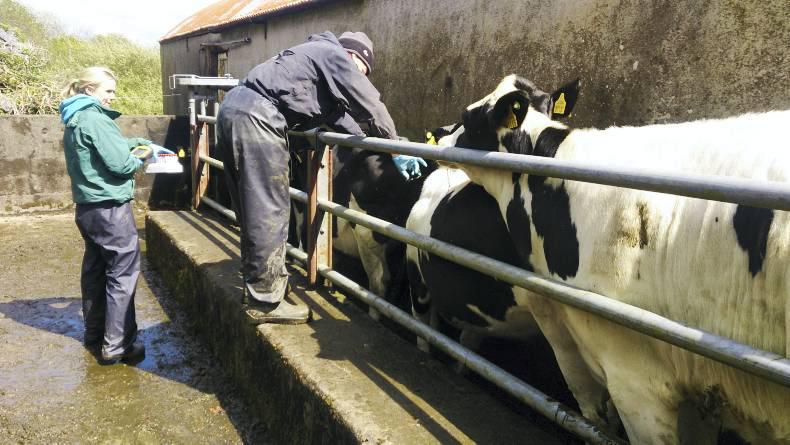
So much for scheduling - picking up was on Wednesday night and Thursday morning. The lads know the running of the place and I was able to concentrate on the TB test reading. The cows were put straight through the crush from the parlour to minimise stress on them.
Then it was on to the calves 5 ½ miles away in Dunworley and the older youngstock in Dunmanway 28 miles away. Fragmentation adds to the time involved but everything flowed as planned, including a full clear bill of health on TB at least. The Johnnes blood test taken on the first day will take a little longer for results to arrive.
This year’s silage pit is decidedly smaller than 2014’s rain delayed crop. The quality should be streets ahead and there is the added bonus that the second cut regrowths will be much faster. A recent discussion group topic worked out that bulking up the first cut to reduce contractor costs per ton would actually reduce total grass production over the 12 months.
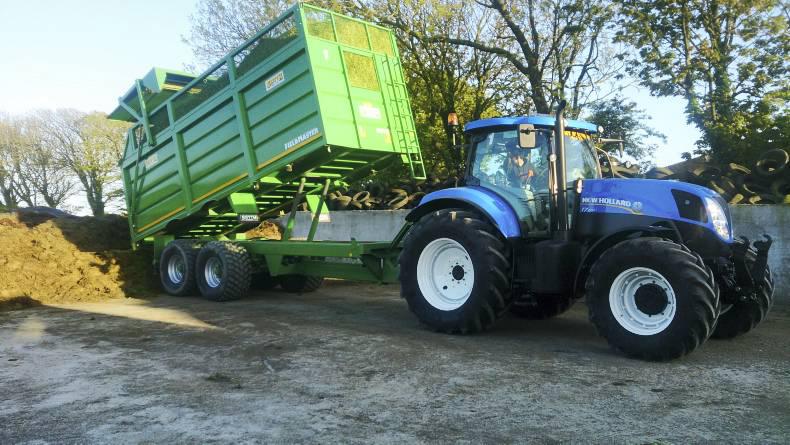
The extra bulk would also be at reduced quality, adding expense to winter milk. To preserve the valuable crop I used Sil-All 4x4 powder additive and didn’t spare the tyres weighing down the plastic. Tony O’Mahony’s brand new silage contracting gear won’t guarantee preservation without my input too.
It’s always a good idea to schedule bigger jobs so that they don’t clash. I just knew when I got the dates of 18 and 21 May for my herd test that it would probably affect the organising of the first cut silage. Around here May 22 is peak season so it was decided to mow the first evening of the test and pick up on the Tuesday.
I had limited the nitrogen to 90units/acre to give the flexibility to cut early, but it still looked very green. Sunday evening was bright and breezy with only showers forecast, so the start of the mowing was moved up. I had planned to mow around some of the electric fence divisions but three of us had to spend three hours gathering them.
Two bunches of my calves had been chased on the Friday night (Lampers? Stray dogs?), breaking down wires and scattering broken fencing posts through the crop. It wasn’t exactly my idea of fun but at least there were no injuries to the calves bar a few bumps and scratches.
Within half an hour of mowing starting, despite the forecast, blue skies had turned to heavy rain that lasted right through the night. I never worry about rain on a swath, especially when spread out, once it has been cut dry. It will still wilt. In fact the 16 acres were nice and crispy when the rest was finally mowed on Tuesday evening.
So much for scheduling - picking up was on Wednesday night and Thursday morning. The lads know the running of the place and I was able to concentrate on the TB test reading. The cows were put straight through the crush from the parlour to minimise stress on them.
Then it was on to the calves 5 ½ miles away in Dunworley and the older youngstock in Dunmanway 28 miles away. Fragmentation adds to the time involved but everything flowed as planned, including a full clear bill of health on TB at least. The Johnnes blood test taken on the first day will take a little longer for results to arrive.
This year’s silage pit is decidedly smaller than 2014’s rain delayed crop. The quality should be streets ahead and there is the added bonus that the second cut regrowths will be much faster. A recent discussion group topic worked out that bulking up the first cut to reduce contractor costs per ton would actually reduce total grass production over the 12 months.
The extra bulk would also be at reduced quality, adding expense to winter milk. To preserve the valuable crop I used Sil-All 4x4 powder additive and didn’t spare the tyres weighing down the plastic. Tony O’Mahony’s brand new silage contracting gear won’t guarantee preservation without my input too.






SHARING OPTIONS