



The most alarming item for me in last week’s Farmers Journal (read more here) was that on resistance to sheep wormers. We are creating more superworms.
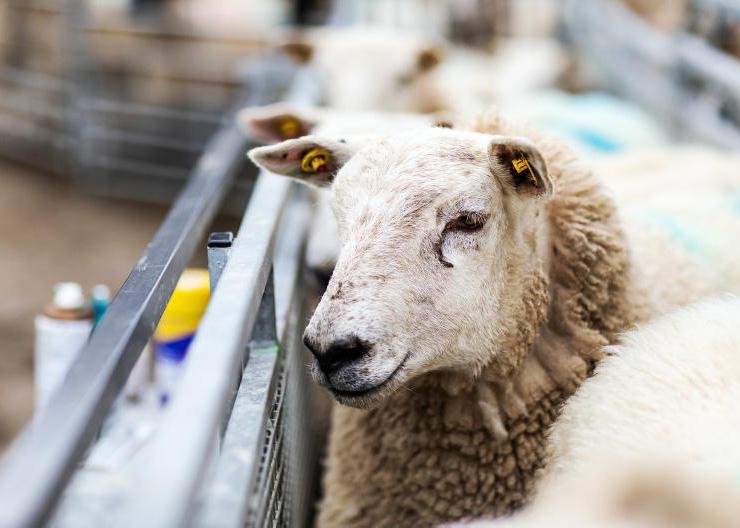
We all had heard that some wormer resistance had crept in. It was the extent of the resistance revealed in the IFJ feature which shocked me. Also alarming is the fact that the problem was identified across all wormer types. Failure rates were measured at a whopping 70% for the white wormers and 50% for the yellow or levamisole based wormers. Even the once highly potent clear or avermectin based products showed a 24% failure rate.
All of this was revealed from drench tests carried out almost 2000 flockowners taking part last year in the STAP (Sheep Technology Adoption Programme.)
The bright spot in this narrative is the arrival of new wormers.
In the fight against the worms the conveyor belt for new drugs delivered nothing for a stretch of over twenty years. Then, like the man waiting a long time for a bus, along comes two together
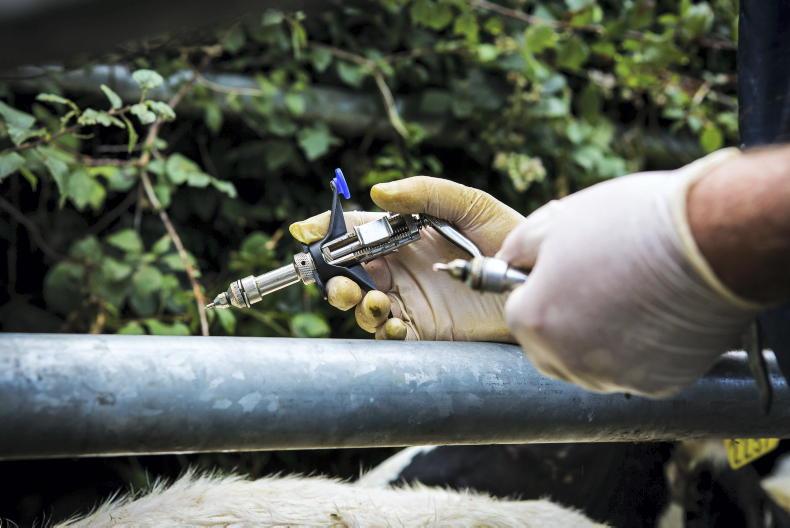
The first new anti worm drug for sheep was Monepantel. This is marketed by Novartis Animal Health under the brand Zolvix. Next Pfizer Animal Health launched another new sheep product Derquantel which will be included in the brand product *Startect. The absolute value of these products is that they have new modes of action and will kill all of the pasture worms in sheep that have become resistant to the drugs already on the market.
The arrival of the superworms has turned some of the traditional dosing advice on its head.
For decades sheep farmers have been reared on a diet of “drench your stock at prefixed dates and move them to a clean worm free pasture”. Now the new recommendation from an expert group in Teagasc/Department of Agriculture, is to drench your sheep only if they need it. When you must drench, ideally sheep should be held off pasture in a shed for a couple of days post drenching nd then moved onto a contaminated rather than a clean field.
The principle behind the new recommendation is “If the drenched sheep are shedding resistant worms, it’s preferable that these worms have competition from susceptible worms on a contaminated pasture rather give them a free run to multiply on a worm free pasture.”
The advice is to use the new wormers Zolvix and Startect sparingly and strategically.
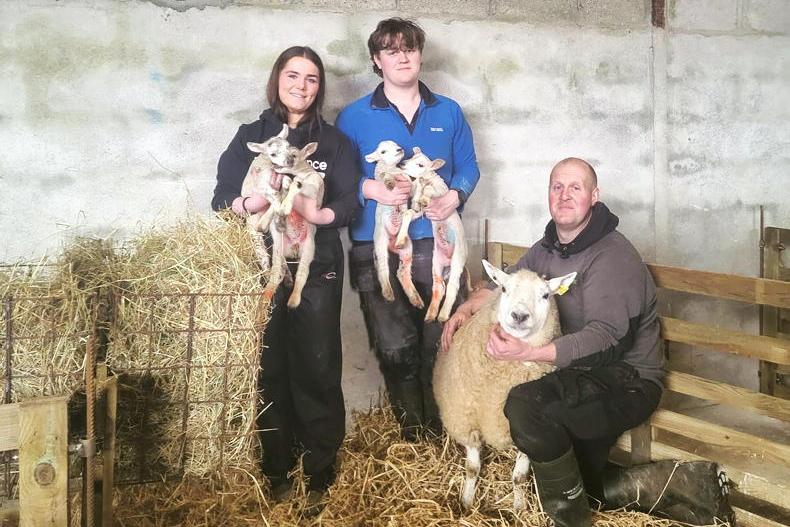
In my own case I try to avoid worming. Mature ewes are never dosed except for fluke. By practising mixed grazing of cattle with the sheep, the parasite challenge is way lower. Having tillage in the rotation means that you can have clean grazing for young lambs. Also if I can keep lambs thriving from the off, I would hope to get most of the spring lambs to the factory without any worming. More on this next week.



SHARING OPTIONS