


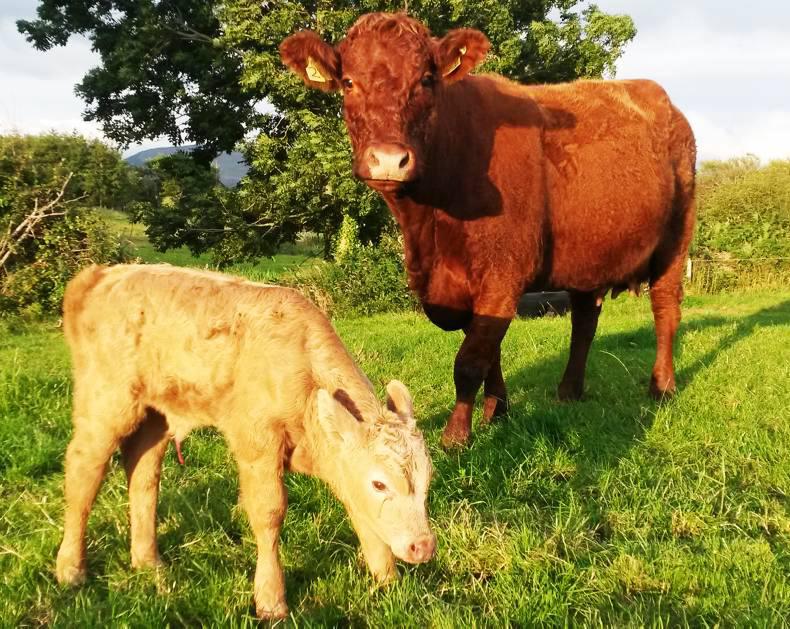
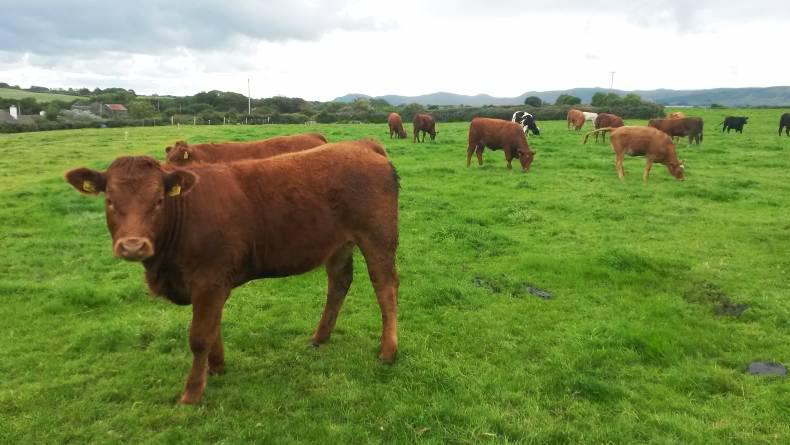
Figures published by Teagasc this week show that average suckler to weanling/store farms continue to show a net loss at farming activities before payments from the Department of Agriculture are included.
These figures are published on a per hectare basis and include 494 farms from across the country that completed profit monitors in 2014. The figures show a net loss of €72 as being the average net profit or loss, while the top one third of farms are showing an average net profit of €241.
So what are the top farmers doing so much better than the average farmers to turn a profit? From reviewing the figures, stocking rate is the main driver of output and subsequently profit per hectare.
I have been following and monitoring these results published by Teagasc over the last number of years and comparing my own farm’s performance against the figures published.
What other way is there for farmers around the country to benchmark their own performance against similar type farms, that is, without asking their neighbours what their stocking rate and net profit or loss per hectare is?
I recently had the chance to join the BETTER farmers on a technical day, visiting the Teagasc Newford herd in Athenry and take part in a farm walk on a dairy farm nearby.
The main focus of the farm walk was how to grow more grass. Grass, as the cheapest available feed, will drive output. Therefore, the more grass we can grow, the higher output we can achieve.
Listening to our host describe how to grow more grass and grow quality grass showed me I have a lot to learn in this area – from making sure you have the soil fertility correct, to nuggets of information like grass needing a wake-up call in the spring to start growing. Paddocks were grazed in 24 to 36 hours, while it is hoped to either top or harvest silage off every paddock once during the grazing season.
I certainly learned a lot from this farm walk and discussion, which shows the value of discussion groups. With new discussion groups currently being formed by advisers, I would recommend to anyone interested in increasing the profit of their farm to join a group.
The benefits include being able to benchmark your farm against similar farming systems in your area. Something that I noticed in groups is that it quickly becomes apparent the top performers in each group. These top performers are the ones producing the higher-than-average net profits and by being part of a group, it gives you the chance to see first-hand how this profit is achieved.




SHARING OPTIONS