


With all the talk of climate change and carbon footprints in Paris last week, I am glad to report that the lambs we’re sending off for slaughter are doing their bit to reduce global warming.
By going to a local butcher, our lambs will generate very little transport emissions on their final journey. Admittedly, they clocked up a few miles when we brought them from the mart - it being a 90km round-trip to the nearest sheep mart in New Ross - but at least we didn’t increase their carbon footprint by bringing them back to sell there again.
If it’s a 10km round-trip to the local butcher, then we’ve saved a grand total of 80km worth of carbon emissions. Right, that’s our bit for the planet done, but what about our bottom line, you might ask?
Cutting out the middle men
Well, supplying the butcher directly means there’s no middle men who have to be paid. The mart does a fine service and is the lifeblood of many farmers, so it’s entitled to cover its costs via commission (don’t mention the levies!).
The buyer at the mart this time of year for lambs would most likely be a factory agent. He too does a job and needs to be paid.
Dealing directly with the processor doesn’t mean you’ll receive what the above two would have got, but it does mean you have a little bit more leeway to achieve your margin. A working relationship with the local man also means there might be some give-and-take when it comes to carcases – he might pay you for 23kg when the factory might only pay you for 22kg.
At time of writing, lambs are making between €5.00 and €5.10/kg. You can do the maths yourself: that extra kilogramme the local man might give translates into an extra fiver per lamb.
As well as the petrol and carbon emissions saved, there’s also the time saved by having to travel less. The 90km road-trip mentioned above translates into half-a-day’s labour. For part-timers, this is the type of labour-saving that really matters.
Also, we’re inclined towards the whole sustainability thing in our house, so selling local means we’re in line with the farm-to-fork philosophy.
We’ll see in a few days how prices eventually went with the lambs. After that, it’ll be easier to decide whether we can continue to save the planet and make our target margins at the same time.
Final produce of the year
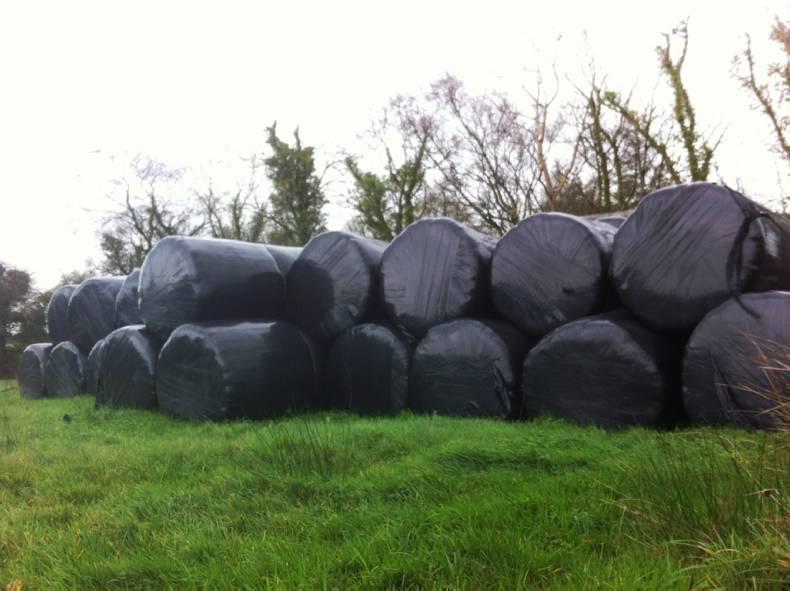
Next up for us will be finding a buyer for the 90 silage bales shown above. With the weather turning for the worse, many farmers seem to be reassessing downwards the amount of fodder they have. We’ll see in the next week or two if we can shift these locally too.
These bales will be the last produce we sell in 2015. It will then be time to review how our first year back farming has gone, and update the plans for 2016.
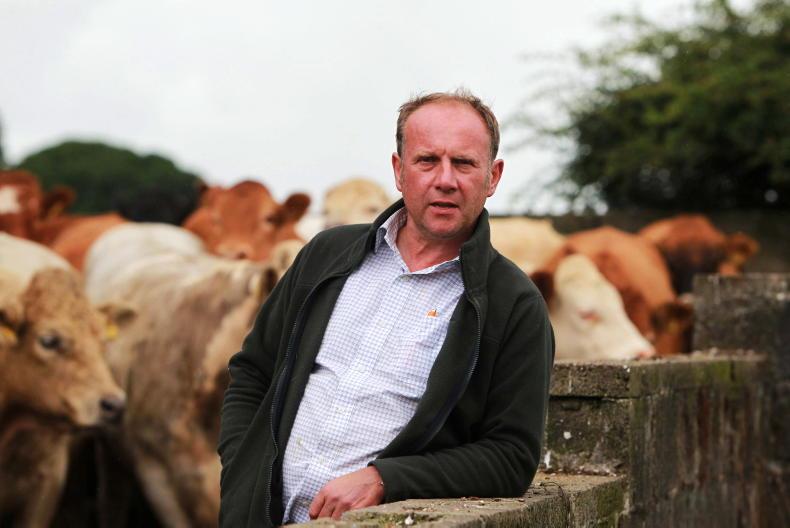
Kieran Sullivan and his brother farm part-time in Co Waterford. You can follow him on Twitter: @kieran_sullivan


SHARING OPTIONS