


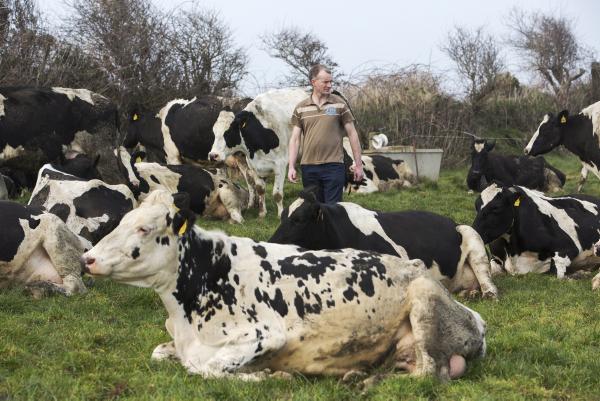
TB testing is always a worry. Every animal in the herd is logged into a handheld computer, has their skin measured and their neck hair clipped to mark two tiny injections. I almost feel like a helpless spectator, where I literally place the fate of my business in the hands of a vet.
That may sound dramatic but last May two of my cows tested positive for TB. There had been a very serious outbreak in the locality. Both farmers and the Department of Agriculture were worried about the effects in an area not known for disease problems.
The outbreak had spread rapidly along a corridor of woodland and glens from a clear-felled forest, so badgers were quickly identified as the link. The local department staff worked quickly to test contiguous herds and targeted wildlife control.
Thankfully it dwindled to a handful of cases and I thought I had escaped. Not to be. Word of the fresh outbreak spread quickly, with neighbours ringing and stopping me on the road to offer words of comfort. Their concern was genuinely appreciated; I know some of them had lost larger numbers.
For my farm business I was obviously disappointed to lose two pedigree cows, but at least there was a compensation package. However it’s the extras that really cost. A bull calf showing potential for AI breeding dropped from four to three figures. Silage ground had to be grazed by unsold weanling bulls and bullocks that I had thought would be more valuable in the mart with a “fresh test”. A few feeder cull cows went to a feedlot, depressing their value in a limited but welcome market.
Thankfully no more animals tested positive and I got the all clear last October allowing a clear-out of non-core stock before housing (the peninsula has also beaten TB). Despite the worry I try to make use of the herd test for herd management. Usually my vet only gets to see animals in distress with a difficult calving, sickness, injury, etc. This is an opportunity to examine animals individually, but more importantly to look at them in the context of their comrades. A fresh pair of trained eyes will spot any poor performers or if there’s a trend (good or bad). It’s a great time to discuss tactics and review health plans.
I always time vaccinations or dosing on reading day. For efficiency I try to reduce the number of handlings. It’s not just my time is at stake; productively it makes sense to have animals eating or ruminating - definitely not standing around a yard too often.
It also saves tax as doses or vaccines purchased on the test invoice incur a lower rate of VAT. Because this test was a six-month re-test and out of sequence (I usually test in late May) I used it to top up the blackleg vaccine on the young stock. The herd IBR and initial heifer salmonella shots will need another round-up day.
The cows are always tested first, straight from the parlour through the crush and back to grass. They don’t like hanging around after milking. I held the young spring calves in the house for convenience but all other stock had been moved to two outside grazing blocks.
The herd faces the whole thing again in six months but the bull faces a different test today. I had one non-performing bull last year so I’m taking no chances. Wish him luck!


SHARING OPTIONS